JHDD Interior Report — 2026.07.03
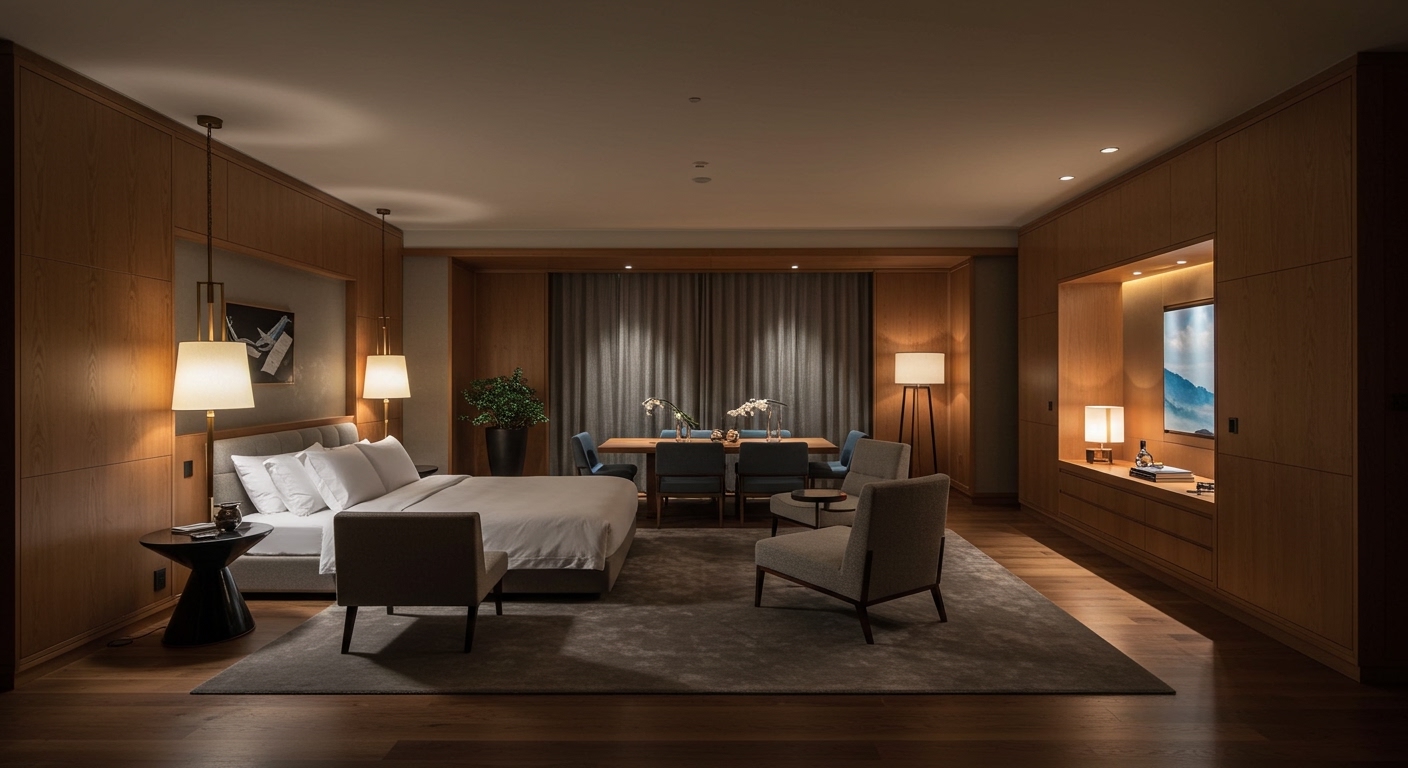
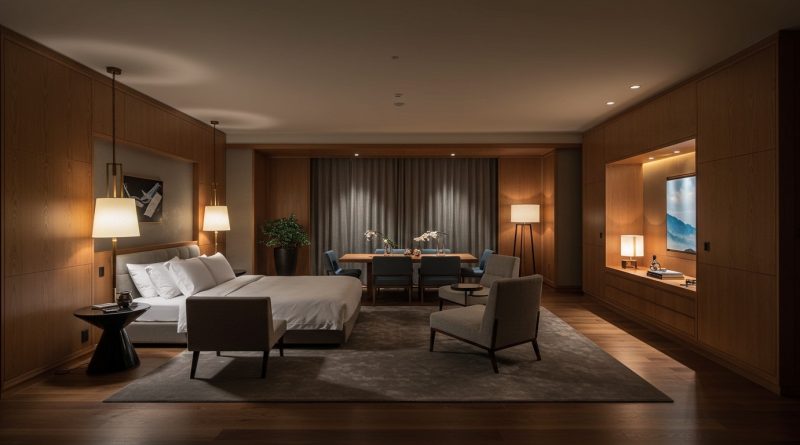
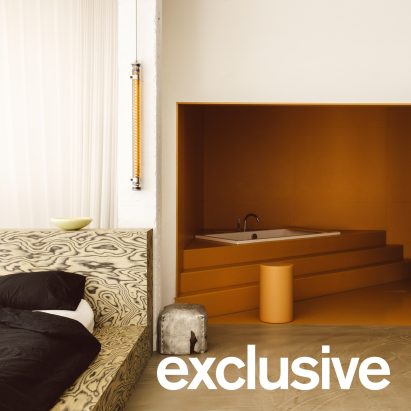
Keiji Ashizawa designed the Tomi Hotel Ginza to provide a singular suite on each of its ten floors, prioritizing intimacy over density.
This particular approach to hotel design exemplifies a wider current where previously distinct spatial typologies are merged, not merely for efficiency, but to imbue spaces with an unexpected emotional resonance. The blurring of domestic comfort with commercial function, or a nostalgic past with a contemporary use, creates a deliberate friction that redefines human expectation and flow through a space.
Keiji Ashizawa’s decision to craft the Tomi Hotel Ginza as though one were staying “at the home of a tasteful friend” directly challenges the conventional wisdom that boutique hospitality must either be overtly maximalist or minimalist to define its brand. While the industry frequently praises “flexible” and “multifunctional” spaces, the Tomi Hotel’s singular suite per floor and its deeply embedded domestic feel suggest a counter-trend. This is not about universal adaptability, but about intense, deliberate specificity. Its material choices and layout are curated to evoke a particular sense of welcome, which means they are, by design, not easily reconfigured for alternative uses.
This focused narrative for a commercial space creates a unique tactile quality where the user engages with the environment as a bespoke experience rather than a transient one. The design eschews the bland universality often associated with efficiency-driven hospitality, instead fostering a stronger emotional connection through curated intimacy. This critical attention to emotional granularity in spatial planning, rather than broad functional flexibility, will define successful luxury design by mid-2027.
The market’s continued demand for easily scalable, replicable models across commercial sectors, often driven by investor pressures for predictable returns and rapid deployment, directly opposes this nuanced, highly specific design approach. Standardized material palettes, modular systems, and ‘neutral’ aesthetics designed for wide appeal remain the default for many large-scale developments.
Interior professionals should consciously begin projects by first identifying the single most potent emotional quality they wish a space to evoke, prior to considering functional layout or material specifications. This involves translating abstract feelings directly into material choices, spatial tension, and intended human flow, rather than layering emotion on top of an already established functional plan.
TL;DR
Curated emotional experiences are now driving spatial design decisions.
Curated References

About this editorial — This piece was developed using AI-assisted research and curation across multiple industry sources. All analysis, opinions, and predictions represent the editorial perspective of JHDD. Sources are linked in the references section above.