JHDD Architecture Report — 2026.07.18
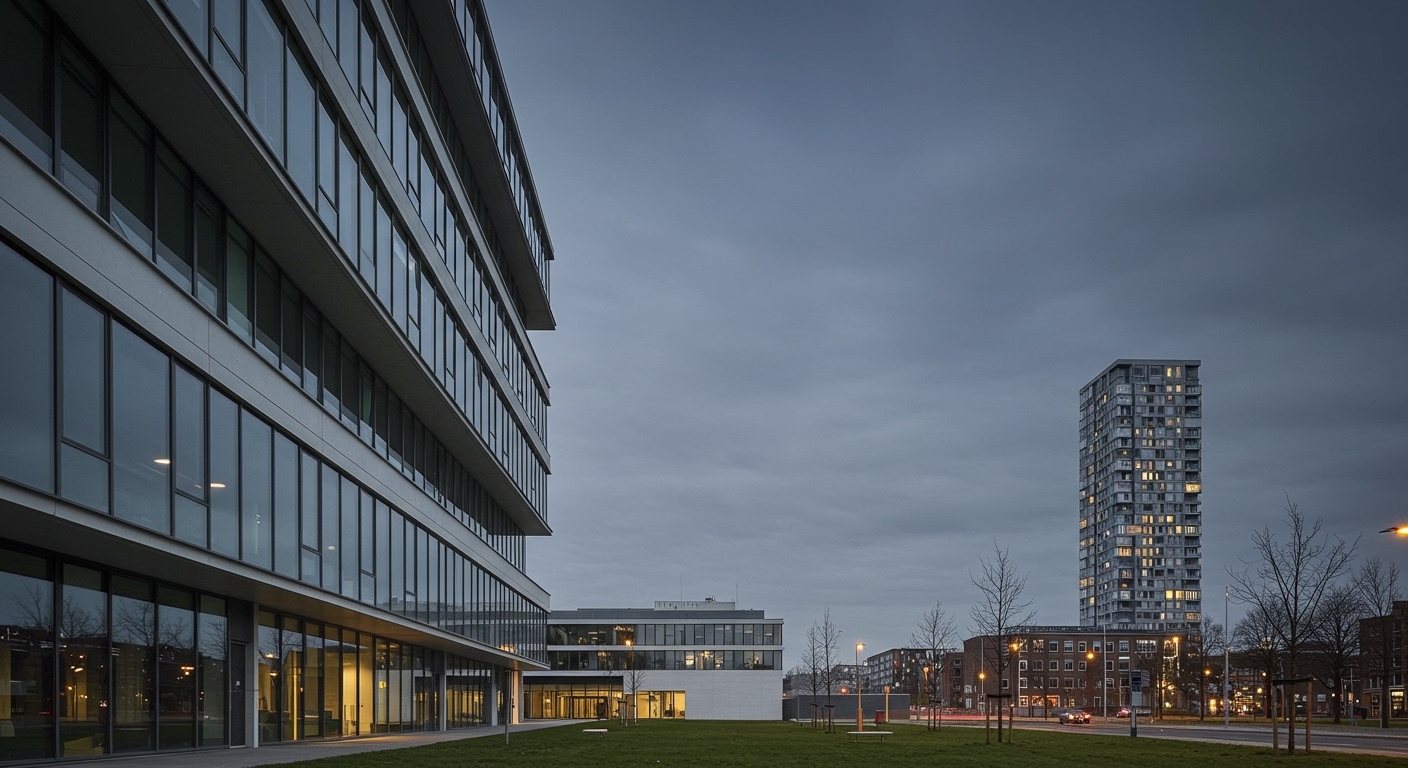
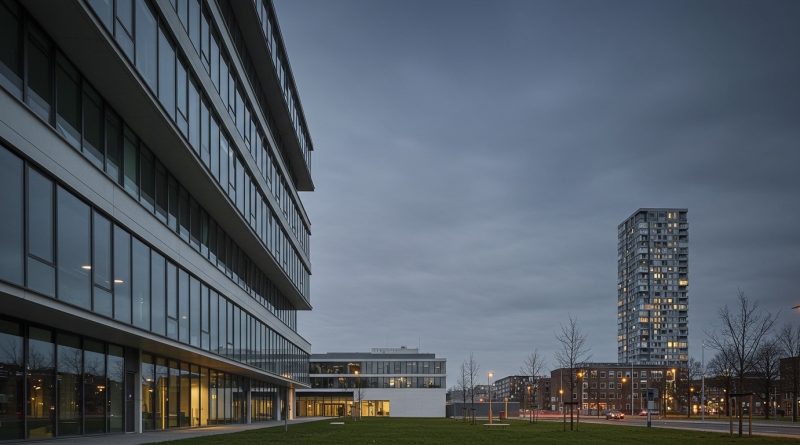
Ferro Offices, a project by GROUP A, transformed a 1969 industrial headquarters in Rotterdam into a future-proof multi-tenant workplace. This transformation exemplifies a growing, yet often unacknowledged, pattern within architecture: the shift from viewing buildings as static objects to understanding them as dynamic systems with inherent material lifecycles and urban consequences. The industry is quietly beginning to reconcile rapid technological advancement with fundamental, long-term responsibility for structural integrity and environmental impact, even as this imperative is harshly underlined by catastrophic failures.
The adaptive reuse of Ferro Offices by GROUP A for the Port of Rotterdam demonstrates proactive urban responsibility, reimagining former industrial port buildings as dynamic environments. This approach, integrating contemporary architecture and sustainable design strategies, inherently acknowledges the value in existing urban fabric and the embodied energy within its structures. Mainstream industry discourse often celebrates the novelty of material innovation or the aesthetic flourish of parametric design, as seen with ZHA’s 3D-printed Echo Chair made from recycled plastic. However, this focus on newness frequently overshadows the more critical, less glamorous work of understanding material degradation, long-term structural behavior, and the ethical responsibility inherent in maintaining built assets. The sustained attention required for material honesty and structural longevity extends far beyond a project’s initial completion.
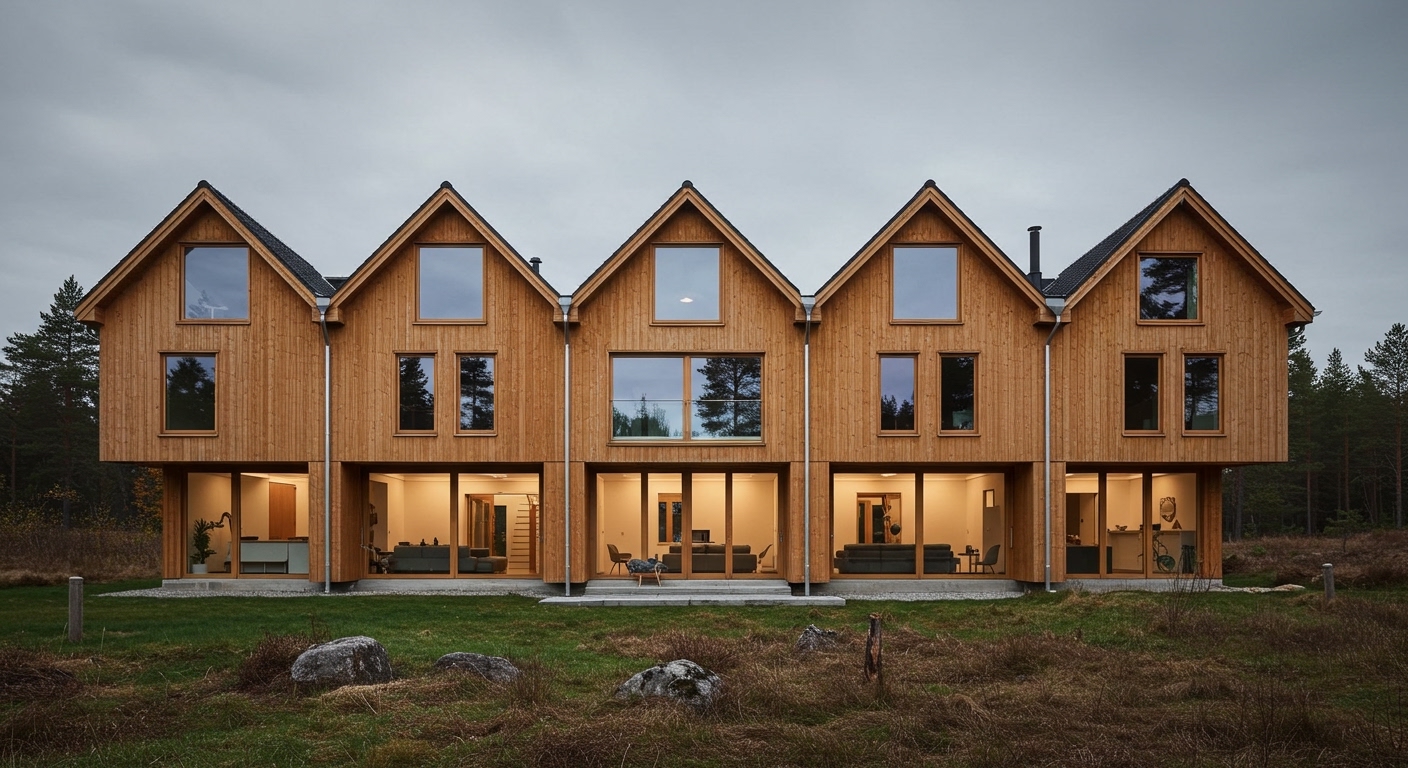
Giovanni Castellucci’s conviction for complicity in the Ponte Morandi collapse highlights the severe consequences of neglecting structural integrity and maintenance. The implicit trust placed in public infrastructure and the professional responsibility to uphold it are absolute. This legal accountability challenges the prevailing project delivery models that often prioritize immediate cost-efficiency and accelerated timelines over comprehensive lifecycle planning and robust structural oversight. By mid-2028, there will be a clear emergence of stricter regulatory frameworks in developed economies, mandating independent material integrity assessments and explicit maintenance liability clauses for all large-scale infrastructure and adaptive reuse projects beyond a certain age threshold.
The primary opposing force to this crucial shift is the entrenched short-term economic model within the construction and development sectors. This model fosters fragmented responsibilities, incentivizes minimal viable compliance rather than robust longevity, and frequently externalizes the true costs of material degradation and structural failure. The allure of new development also often bypasses the complex, yet critical, work of assessing and upgrading existing structures.
A working architecture professional must integrate explicit, documented material lifecycle assessments into every project proposal, particularly for adaptive reuse. This practice should include detailed specifications not only of initial materials but also anticipated degradation profiles, required maintenance schedules, and clear chains of accountability for structural health over the building’s projected lifespan. This moves beyond basic environmental product declarations to encompass the full ethical and practical dimension of material honesty.
TL;DR
Structural integrity and long-term material accountability must become the core principles for all architectural practice.
Curated References



About this editorial — This piece was developed using AI-assisted research and curation across multiple industry sources. All analysis, opinions, and predictions represent the editorial perspective of JHDD. Sources are linked in the references section above.