
JHDD UI UX Report — 2026.07.18

Jenny Wen, Anthropic’s head of design, claims that “the design process is dead,” a statement that continues to provoke industry discussion.
The recent discussions about AI’s role in design, from generating mockups to redefining workflows, reveal a persistent crisis of definition for the design discipline itself. These seemingly disparate conversations – whether AI replaces designers, how to manage design system integrity, or when to break technical rules – all converge on the question of design’s inherent value beyond superficial output. The underlying pattern is a collective grappling with what truly constitutes design expertise when the traditional “screen factory” model is under direct challenge.
The fear expressed by the Head of Design at a global restaurant technology platform, witnessing questions like “Can’t Figma AI just do that?”, highlights a misunderstanding of design’s core contribution. Mainstream industry opinion often frames AI as an automation tool that will incrementally improve existing processes or, conversely, as an existential threat to designers’ jobs. This view misses the point. AI does not inherently reduce the need for design; it primarily exposes the superficiality of design practices that were already focused on mere screen production. The actual challenge is not that AI is capable of generating interfaces, but that many design operations had already reduced their output to something so formulaic that AI could replicate it. The problem was never the machine, but the limited scope assigned to design in the first place.
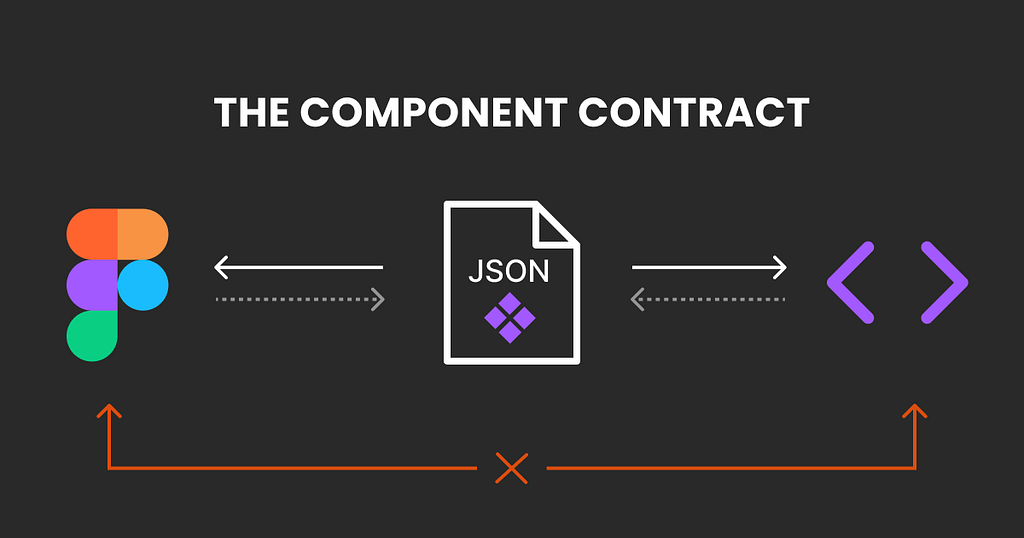
This perspective aligns with Nathan Curtis’s work describing design system components as plain data, advocating for a single source of truth independent of specific tools like Figma or code repositories. His approach recognizes that the integrity of a design system lies in its abstract definition, not in its manifestation within a particular software. This shifts the conversation from managing tool-specific synchronicity to defining foundational design structures. Within the next two years, enterprises embracing this data-centric view of design systems will significantly outpace those still battling file versioning issues between Figma and engineering repositories, leading to demonstrable improvements in product coherence and development velocity.
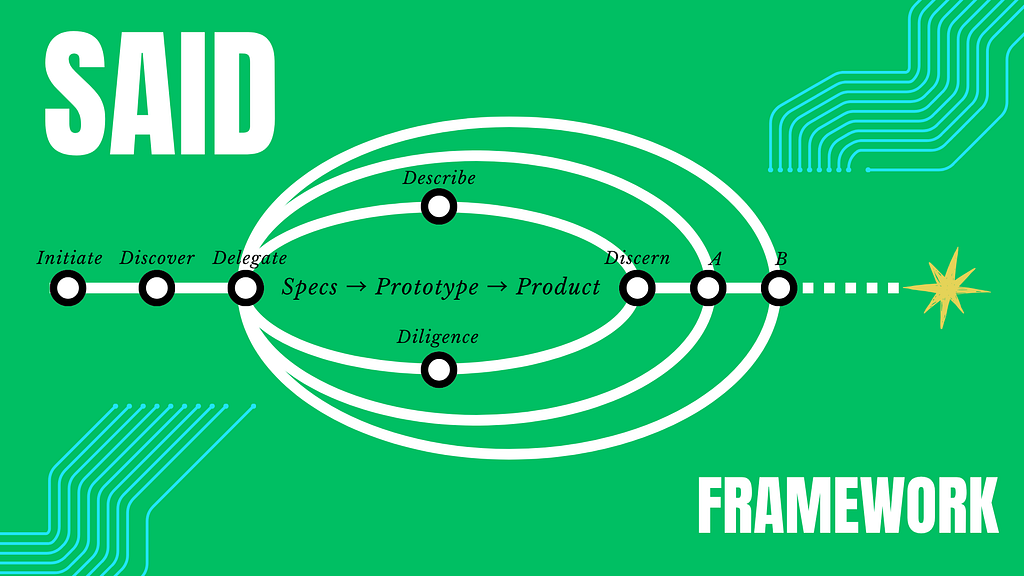
The most significant opposing force to this shift is not technological, but organizational inertia. Many established companies, even those claiming to be “design-led,” have deeply ingrained organizational structures and budgeting cycles that perpetuate the “screen factory” perception of design. They resist moving past sequential handoffs, as detailed in the SAID framework discussion, because it requires re-evaluating long-standing departmental responsibilities and power dynamics. The convenience of outsourcing screen generation to an AI is often more appealing than the difficult work of integrating design as a strategic partner from the initial phases of product definition.
A working UI UX professional should this week initiate a conversation with their engineering counterparts about defining design system components as abstract data models, separate from their visual and coded manifestations. This involves exploring how shared specifications, rather than tool-specific artifacts, can become the primary contract for design system elements, using principles similar to those Nathan Curtis advocates. This moves the focus from pixel perfection to systemic integrity.
TL;DR
AI is exposing superficial design practices, compelling designers to define core value as abstract data models and strategic insight rather than screen output.
Curated References


About this editorial — This piece was developed using AI-assisted research and curation across multiple industry sources. All analysis, opinions, and predictions represent the editorial perspective of JHDD. Sources are linked in the references section above.