JHDD 3D Modeling Report — 2026.07.03
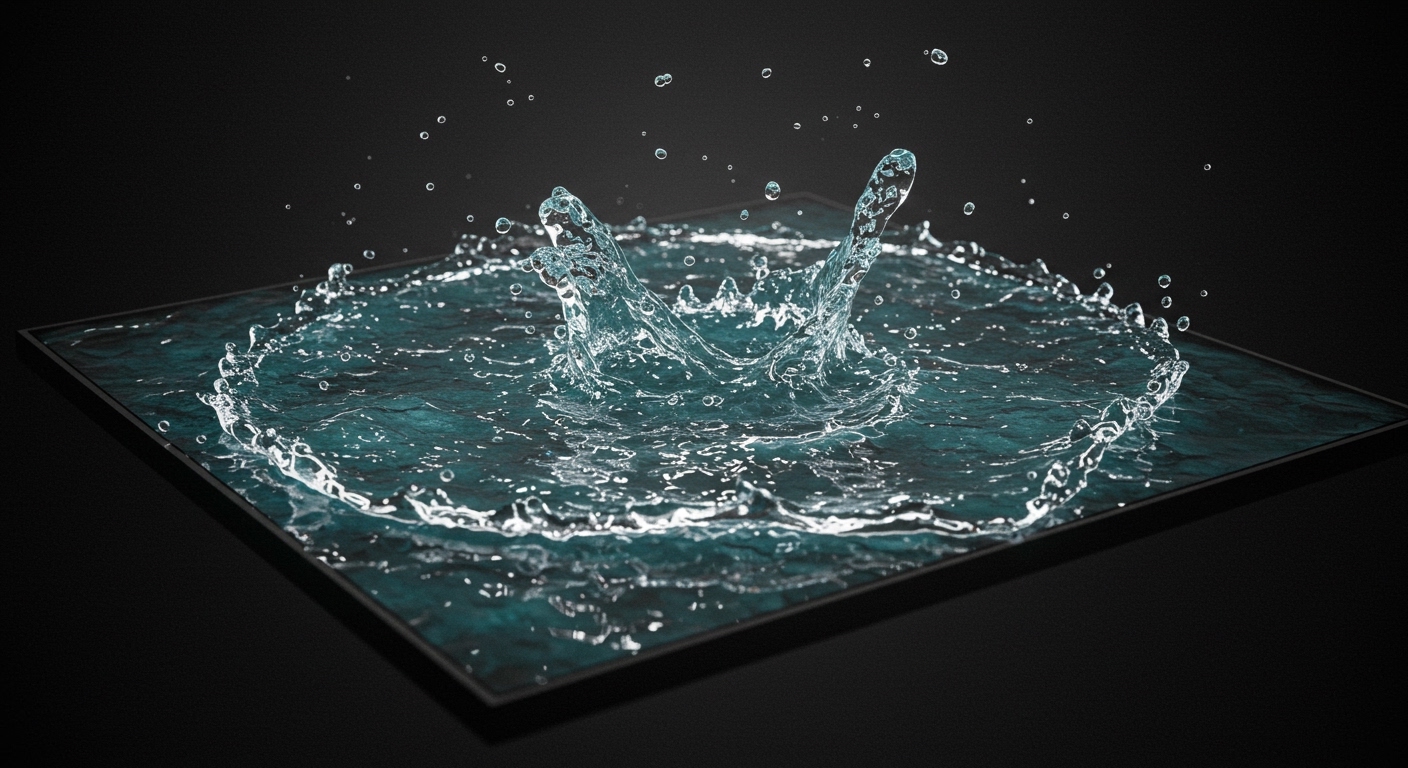
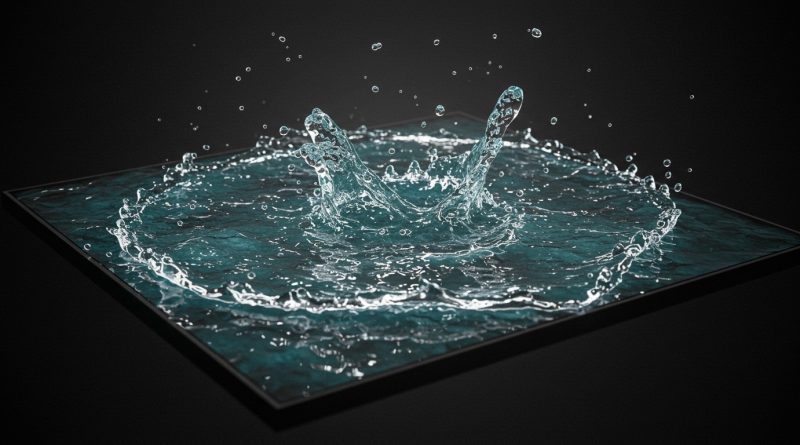
Jesse Pitela’s exploration of real-time water simulations using Niagara Fluids in Unreal Engine 5.8 exemplifies a critical shift in how digital realism is achieved and perceived.
The threads connecting recent advancements—from Juan Carlos CR’s detailed character rigging for Disney’s Tarzan and Sherif Dawoud’s realistic ZBrush sculpts to real-time fluid dynamics and comprehensive human asset libraries like polygoniq’s humaniq—reveal a pattern beyond individual tool mastery. The industry is moving from mere visual fidelity of isolated objects to the systemic believability of dynamic, interactive virtual spaces. This represents a drive towards coherent environmental realism, where elements react and interoperate within a defined system, often generated or influenced procedurally.
Conventional wisdom often equates hyper-realism with the meticulous hand-crafting of individual assets, pushing polygon counts and texture resolution to their absolute limits. This perspective, however, overlooks the deeper, more impactful realism derived from dynamic, responsive environments. Jesse Pitela’s work with Niagara Fluids in Unreal Engine 5.8 demonstrates that true hyper-realism in 2026 relies not just on how a wave looks in a static render, but on how it interacts with objects, reflects light, and dynamically alters the environment in real-time. This dynamic fidelity, powered by procedural generation, creates a sense of presence and interactivity that static perfection cannot match. Environments built solely on static, pre-rendered perfection appear impressive in a single frame but quickly reveal their artificiality under user interaction or varying lighting conditions. The subtle interplay of light across a rippling, algorithmically generated water surface, for instance, provides a layer of authenticity that pre-baked animations struggle to replicate across diverse virtual scenarios.
The true challenge and opportunity lie in building robust procedural frameworks that simulate environmental dynamics with convincing authenticity, extending beyond visual fidelity to behavioral fidelity. This approach allows for a vastly more efficient creation of complex, living scenes than traditional methods. The ability to procedurally generate not only the visual characteristics but also the dynamic properties of elements—such as how a crowd moves or how water flows and splashes—is transforming virtual space design. By mid-2027, the industry will see procedural generation tools not only creating static geometries and textures but also dynamically simulating complex physics, real-time lighting interactions, and even basic AI behaviors within virtual spaces. These tools will enable environments to feel genuinely alive and reactive without constant manual intervention, offering unprecedented creative control over emergent properties.
The most significant resistance to this shift comes from established pipelines and professionals entrenched in bespoke asset creation, where every stone, tree, or character is individually modeled and textured. This resistance is often rooted in a perceived higher artistic quality or unique character achievable only through manual sculpting and texturing, particularly for “hero” assets that demand extreme attention to detail. Additionally, the substantial investment in existing toolsets and the steep learning curve associated with mastering new procedural paradigms create inertia. Many studios also fear a loss of granular artistic control or believe that procedural outputs inherently lack the unique “soul” imparted by human hands. This attachment to purely manual methods can lead to bottlenecks, inconsistencies in dynamic behavior across large-scale projects, and ultimately, virtual environments that feel static despite their visual polish.
A 3D modeling professional seeking to remain relevant should dedicate time this week to understanding and implementing procedural generation within their workflow. This involves moving beyond solely refining single static models to actively exploring how assets can be generated, assembled, and animated systemically. Specifically, explore integrating real-time fluid dynamics systems like Unreal Engine’s Niagara Fluids to understand dynamic surface interactions, or experiment with procedural crowd generators such as polygoniq’s humaniq presets within Blender to grasp scalable population methods. This shift means learning to set up robust rules and parameters for asset generation and behavior, rather than focusing exclusively on manual polygon pushing or hand-painting every texture map.
TL;DR
The future of 3D realism is dynamic, procedural environments, not just static, hand-crafted assets.
Curated References
About this editorial — This piece was developed using AI-assisted research and curation across multiple industry sources. All analysis, opinions, and predictions represent the editorial perspective of JHDD. Sources are linked in the references section above.