JHDD Architecture Report — 2026.07.03
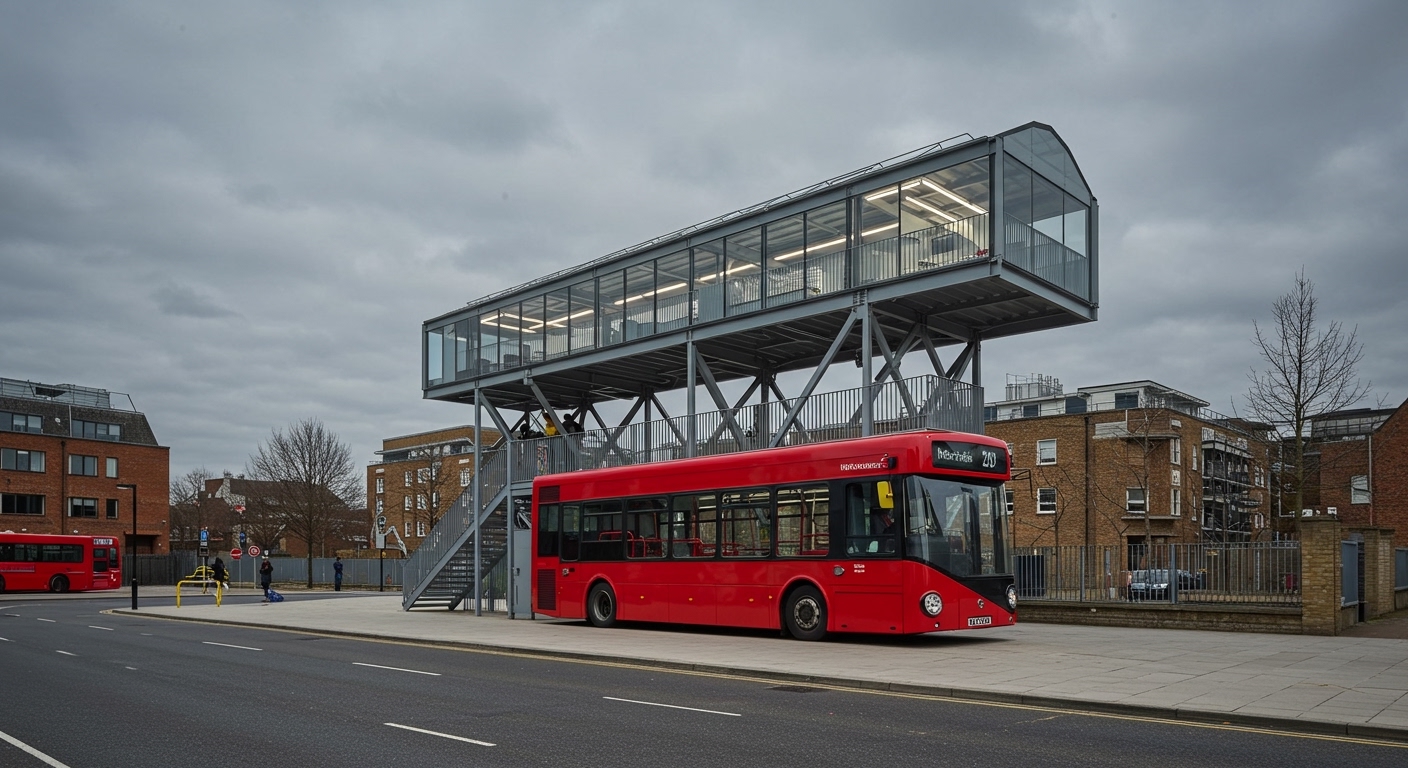
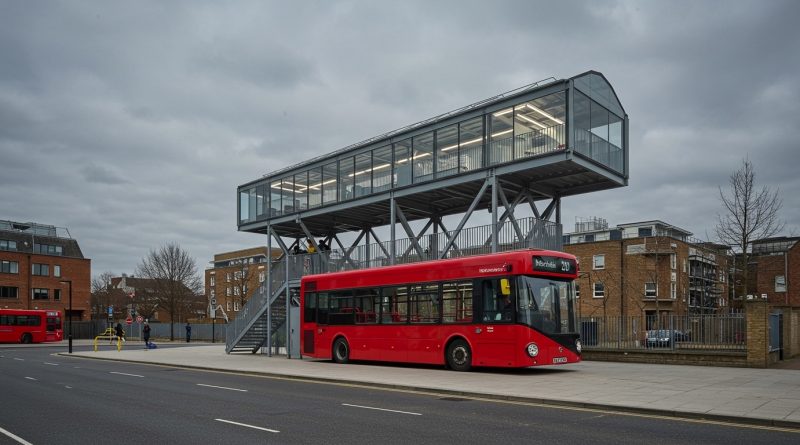
RUA Studio’s Playdeck concept, a repurposing of decommissioned New Routemaster buses into mobile playscapes, offers a tangible redirection for urban design.
Recent projects demonstrate a nuanced shift from solely building new structures towards the re-evaluation of existing urban fabric and material assets. From London’s transport infrastructure to a modernist school in Singapore, designers are identifying overlooked resources. This pattern signifies an emerging focus on embedded value and localized engagement, rather than large-scale, isolated interventions.
The Davidson Prize-winning Playdeck by RUA Studio exemplifies this re-evaluation by transforming decommissioned municipal assets into community infrastructure. This approach fundamentally challenges the prevailing industry narrative that views such items as waste, ready for disposal, or that public amenities must always be purpose-built from new. Playdeck proposes that the most responsible and innovative structural philosophy for urban environments often involves a profound engagement with what already exists, extracting new utility from components considered obsolete. The structural integrity and material value of these buses, for instance, are reimagined, providing immediate social benefit without incurring the full environmental load of new construction.
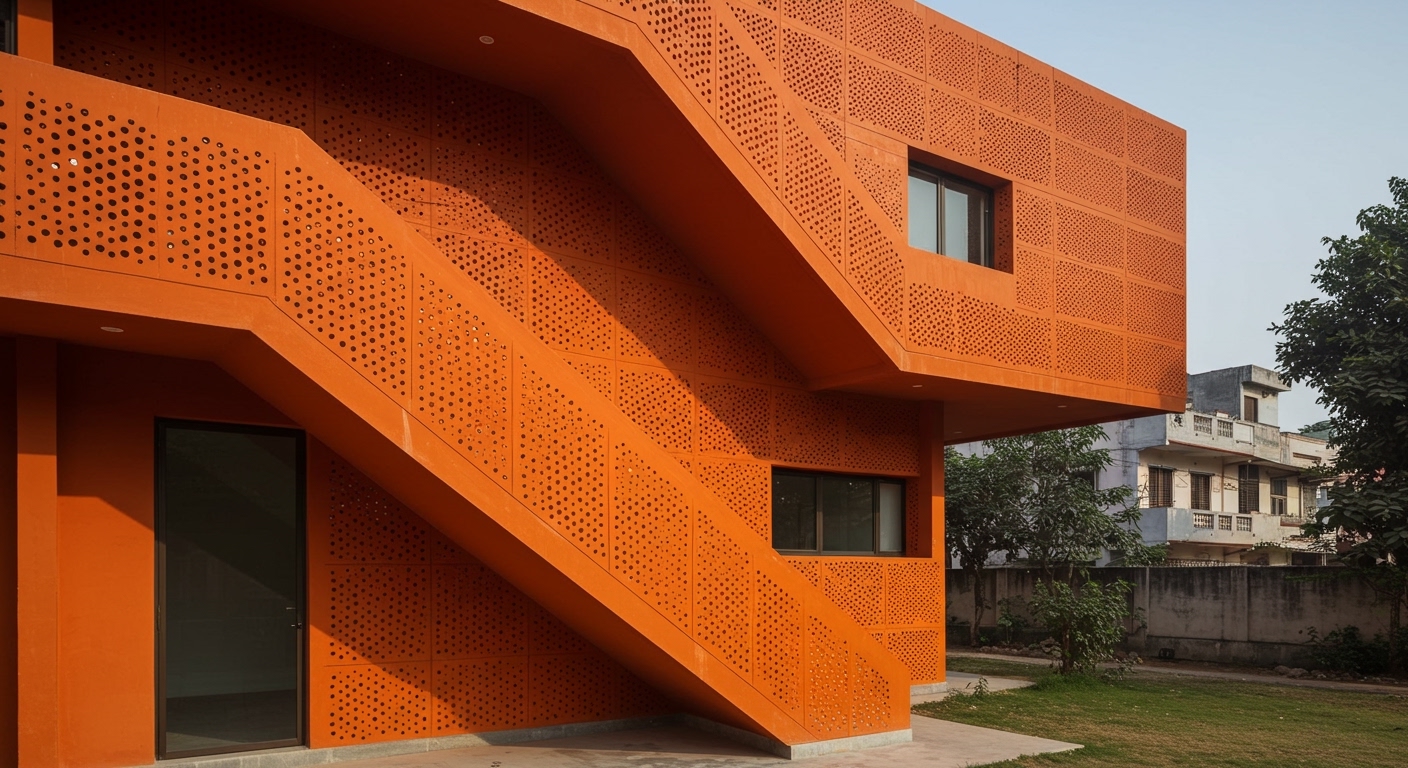
Mainstream industry opinion frequently prioritizes new materials and systems for their perceived efficiency or aesthetic control, often overlooking the embodied energy and societal cost of demolition and virgin material production. This pursuit of the novel can be a distraction. A more responsible path involves material innovation through thoughtful adaptation, as seen in the transformation of an old school into the New Bahru shopping centre, hosting Open Studio’s Dumpling Darlings. This is not merely about finding a new use for an old building; it is about leveraging the existing structural capacity and material character, acknowledging its history, and extending its productive life. Within two years, this strategic repurposing will become a standard metric in proposals for urban renewal projects across major European and Asian cities, moving beyond niche adaptive reuse into a primary mode of development.
The primary opposing force to this re-evaluative design philosophy is the entrenched economic model of speculative development, which often benefits most from tabula rasa approaches and the continuous cycle of demolition and new construction. This model is reinforced by regulatory frameworks and financial incentives that favor large, capital-intensive projects over smaller, adaptive, and community-embedded interventions. The “language of resilience” often articulated by city planners, as described in Logroño, frequently focuses on data collection for risk mitigation, which can inadvertently reinforce this top-down, new-build bias rather than fostering true material and civic circularity.
A working architecture professional should, within this week, initiate a material audit of a current project’s immediate urban context or site, identifying at least three specific local elements or existing structures that could be repurposed or integrated into the design. This audit should extend beyond the obvious, considering local waste streams, decommissioned public infrastructure, or underutilized building components. Instead of solely specifying new materials, professionals must actively explore how existing assets can serve as primary design elements.
TL;DR
The future of responsible urban architecture lies in a deep re-evaluation and creative repurposing of existing materials and structures, challenging the default toward new construction.
Curated References



About this editorial — This piece was developed using AI-assisted research and curation across multiple industry sources. All analysis, opinions, and predictions represent the editorial perspective of JHDD. Sources are linked in the references section above.