JHDD Architecture Report — 2026.06.22
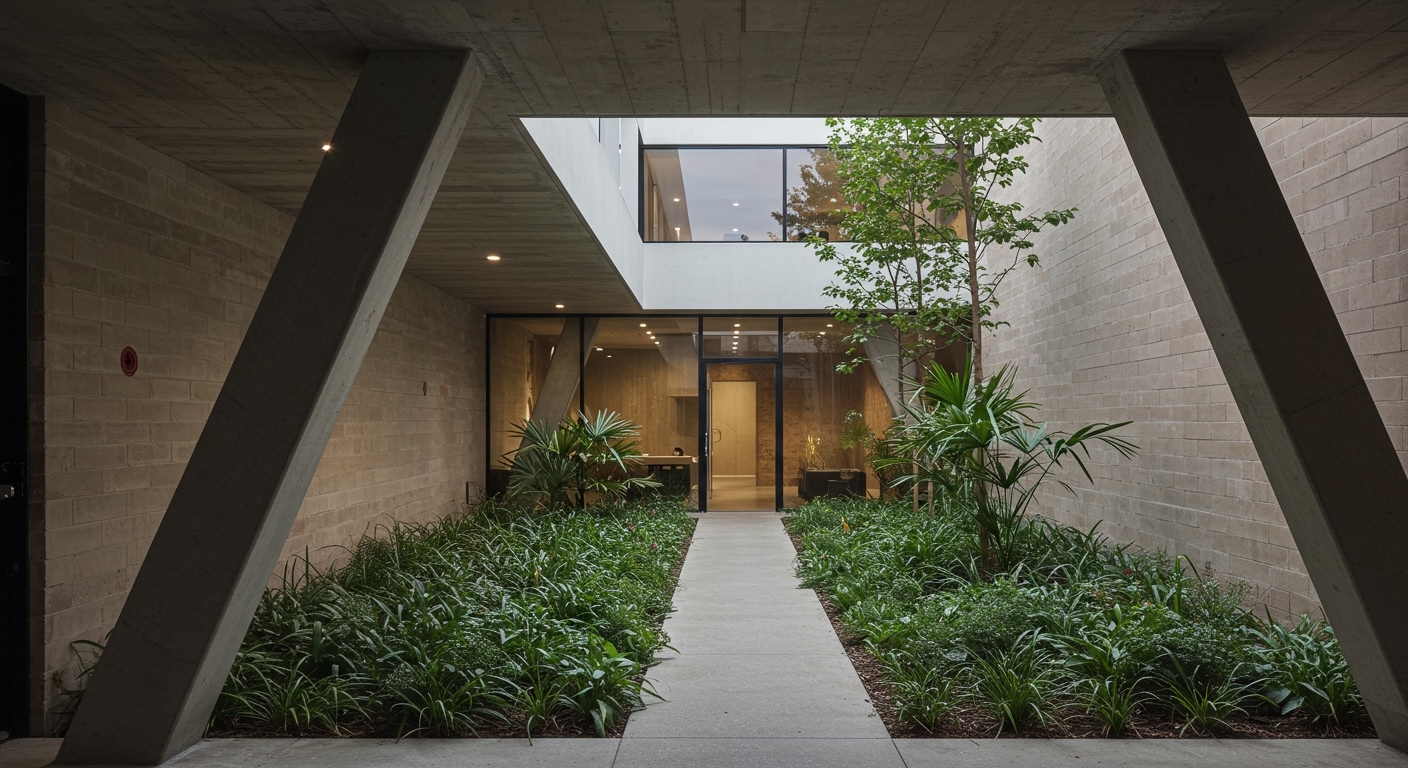
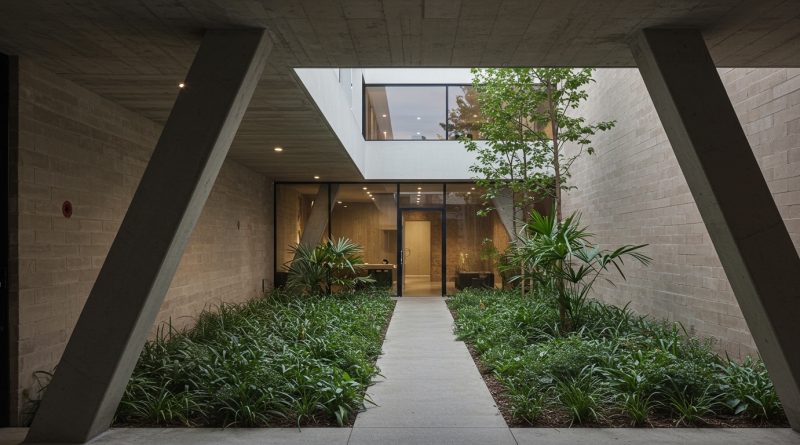
Kister Architects’ transformation of The Corner Shop in Melbourne features a lush internal courtyard entrance designed to bring greenery to the urban site. This project, alongside Dawid Konieczny’s compact Warsaw apartment and Metrics Architecture Studio’s Flat for One in Taiwan, reveals a consistent trend: architects are increasingly engaging with the specificity of existing urban conditions and internal spatial logic over outward display. These projects prioritize efficient use of space, material integrity, and a nuanced understanding of context, often repurposing structures or creating highly bespoke interiors rather than seeking new builds.
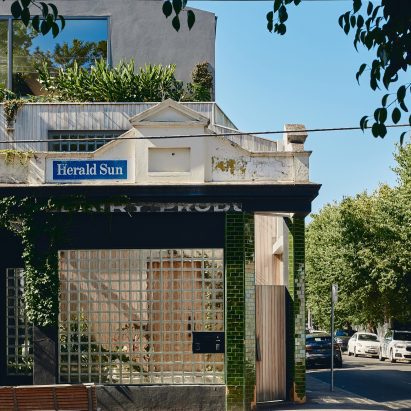
The work by Kister Architects exemplifies a critical stance on urban responsibility. By adapting a century-old former milk bar, the studio demonstrates how a building’s embodied energy and social history can be retained and enhanced. The internal courtyard is not merely an aesthetic choice; it is a strategic intervention that creates its own microclimate and connection to nature within a dense fabric, rather than relying on a distant, framed panorama. This approach challenges the prevailing industry focus on new construction as the primary solution for evolving urban needs, instead advocating for a deep engagement with existing material and structural legacies.
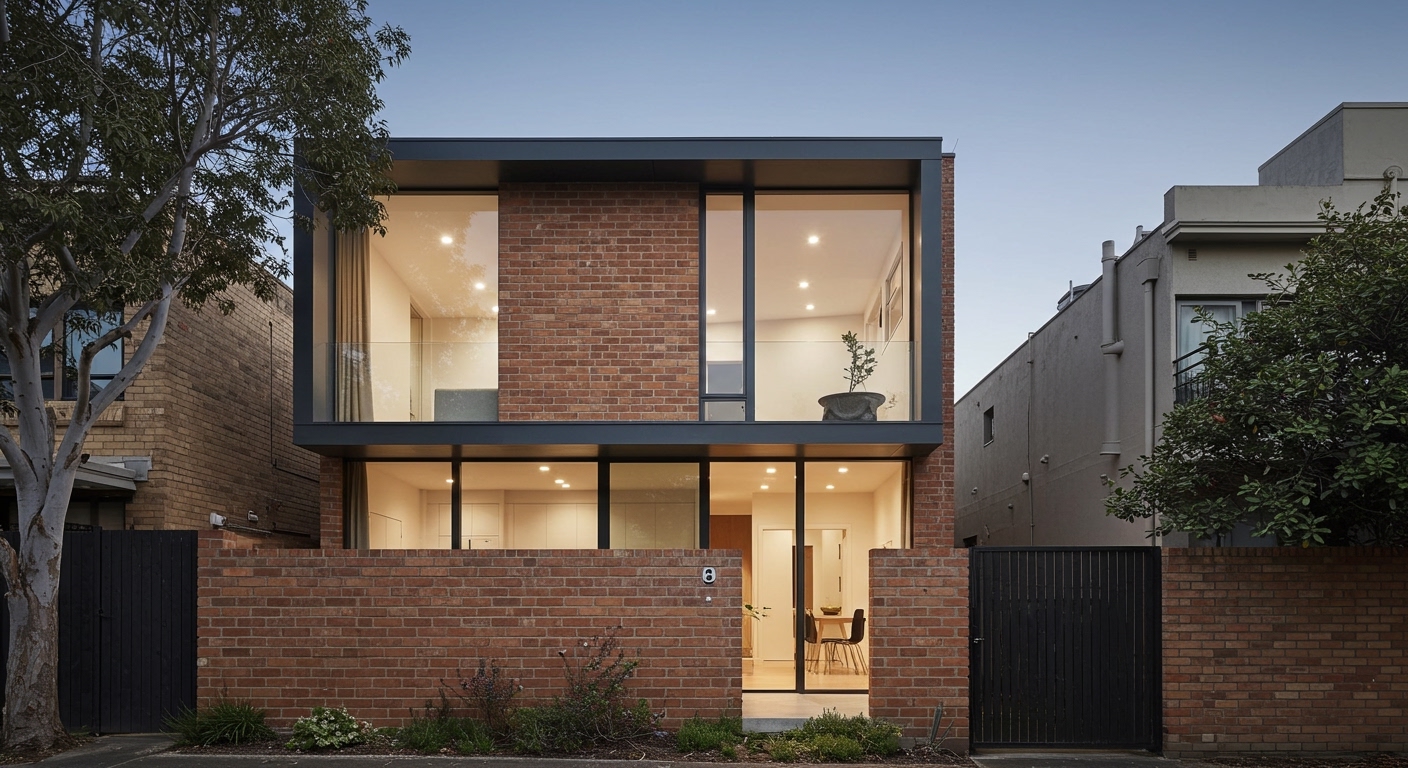
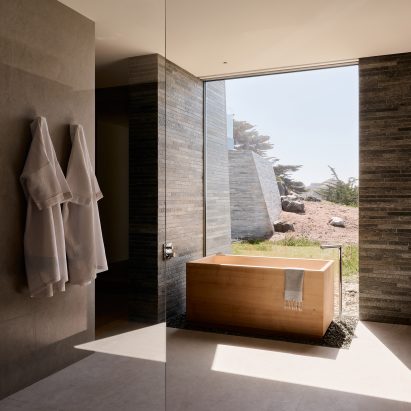
Mainstream architectural discourse frequently celebrates expansive, unmodulated fenestration that “frames views” as the epitome of luxury and connection to the environment, as suggested by features on homes with “scenic bathrooms.” This perspective often overlooks the material cost, thermal inefficiency, and the superficiality of a purely visual connection. A true and sustainable relationship with a building’s surroundings comes from a more holistic integration, considering ventilation, daylight quality, material provenance, and internal atmospheres, rather than solely a picture-postcard outlook. Designers must move past the assumption that environmental engagement begins and ends with maximum glass. By mid-2027, the market will recognize the economic and ecological limitations of excessive glazing, shifting towards climate-responsive envelope strategies that prioritize thermal performance and material honesty over uninterrupted vistas.
This architectural shift faces resistance from financial models and development practices that prioritize standardized, high-volume new construction. The perceived complexity and often unique challenges of adaptive reuse projects are often seen as less profitable or predictable than ground-up developments, which can more easily commodify newness and generic luxury. This economic pressure can hinder innovative approaches to urban infill and material retention.
A working architecture professional should, within the next month, undertake a comprehensive material and historical audit of at least one current project site, regardless of the client’s initial brief for new construction. This audit should identify viable existing structural elements, recoverable materials, and the embedded cultural narratives within the site’s history. This information should then be presented as a legitimate alternative or complementary strategy to pure new construction, fostering a dialogue about deeper sustainability and urban integration from the outset of a project.
TL;DR
Architects must prioritize intelligent adaptation of existing urban structures over new builds and superficial environmental gestures.
Curated References

About this editorial — This piece was developed using AI-assisted research and curation across multiple industry sources. All analysis, opinions, and predictions represent the editorial perspective of JHDD. Sources are linked in the references section above.