JHDD 3D Modeling Report — 2026.06.20
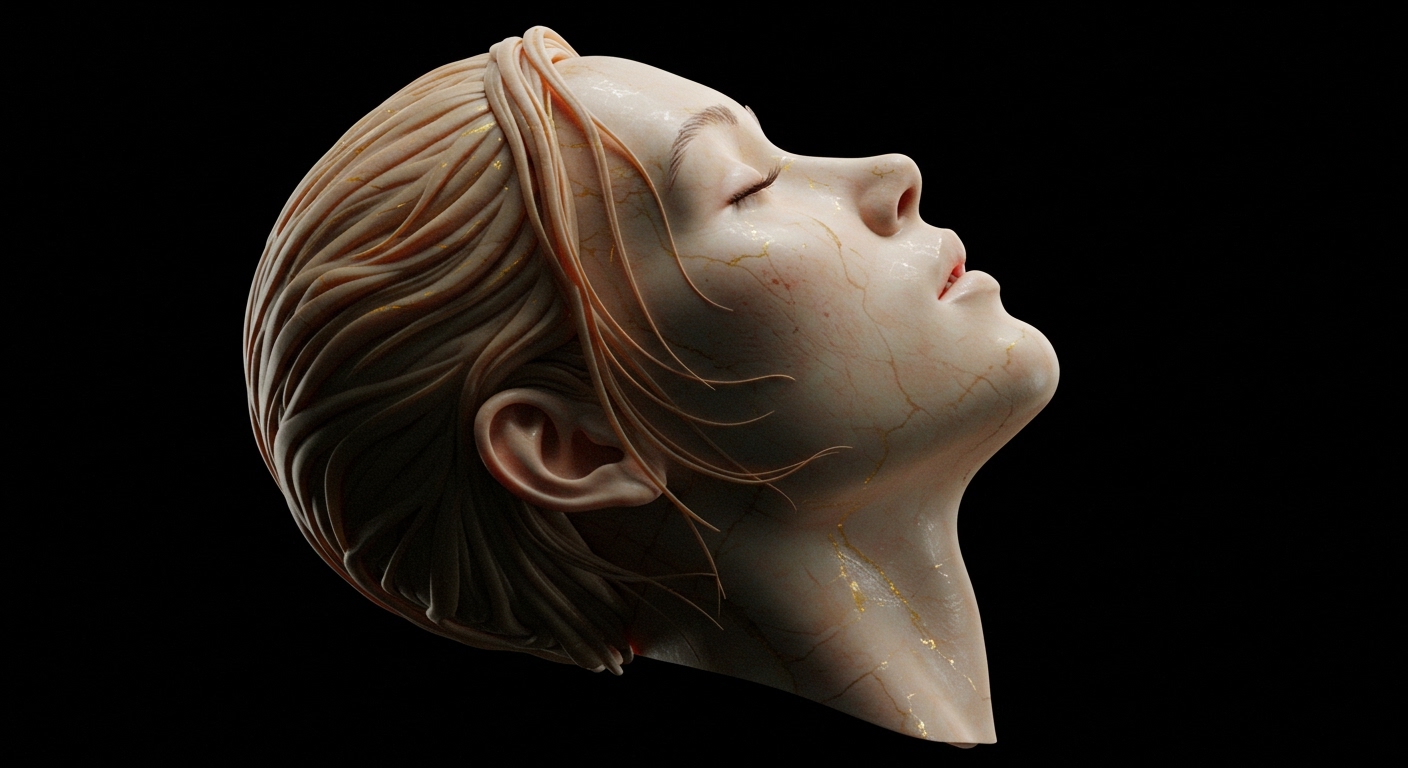
Zephyr Zhou’s Vernal Prayer project demonstrates a precise dedication to emotional expression through detailed 3D modeling, notably in the rendering of pearly earrings.
The disparate developments in animation tools like BGEN Picker and engine updates for Unreal Engine 5.8 reveal a shared trajectory: the pursuit of intricate, often hyper-real character fidelity is intensifying, even as the underlying technical complexity is increasingly managed by specialized software and procedural approaches. This indicates a growing expectation for digital entities to convey subtle emotional depth, rather than just accurate physical representation.
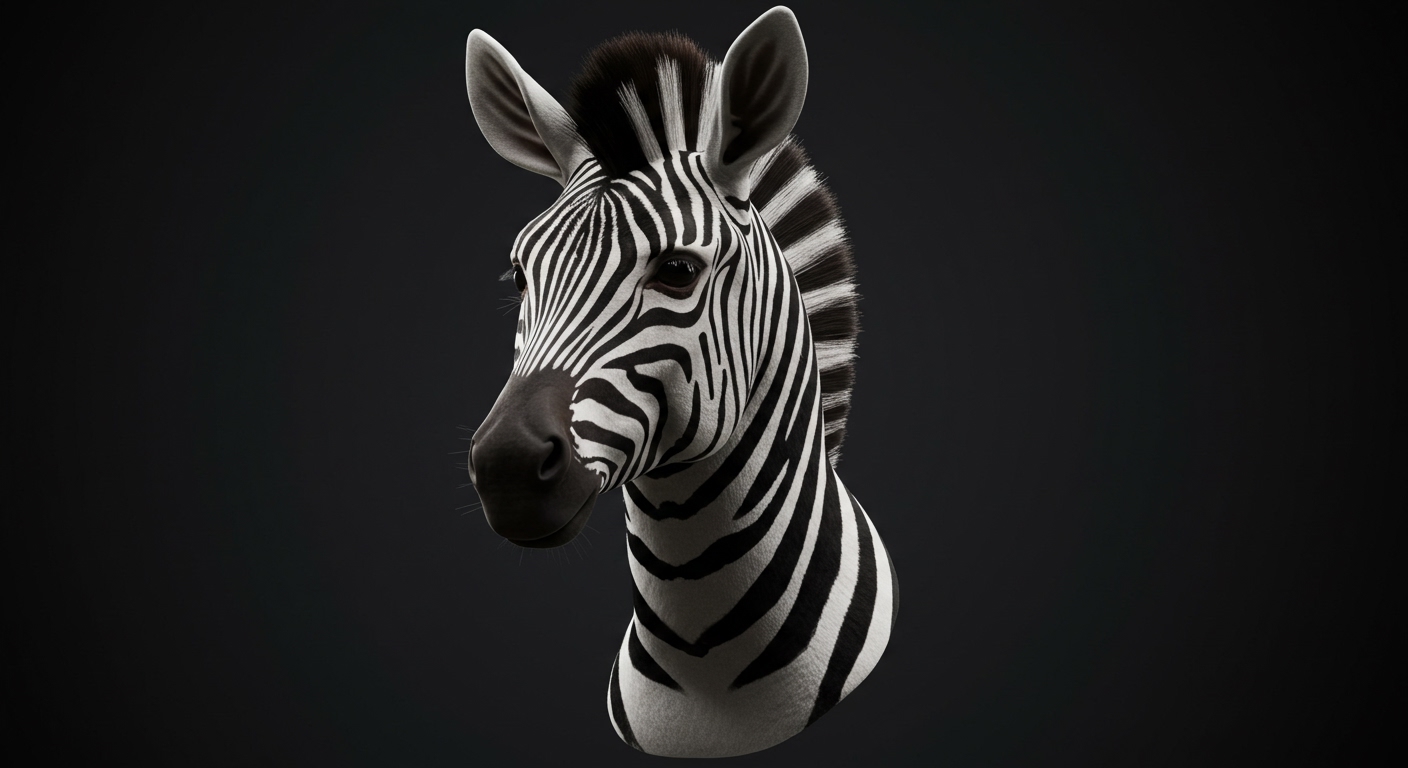
The work of Zephyr Zhou on the Vernal Prayer project illustrates this demand for emotional nuance, moving beyond mere photographic accuracy. While mainstream industry opinion often emphasizes the drive toward entirely procedural or AI-driven asset generation to achieve realism, this perspective misses a critical point. The development of tools such as the Ultimate Animation Picker for Blender and Maya, or the specialized face rig capabilities in Unreal Engine 5.8 for the Zebra Character Sample, indicates not a diminishing role for human artistry, but a shifting one. These tools do not automate the artistic decision-making required to make a girl character “delicate and emotionally expressive”; rather, they abstract the technical burden, enabling artists to focus more intensely on subtle details of performance and material properties. The true frontier of hyper-realism is not just rendering objects accurately, but imbuing them with believable, emotive presence.
The conventional wisdom suggests that sophisticated procedural systems will eventually replace the need for granular artistic input in achieving hyper-realism. This view is incomplete. Instead, the current trajectory suggests these systems act as advanced artistic prosthetics, empowering human designers to manipulate micro-details of animation, texture, and lighting with unprecedented precision. The ability of Unity’s Render Wireframe Effects Shader to use real topology, for instance, underlines a foundational commitment to authenticity at the core of advanced rendering, not just surface-level appearance. By late 2027, the industry will witness a significant divergence in pipelines: those leveraging these advanced toolsets for bespoke, emotionally resonant digital creations will pull ahead, while those relying on generic, purely procedural outputs will struggle to meet rising audience expectations for subtle realism and unique artistic voice in virtual spaces.
The primary force resisting this focused pursuit of nuanced, artist-driven hyper-realism is the prevailing pressure for rapid asset production and project turnover, often prioritizing quantity over intricate quality. This translates into a reliance on generic stock assets and templated procedural generation, which, while efficient, frequently sacrifices the subtle, bespoke details that distinguish truly compelling hyper-real digital experiences. The economics of quick content creation often overshadow the meticulous, iterative work exemplified by projects like Vernal Prayer.
A working 3D Modeling professional should immediately commit to deeply learning the advanced rigging and animation features within their primary DCC software (Blender or Maya) and game engine (Unreal Engine). Specifically, experiment with creating custom animation pickers using BGEN Picker to understand how micro-adjustments to facial expressions and body language translate into emotional impact, rather than relying solely on default or pre-made animation sets. This direct engagement with the tools for fine-tuning emotive performance will prove invaluable.
TL;DR
Advanced tools for hyper-realism increase the artistic demand for subtle emotional detail, not decrease it.
Curated References
About this editorial — This piece was developed using AI-assisted research and curation across multiple industry sources. All analysis, opinions, and predictions represent the editorial perspective of JHDD. Sources are linked in the references section above.