
JHDD UI UX Report — 2026.06.20
Microsoft recently appointed its first-ever Chief Design Officer.
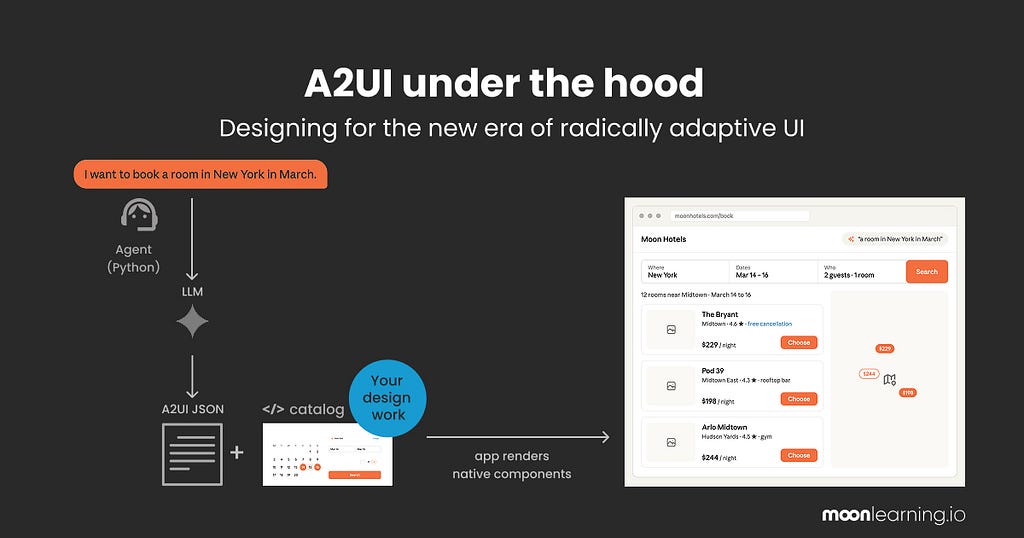
This high-profile strategic move, alongside similar appointments at Shopify and Samsung, aligns with the quiet emergence of concepts like A2UI for radically adaptive user interfaces. These seemingly disparate developments signal a profound shift: design is moving from static interface creation to architecting dynamic, context-aware systems. This demands designers define the rules and constraints for interfaces that adapt to individual users in real-time, moving beyond single-screen or single-flow design.

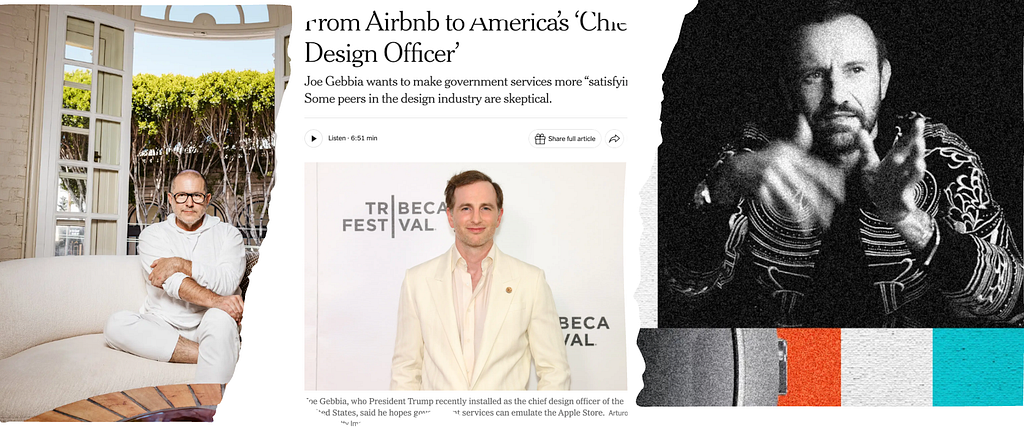
The mainstream industry view often interprets these Chief Design Officer appointments as a pure recognition of design’s inherent power and its rise to a strategic function. However, the elevation of design leadership, exemplified by Samsung hiring Mauro Porcini, might stem less from a celebratory acknowledgment of design’s traditional value and more from a pragmatic necessity to manage the escalating complexity introduced by AI-driven systems. Porcini, with his track record of establishing CDO roles at both 3M and PepsiCo, brings a proven systems-level approach. His mandate is likely to impose coherence, governance, and a unified interaction pattern language over increasingly dynamic and generative digital experiences, rather than simply elevating traditional aesthetic or usability concerns. This perspective contradicts the conventional narrative that design’s increased prominence is solely due to its long-overdue appreciation, suggesting a more defensive, structuring role in an evolving landscape.
This shift means design leaders must orchestrate sophisticated design systems capable of governing radically adaptive outputs, as hinted by the principles behind A2UI. The danger lies in uncritically embracing “radically adaptive UI” as a complete replacement for thoughtful human-centered interaction design, risking fragmented or even untrustworthy experiences, a concern echoed by the sentiment that “we used to know that it was a person who wrote it.” Instead, the strategic role of design is to ensure that these adaptable systems maintain consistency, accessibility, and a coherent brand voice across countless variations. It also means establishing clear boundaries for AI’s adaptiveness to prevent user fatigue or privacy infringements. By mid-2027, companies that excel in design leadership will distinguish themselves not by the sheer volume of AI-generated interfaces, but by the robust, ethically informed design systems and interaction patterns that govern these adaptive UIs, ensuring transparency, user agency, and a predictable foundation within dynamic experiences.
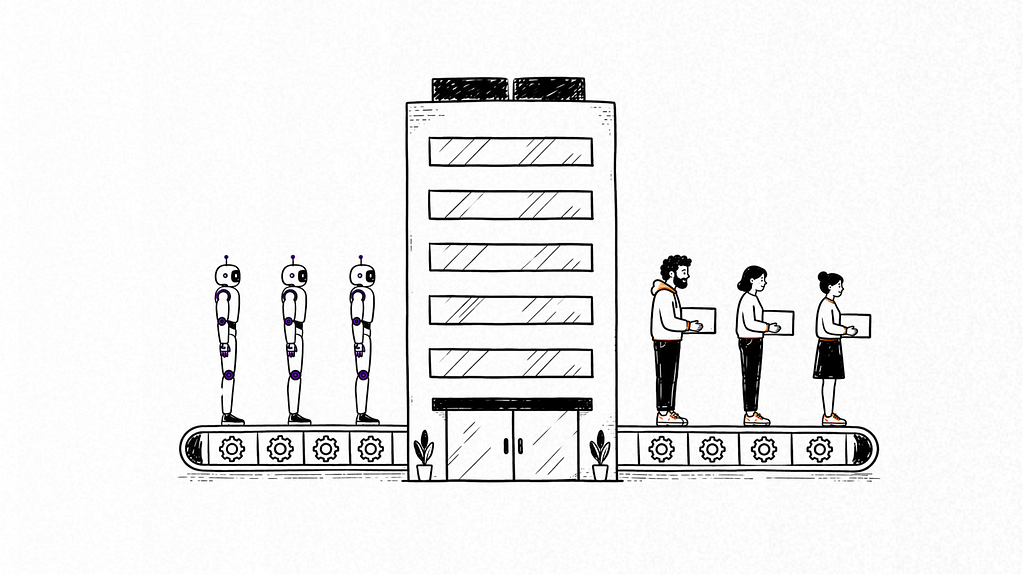
The persistent “doomsday line” from business leaders, focused on AI replacing workers and driving “leaner teams,” represents a significant opposing force to this strategic investment. These leaders, often buoyed by substantial capital expenditure in data centers, prioritize superficial efficiency gains and cost reduction. Their confidence in AI’s ability to automate design without human oversight risks undermining the deep, systemic design thinking required for truly adaptive and trustworthy AI-powered experiences, ultimately resisting the long-term value that elevated design leadership aims to cultivate.
A working UI/UX professional should proactively shift their contribution from designing individual screens or flows to actively defining the grammar, behavioral rules, and constraints for generative UI systems within their organization. This week, start by documenting micro-interaction patterns and component variations not merely as static visual libraries, but as explicit behavioral specifications for how elements should adapt and respond in different contexts. This prepares designers to shape the logic of adaptive interfaces at a foundational level, ensuring human intent, accessibility, and ethical considerations are embedded from the outset, rather than attempting to retrofit them onto AI outputs.
TL;DR
The strategic elevation of design leadership is a response to the complexity of adaptive AI interfaces, demanding designers define system rules rather than just screens.
Curated References


About this editorial — This piece was developed using AI-assisted research and curation across multiple industry sources. All analysis, opinions, and predictions represent the editorial perspective of JHDD. Sources are linked in the references section above.