JHDD Interior Report — 2026.06.20
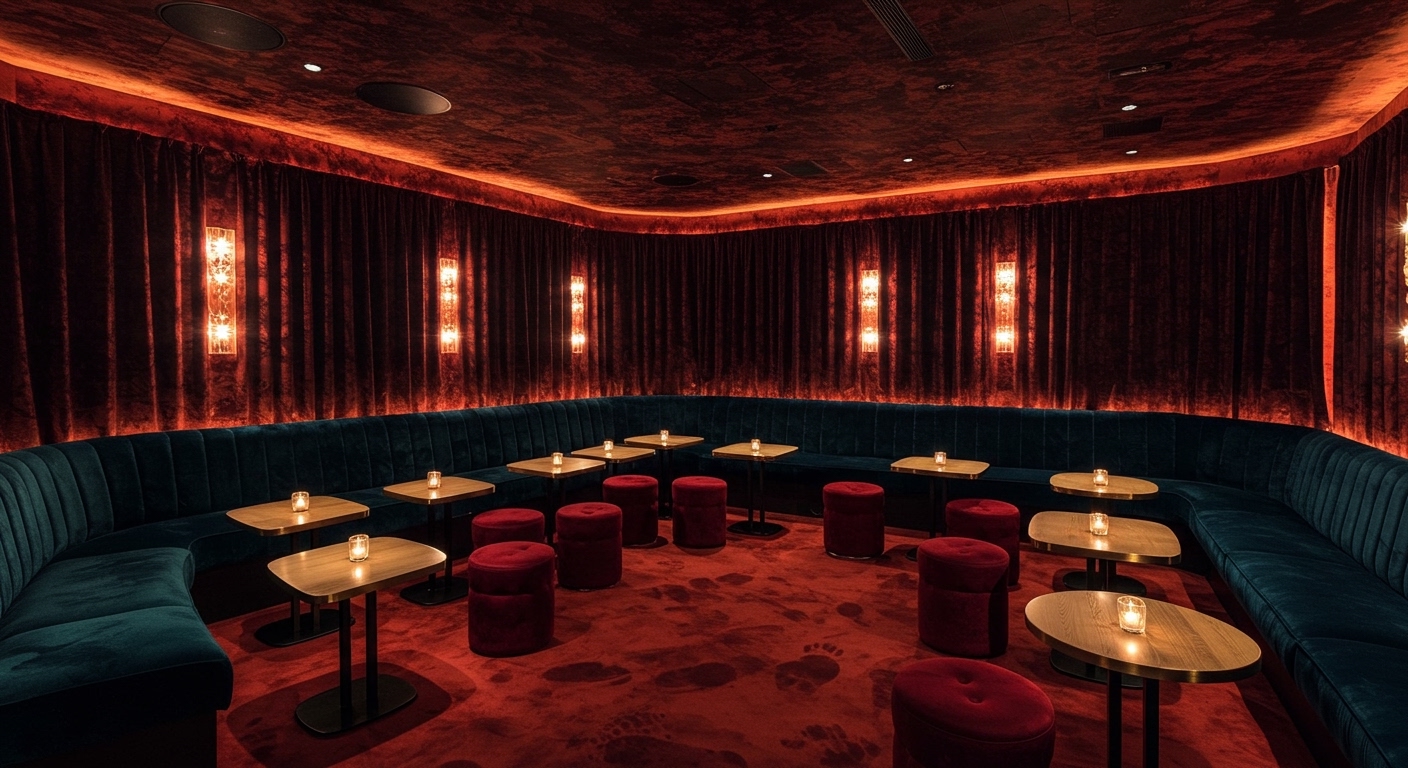
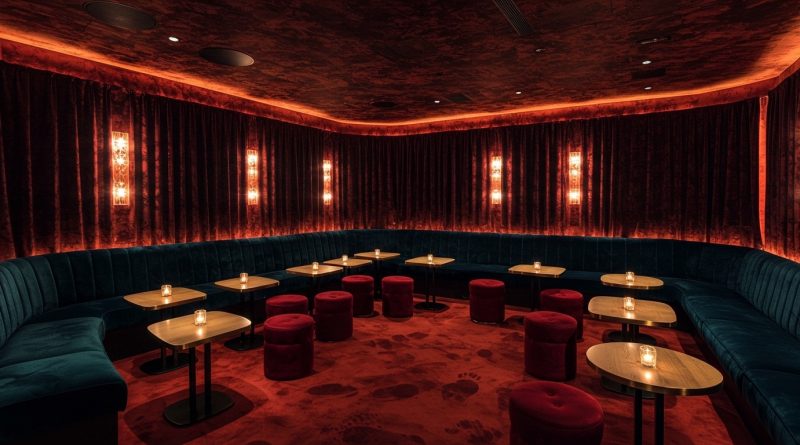
Golem’s Dive bar in London features velvet walls and floors designed to retain the imprint of bodies.
These varied projects reveal a quiet tension in contemporary design: the push for highly curated, often singular, spatial experiences that simultaneously acknowledge or even celebrate human imprint and adaptation. Designers are grappling with how to define comfort, flow, and inspiration not as static states, but as qualities that evolve through use and interaction. This isn’t about mere functionality; it’s about the emotional contract between space and inhabitant, a negotiation between the designed intent and lived reality. This approach challenges the prevailing expectation of pristine luxury, instead proposing an aesthetic of ongoing negotiation.
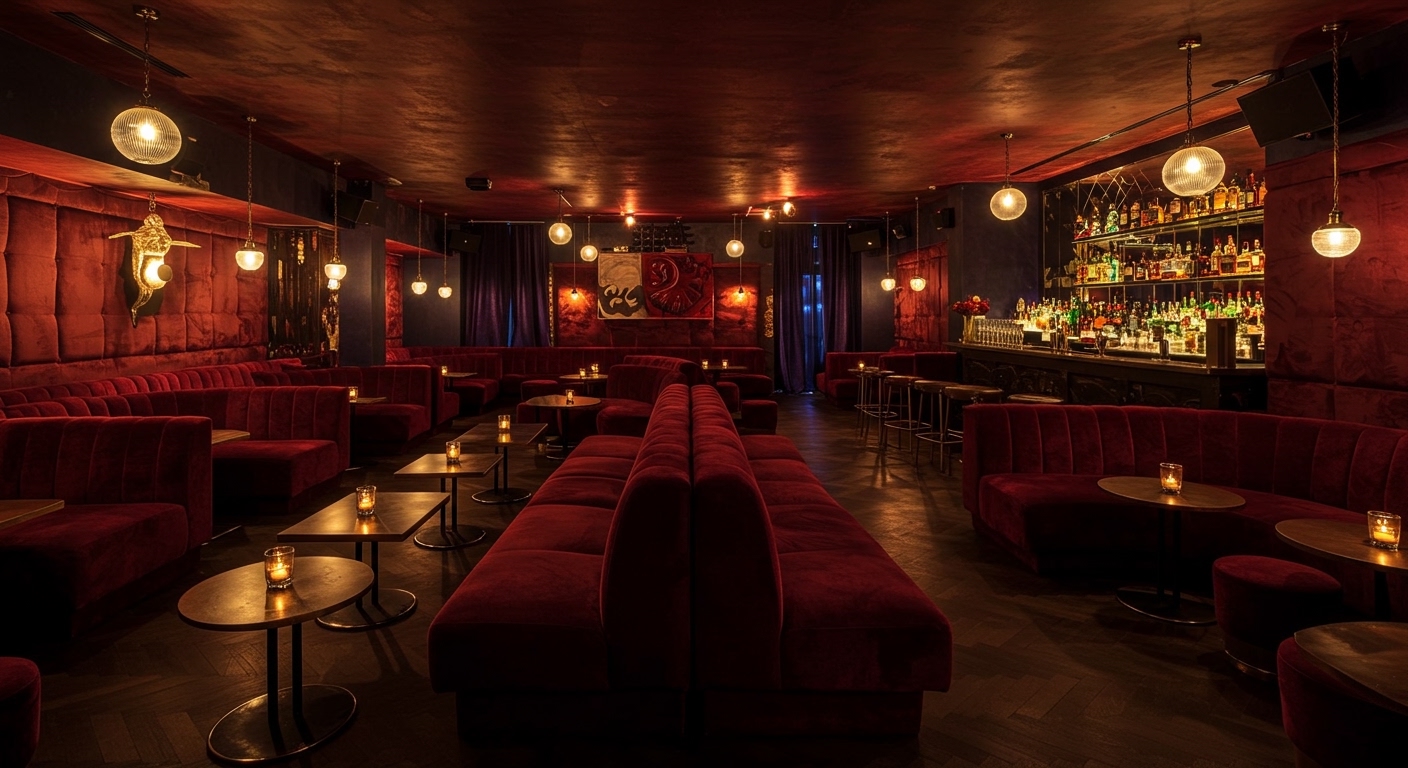
The luxury sector, for decades, equated high value with pristine surfaces and unchanging aesthetics. Yet, studios like Golem challenge this by embedding visible human history into their material choices. The tactile booths at Dive, entirely covered in soft red velvet, are explicitly intended to show wear, described as retaining the imprint of bodies. This contradicts the mainstream industry’s often-unspoken directive to design for perpetual newness, favoring materials that resist any sign of disturbance. This approach suggests a deeper understanding of luxury: not as imperviousness to touch, but as an intimate responsiveness to it. The perceived value shifts from a factory-fresh appearance to a narrative of lived-in authenticity, a form of luxury that accrues rather than diminishes with human presence. This allows for a spatial tension between initial design and subsequent habitation, demanding a re-evaluation of what constitutes true durability and quality in high-end environments.
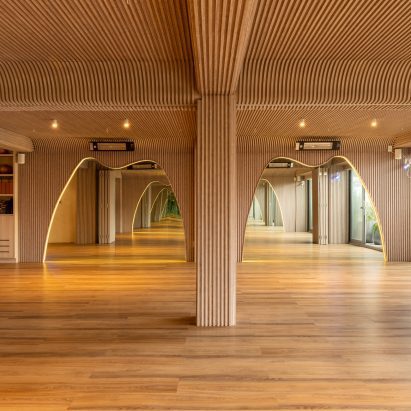
This shift extends beyond overtly organic material choices. Consider Talo Atelier’s Align Studio in Mexico City, where light-oak tambour panelling covers walls and curves onto the ceiling, creating a warm, coherent envelope for yoga sessions. While visually immaculate, the studio’s design for “centring” and “flexibility” implies an environment designed to absorb and support diverse human movements and emotional states over time, rather than remain a fixed backdrop. Mainstream luxury often positions spaces as aspirational backdrops for an idealized life, untouched by everyday friction, which can paradoxically create a sense of discomfort or artificiality. Similarly, Charlap Hyman & Herrero’s addition of rows of metal workstations to a futuristic LA office, while aiming for comfort, highlights the inherent spatial tension between structured efficiency and individual human presence. However, these examples collectively suggest a nascent understanding that true luxury provides a stable yet adaptable container for life’s inevitable ebbs and flows, creating spatial experiences that resonate more deeply. By mid-2027, the market will likely see an increase in luxury residential and hospitality projects commissioning custom surfaces designed for subtle, intentional patination that tells a personal story, moving beyond generic “distressed” finishes to materials that react uniquely to specific environmental conditions and human interaction.
The primary resistance to this evolved perspective comes from the real estate and development sector’s relentless focus on optimizing property for quick sales and maximizing perceived value through an unblemished, aspirational aesthetic. This commercial imperative often prioritizes photographic perfection for marketing, alongside low-maintenance solutions, actively discouraging any material choice that might visibly age or show signs of genuine occupation. The idea of “retaining the imprint of bodies,” while rich in narrative, is often an anathema to a market driven by flawless staging and minimizing future upkeep costs, creating a significant tension with design values that embrace organic evolution.
Interior professionals should initiate early-stage material specification conversations with clients that extend beyond initial appearance and durability. This includes detailed visual projections or physical samples demonstrating how selected surfaces will realistically evolve and acquire character over time, explaining how these changes contribute to the unique narrative and tactile quality of the space. Presenting design concepts that explicitly integrate, rather than hide, the eventual patina and wear patterns as part of the intended aesthetic and luxury proposition will help clients understand and embrace this deeper form of material intelligence and spatial tension.
TL;DR
Intentional spatial design increasingly integrates future human use and its visible effects into materiality and spatial tension.
Curated References


About this editorial — This piece was developed using AI-assisted research and curation across multiple industry sources. All analysis, opinions, and predictions represent the editorial perspective of JHDD. Sources are linked in the references section above.