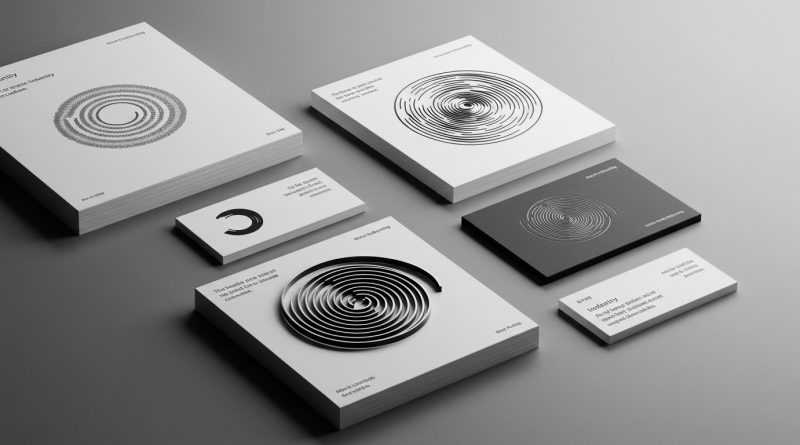
Julian’s Branding Insight — 2026.06.13
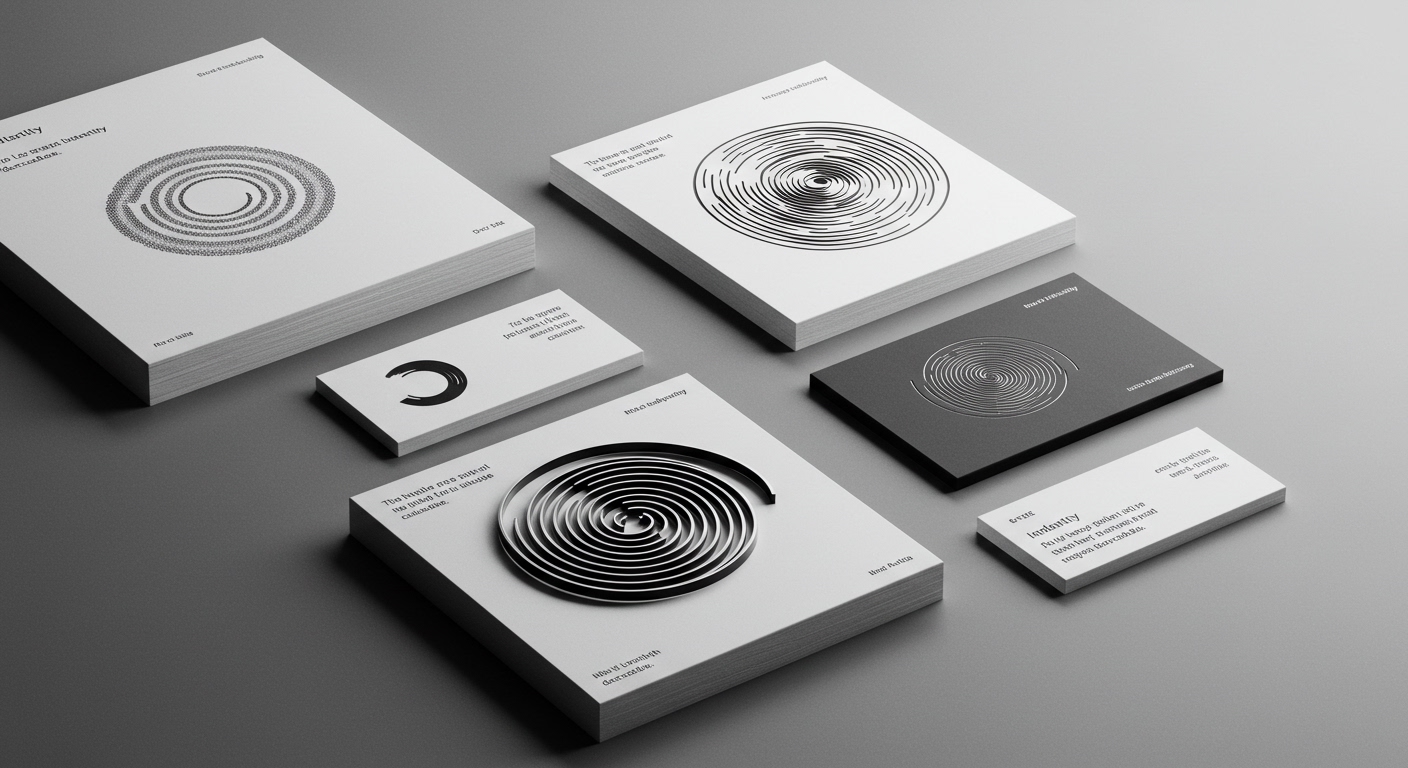
The humble spiral is not just a shape; it’s a potent cultural decoder.
In an era where brand equity is forged not just through logos, but through immersive cultural resonance, understanding visual identity systems has become paramount. These recent examples showcase a critical juncture for brands, where market positioning is increasingly defined by their ability to subtly yet powerfully signal their values and engage with contemporary cultural currents. The Museum of Narratives in Tokyo, with Pentagram’s joyful spiral, demonstrates how a singular, adaptable graphic motif can encapsulate a complex, cross-disciplinary mission, merging tradition with hyper-modernity. This is not merely about aesthetic appeal; it’s about crafting a visual language that can carry the weight of diverse narratives. Simultaneously, the nuanced critiques of Sunwink’s ready-to-drink tonic packaging and Bu Deli’s butter brand highlight the delicate balance required in consumer goods. Here, the visual identity must not only communicate product attributes but also tap into evolving lifestyle aspirations and a desire for perceived health and authenticity, often expressed through carefully considered color palettes and typographic choices that evoke a specific feeling or sensorial experience. Leo, the hair rejuvenation brand, confronts a sensitive subject with a bold, no-nonsense identity, signaling a strategic move to destigmatize and simplify a common human concern through clear, direct design. Brusco, the smash burger joint, offers a more archetypal example, yet its success lies in its deft reinvention of classic burger joint tropes, demonstrating that even familiar aesthetics can be revitalized to feel fresh and relevant.
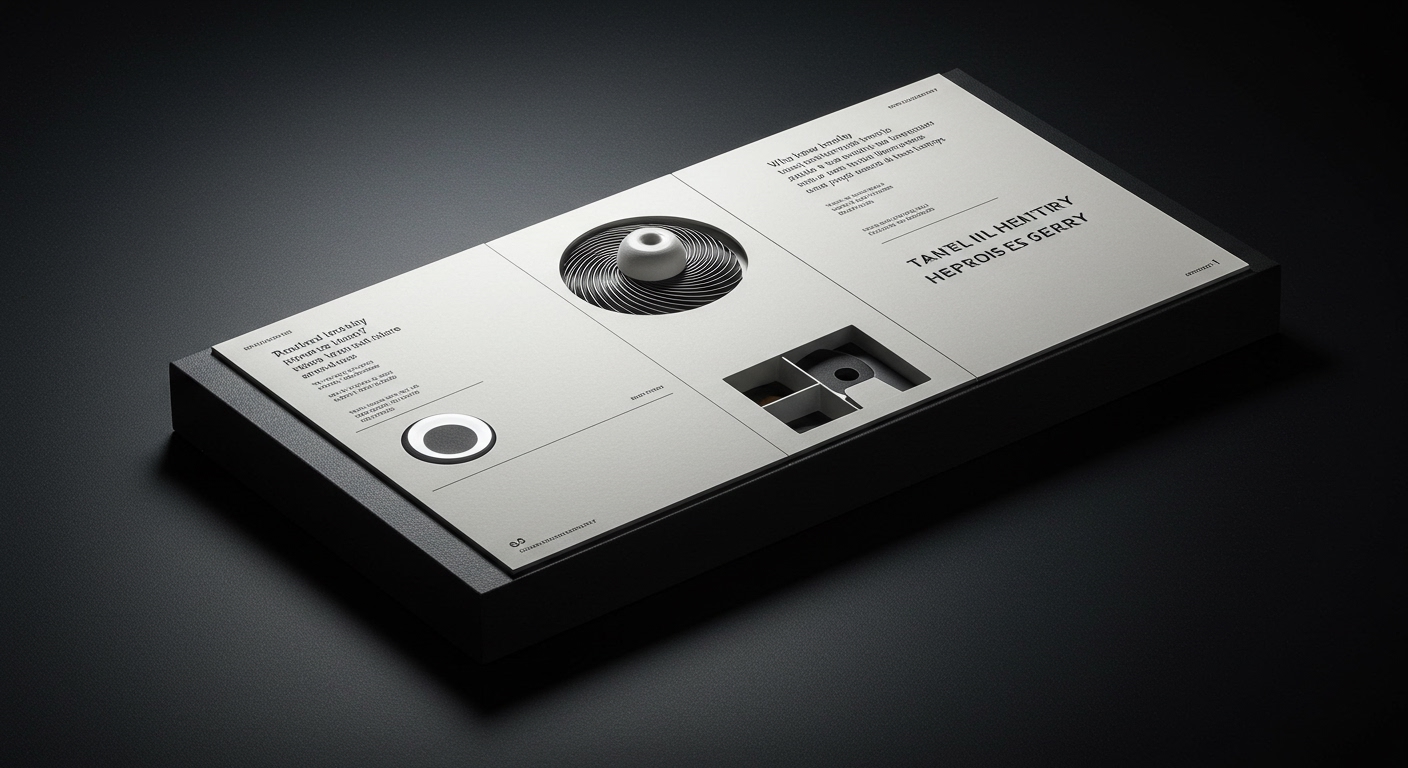
What emerges from this collection is a palpable shift towards brands that are both strategically assertive and culturally attuned. Pentagram’s work for the Museum of Narratives exemplifies this, using a dynamic spiral to represent fluidity and exploration, a powerful visual metaphor for an experimental, cross-disciplinary institution. This approach moves beyond static symbolism to embrace a more adaptive, generative identity system. Lisa Cain’s observations on Sunwink and Bu Deli, while focused on packaging, underscore a broader trend: the increasing importance of transparent, honest visual communication. The demand for products that feel “real” and uncomplicated translates into packaging that avoids artifice, favoring clarity and a certain unpretentious charm. Leo’s brand identity, by contrast, embraces directness to tackle a deeply personal issue. The “no nonsense” approach is a deliberate strategic choice, aiming to cut through the emotional complexity of hair loss with a visual signal of confidence and efficacy. Brusco’s success, meanwhile, lies in its sophisticated understanding of nostalgia and archetype. The reinvention of classic burger joint tropes isn’t about mere mimicry; it’s about deconstructing and reassembling familiar visual cues to create an experience that feels both comforting and excitingly new, tapping into a cultural memory while presenting a modern iteration.
The overarching tension lies in the simultaneous push for hyper-personalization and the re-emergence of potent, unifying archetypes in branding. On one hand, brands are increasingly expected to speak directly to individual needs and aspirations, as seen in the sensitive approach to Leo and the perceived authenticity sought in Sunwink and Bu Deli. On the other, there’s a clear appetite for brands that can establish a strong, almost universal cultural presence, like the aspirational yet grounded identity of Brusco or the expansive symbolic potential of Pentagram’s spiral. The challenge for strategists and designers is to navigate this duality: creating identities that feel intimately relevant to the individual while also resonating with broader cultural narratives and established visual grammars.
Brands will increasingly leverage generative AI to create infinitely adaptable visual identity systems that can dynamically respond to context, user data, and cultural shifts in real-time, moving beyond static logos to truly living brand expressions.
TL;DR
Brands are proving that effective identity lies in a fluid interplay of potent cultural signals and resonant archetypes.