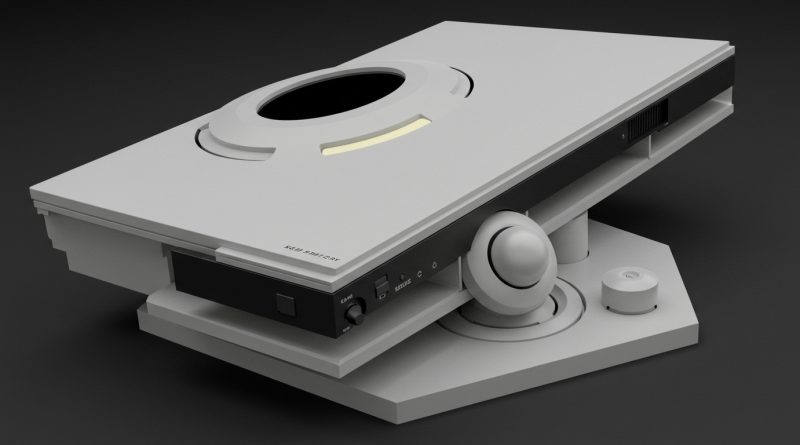
JHDD 3D Modeling Report — 2026.06.13
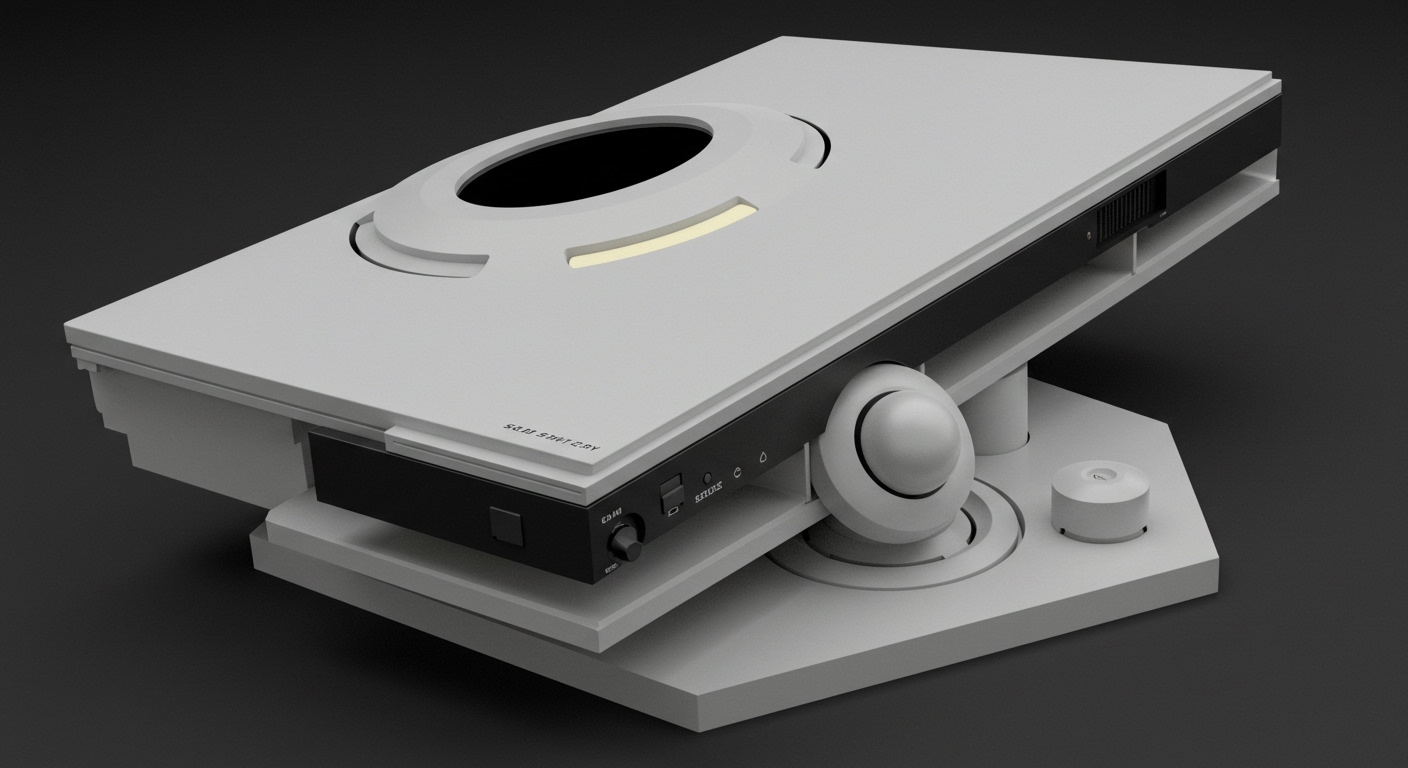
The true measure of hyper-realism in 3D assets isn’t photorealism; it’s the evocation of a tangible, imperfect history within the digital form.
The interconnected thread weaving through these disparate pieces of content isn’t simply an advancement in rendering fidelity or a growing fascination with game assets. It’s the emergent demand for what can be termed “simulated patina” – the digital embodiment of wear, tear, and organic imperfection that imbues virtual objects with a perceived history, moving beyond mere surface accuracy to a deeper narrative resonance. This isn’t about replicating a perfect photograph, but about simulating the very processes of time and use that create character and believability in the physical world. This force is driven by an audience increasingly attuned to the subtle cues of authenticity, a critical eye honed by years of exposure to both highly polished digital outputs and the rich, layered textures of reality. The drive is towards a tactile digital, where the absence of simulated imperfection registers as a flaw itself.
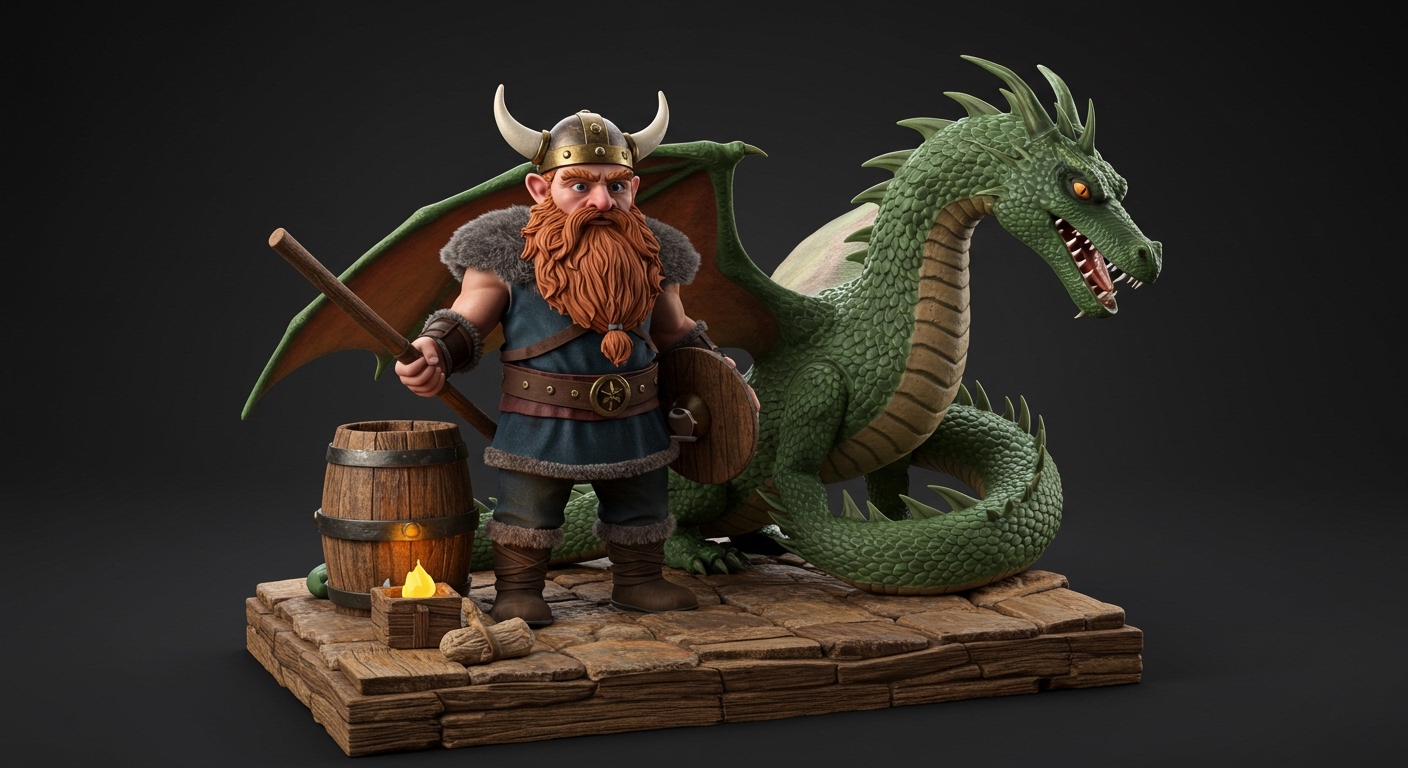
Beneath the surface, a significant shift is occurring in how we approach asset creation, particularly in the realm of character and environmental design. Companies like Method Studios, known for their groundbreaking visual effects in film, are already pushing this boundary, not just in replicating human skin but in simulating the subtle abrasions on a character’s worn leather armor or the way dust settles in the creases of a futuristic garment. This is a direct response to an evolving audience expectation that digital creations should feel lived-in, even when depicting the fantastical. The conventional industry wisdom often focuses on achieving flawless, high-polygon counts and pristine textures, aiming for a sterile, almost hyper-clean perfection. However, the true signal suggests that the path to greater realism lies not in eradicating flaws, but in meticulously simulating them. By late 2026, expect to see a measurable industry pivot where the most sought-after digital assets will be those that demonstrate a sophisticated understanding and implementation of simulated patina, even within highly stylized or futuristic contexts. This will manifest as a benchmark for quality, moving beyond raw polygon count or texture resolution.
The friction against this evolution arises from established pipelines and a lingering pursuit of efficiency through simplification. Many studios and freelance artists remain entrenched in workflows that prioritize speed and ease of iteration, often through the use of overly clean procedural generation or a reliance on a limited library of standardized imperfections. The resistance isn’t malicious; it’s often born from a fear of complexity and an assumption that “realism” equates to a lack of artistic control or an insurmountable rendering overhead. This tension highlights the ongoing debate between achieving a surface-level “good enough” for broad appeal versus investing the additional effort to imbue assets with a depth of simulated history that resonates with a more discerning audience. The reluctance to embrace computationally intensive but narratively rich simulation techniques is a significant bottleneck.
A working 3D modeling professional should begin integrating subtle, narrative-driven imperfections into their workflows this week. Instead of focusing solely on achieving perfect geometry and high-resolution diffuse maps, consider the implied history of an object. If creating a prop, ask: How would this be handled? Where would it naturally scuff? What kind of environmental exposure would it endure? Then, actively simulate these effects through deliberate texture work, subtle normal map variations, and even minor geometry deviations. This could involve creating layered materials that mimic dirt accumulation in crevices, or adding edge wear based on simulated impact points rather than uniform bevels. This approach elevates an asset from a mere digital model to a digital artifact with a story.
TL;DR
The next frontier of hyper-realism in 3D is not about surface perfection but about the convincing simulation of physical history and wear.
Curated References
About this editorial — This piece was developed using AI-assisted research and curation across multiple industry sources. All analysis, opinions, and predictions represent the editorial perspective of JHDD. Sources are linked in the references section above.