Julian’s Branding Insight — 2026.06.06
Brand builders are chasing ghosts, mistaking stylistic echoes for genuine cultural resonance.
The contemporary brand landscape is a relentless churn of visual signals, each vying for attention in an increasingly saturated market. In this environment, brand equity is not just built on legacy or product quality, but on a brand’s ability to tap into and articulate the prevailing cultural zeitgeist. This requires a sophisticated understanding of visual identity systems, not as static logos, but as dynamic narratives that evolve with societal attitudes and consumer expectations. Market positioning is no longer solely about functional differentiation; it’s about cultural alignment. The recent work of design studios like Another Collective for Brusco, Koto for The Norton, and OlssønBarbieri for Theaterbaren highlights this critical juncture. These projects demonstrate an acute awareness that design trends, much like food trends, are inextricably linked to broader societal currents, offering a mirror to our collective consciousness while simultaneously shaping our perceptions.
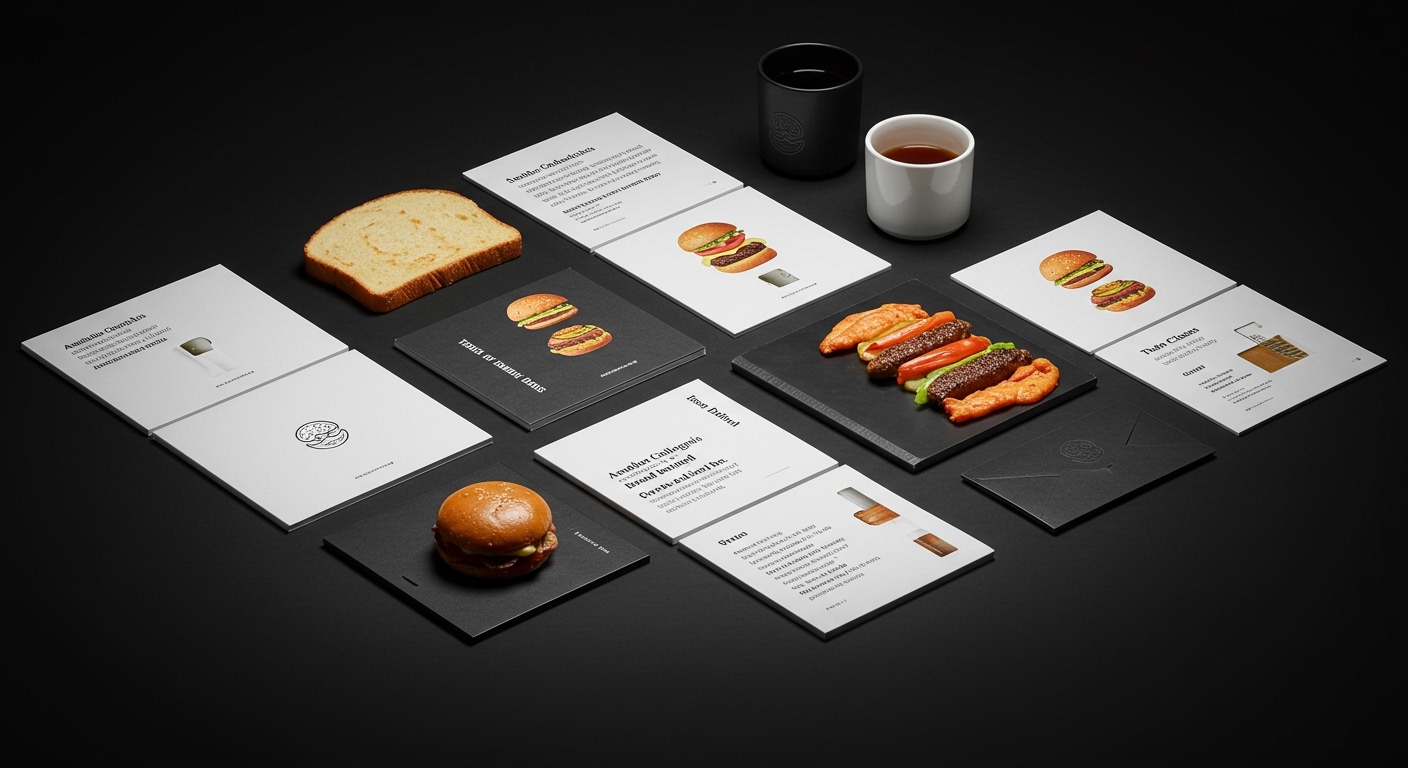
The news reveals a fascinating dichotomy in how brands are asserting their relevance. On one hand, there’s a deliberate dismantling of established visual tropes, as seen with Another Collective’s reinvention of classic burger joint aesthetics for Brusco. This suggests a strategic move away from nostalgic comfort towards a more contemporary, perhaps even subversive, interpretation of familiar experiences. Conversely, Koto’s revitalisation of The Norton Museum of Art’s identity signifies a deep respect for heritage, yet it’s not a mere archival resuscitation. Instead, Koto infuses the institution with a renewed sense of relevance, positioning it as a living, breathing part of everyday life, bridging the gap between art and the public in a way that feels modern. The common thread is a conscious engagement with the existing cultural framework, either by subverting its familiar elements or by reinterpreting its enduring values for a new audience.
The conversation around packaging, as highlighted by Lisa Cain’s observations on Studio Bland’s Bu Deli butter and Beta Design’s Fussy hand soap, further underscores this dual approach. Cain’s commentary points towards a tension between the allure of the visually appealing (“Now You See It”) and the practical demands of conscious consumption and ease of use (“Friction Kills Fantasy”). This suggests a critical juncture where aesthetic innovation must be balanced with user experience and ethical considerations. The success of a brand’s visual identity now hinges on its ability to navigate this complex interplay, ensuring that superficial gloss doesn’t overshadow genuine utility or alienate a discerning consumer base.
The inherent contradiction lies in the pursuit of originality while simultaneously drawing from established cultural archetypes. Brands are seeking to be both familiar and novel, to evoke a sense of shared experience while carving out a distinct identity. This tension is amplified by the rapid dissemination of visual information, where inspiration can quickly devolve into imitation. The challenge is to identify and leverage the underlying cultural currents that give meaning to these archetypes, rather than simply replicating their surface-level aesthetics. This requires a deeper archaeological dig into what makes certain visual languages resonate, moving beyond mere stylistic mimicry.
Looking ahead, the next wave of compelling brand identities will be those that are not just visually arresting, but demonstrably performative, acting as active participants in the cultural conversations they seek to join. This means brands will increasingly employ ephemeral, context-specific visual expressions that adapt and react in real-time to cultural moments, moving beyond static brand guides to dynamic, algorithmically informed design systems.
TL;DR
Brands must evolve from aesthetic mimicry to culturally intelligent, performative identities that resonate with contemporary nuances and drive genuine connection.