Julian’s Branding Insight — 2026.06.04
The carefully curated illusion of brand simplicity is slowly crumbling.
In a landscape saturated with the ephemeral and the aggressively loud, brands today grapple with an escalating challenge: how to forge enduring equity in a perpetually shifting cultural tide. The recent efforts in visual identity systems for institutions like the Norton Museum of Art and theaters like Oslo’s Nationaltheatret underscore a fundamental shift. These aren’t mere logo updates; they are strategic reconfigurations designed to resonate with evolving audience expectations and to secure market positioning beyond mere product or service. The act of branding, particularly in its visual manifestation, has become a critical tool for navigating the complex currents of consumer perception, moving beyond superficial aesthetics to embody deeper cultural values and lived experiences.
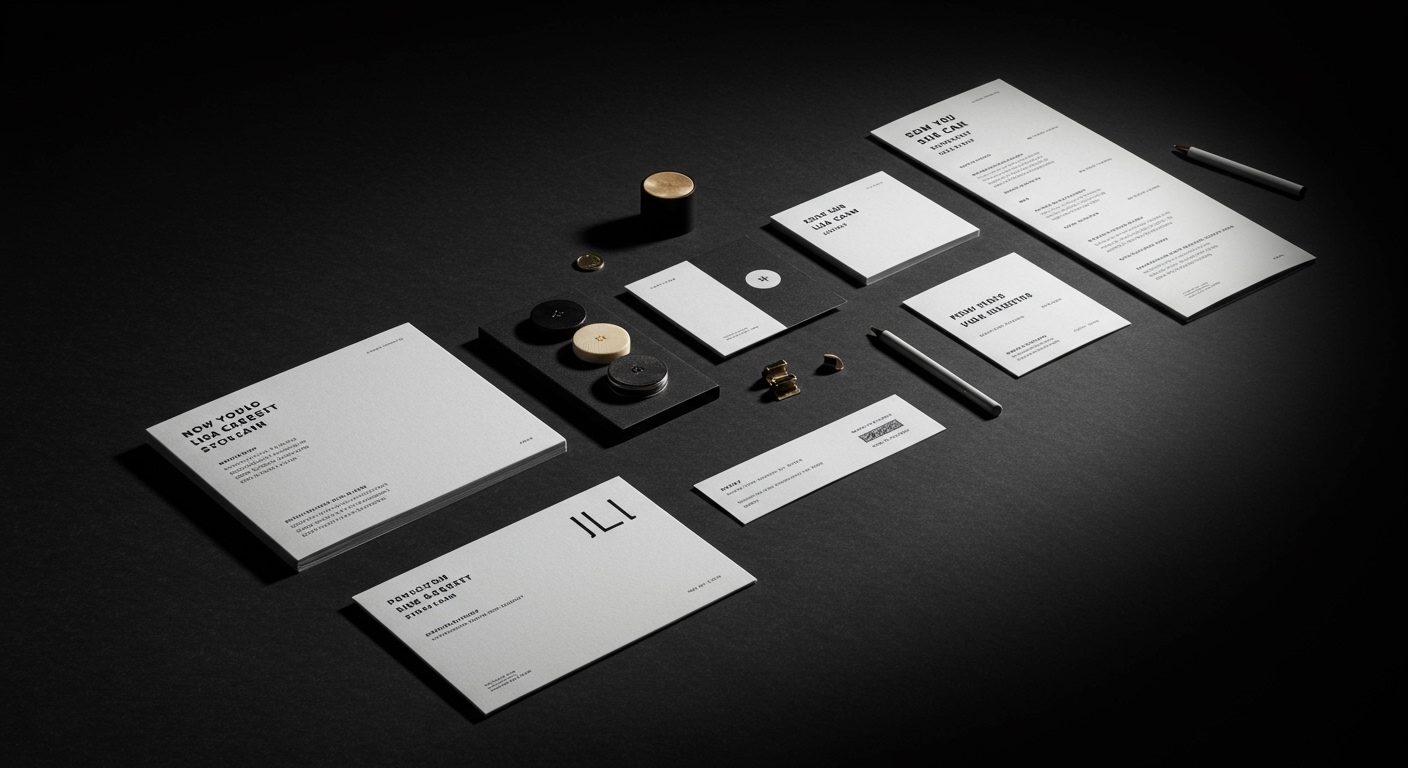
The news items paint a compelling picture of a brand world wrestling with its own complexity. Studio Bland’s work for Bu Deli butter and Beta Design’s approach for Fussy hand soap suggest a quiet rebellion against the often-overwrought demands of modern packaging. In both cases, the emphasis appears to be on an almost distilled essence, a reduction that paradoxically amplifies impact. This isn’t about minimalism for minimalism’s sake; it’s about a deliberate stripping away to highlight inherent qualities, a strategy that leverages the power of suggestion. Contrast this with the grander gestures of Koto’s revitalization of the Norton Museum, aiming to embed art within the fabric of everyday life, or OlssønBarbieri’s theatrical reimagining of identity for Theaterbaren, embracing melodrama to redefine formality. These projects demonstrate a spectrum of ambition, from the hyper-local and artisanal to the institutionally significant and culturally resonant, all seeking to imbue their brand with a distinct and memorable narrative.
The underlying tension here is the paradox of “less is more” versus “more is more.” On one hand, there’s a palpable movement towards elegant simplicity, where brand assets are pared back to their essential truth, making them more accessible and relatable, as seen with Bu Deli and Fussy. This approach prioritizes a frictionless experience, allowing the product or service to speak for itself without unnecessary adornment. On the other hand, significant cultural institutions and ambitious brands are embracing maximalist, evocative identities, weaving rich narratives and complex emotional tapestries. This tension highlights the industry’s ongoing negotiation between the desire for immediate clarity and the pursuit of profound, layered meaning, and how both can be viable paths to brand strength depending on context and ambition.
Looking ahead, the next five years will see brands increasingly abandon monolithic visual identities in favor of dynamic, context-aware systems that fluidly adapt to diverse platforms and cultural moments. This will mean a significant shift away from static logos and fixed color palettes towards generative design principles, AI-driven brand expression, and hyper-personalized visual touchpoints, blurring the lines between content and identity in ways we are only beginning to imagine.
TL;DR
Brands are oscillating between radical simplicity and elaborate storytelling, signaling a future where identity is not fixed but fluid and responsive.