JHDD Web Design Report — 2026.08.03
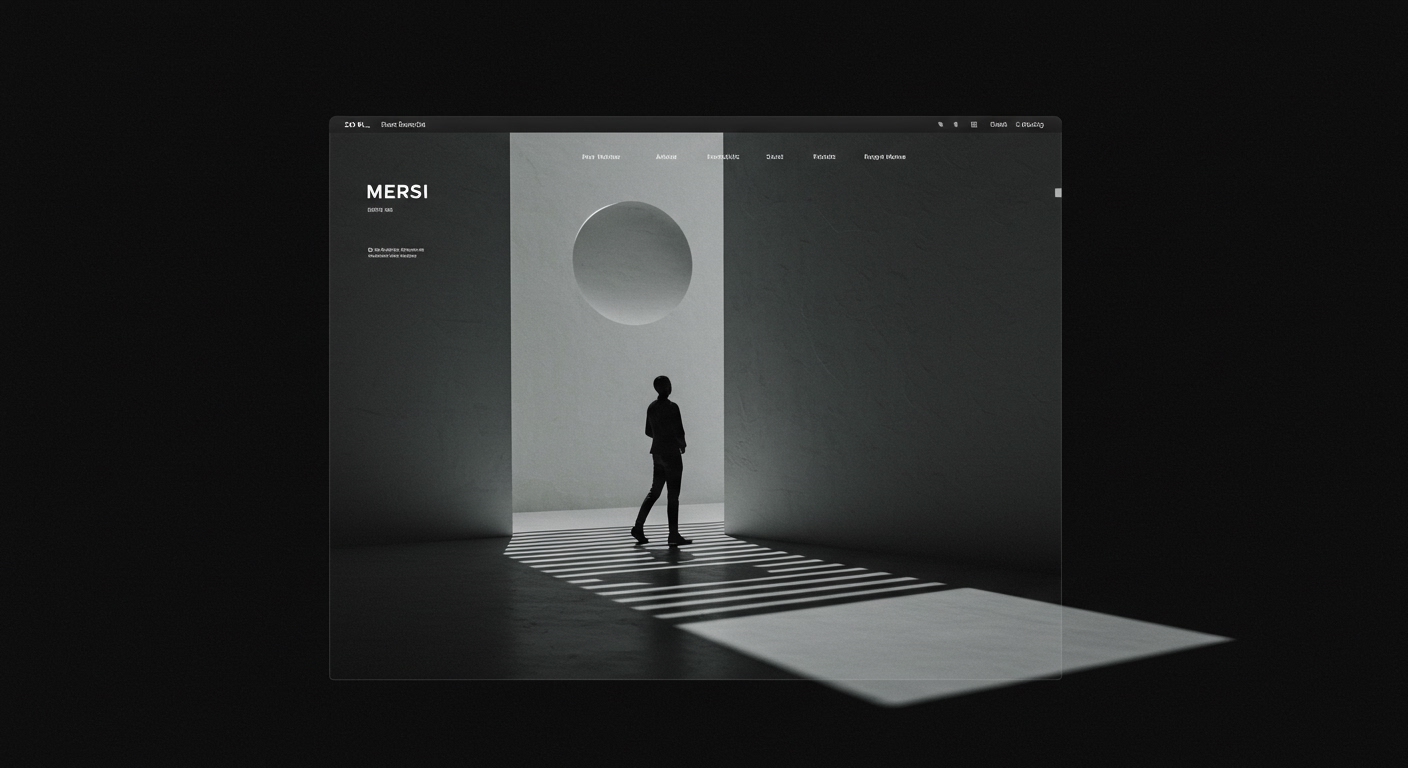
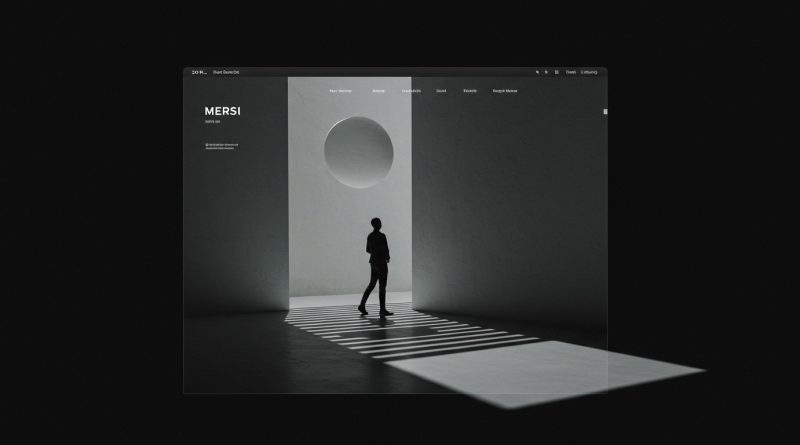
FLOT NOIR reimagines MERSI’s digital presence as a quiet, immersive space between architectural print and interactive web.
This particular approach, along with the recent additions of CSS border-shape and sibling-index() for animations, points to a clear industry trajectory: a deepening capability for highly precise, custom visual experiences on the web. Designers and developers are moving beyond standard grids and simple component applications to embrace granular control over shape, intricate layout, and fluid motion, achieving an aesthetic precision once primarily associated with high-end print design. The advanced use of CSS in the 2026 FIFA World Cup, as highlighted by recent reports, will further exemplify this shift towards detailed, dynamic interfaces that demand more sophisticated front-end craft.
The work FLOT NOIR delivered for MERSI’s website, combining a tailored Webflow build with precise motion and editorial storytelling, exemplifies this advanced craft. It demonstrates how studios are rejecting the commoditization of web design, where efficiency often triumphs over distinctiveness. Many within the industry champion the accelerated development cycles offered by extensive component libraries and strict design systems, advocating for a standardized, assembly-line approach to front-end work. This widespread opinion overlooks the critical value of bespoke digital environments. True design intelligence recognizes that not every project benefits from a rapid, undifferentiated deployment. For brands seeking to convey unique value, a meticulously crafted, slow-burn experience, rich in subtle motion, considered layout, and deliberate typography, offers a more profound and memorable connection than a merely functional interface. This architectural quality on the web suggests a maturation of the medium itself.
Such projects emphasize an artisanal perspective, where the interaction between layout, web typography, and micro-animations is paramount. Tools like GSAP, noted for its utility in building infinite scroll galleries with parallax and Flip transitions, become essential enablers of this vision. Its capacity for precise timing and complex sequencing allows for experiences that are both performant and deeply engaging. The increasing sophistication of native CSS properties, from border-shape for complex forms to container “stuck” queries for contextual responsiveness, equips developers with fine-grained control over element form and behavior. This deeper command allows for visual storytelling that prioritizes immersive quality and perceived polish alongside raw technical speed. By mid-2027, the definition of a performant website will integrate the fluidity of its motion and the sophistication of its transitions as critically as its initial load time, pushing standard optimization benchmarks to encompass the full, interactive user journey. Studio Freight’s mission-driven approach to digital experiences aligns with this pursuit of bold, impactful work that moves beyond generic solutions.
This pursuit of precise, crafted web experiences faces resistance from the prevailing industry emphasis on rapid, scalable production inherent in many enterprise-level platforms and default component frameworks. These systems, while providing consistency and developer velocity, often inadvertently constrain the creative freedom required for truly distinctive visual and interactive expressions. Their default configurations frequently prioritize ease of implementation and maintainability over aesthetic individuality, thereby promoting a pervasive homogenization of the digital landscape. This tension between standardization and unique craft remains a defining challenge for modern front-end professionals.
A working web design professional should dedicate time this week to experimenting with a nascent CSS layout or motion feature, such as border-shape or sibling-index(). Go beyond understanding the syntax; focus on how its application can enhance visual distinctiveness in a real project and critically analyze its implications for overall rendering performance, accessibility, and maintainability. This involves moving beyond purely theoretical knowledge to practical, informed application.
TL;DR
The web design landscape is evolving towards highly customized, craft-focused digital experiences, driven by advanced CSS and motion capabilities.
Curated References
About this editorial — This piece was developed using AI-assisted research and curation across multiple industry sources. All analysis, opinions, and predictions represent the editorial perspective of JHDD. Sources are linked in the references section above.