JHDD Architecture Report — 2026.10.17
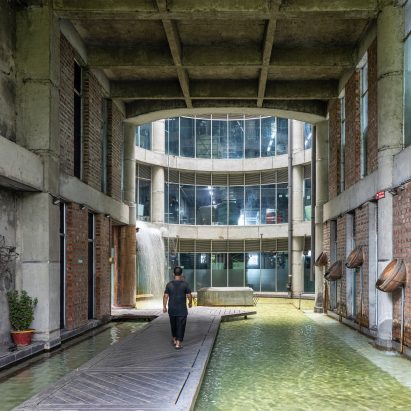
Nakshabid Architects’ Green Field Factory, recently awarded the RIBA International Prize for 2026, exemplifies a strategic shift in how global architecture defines value.
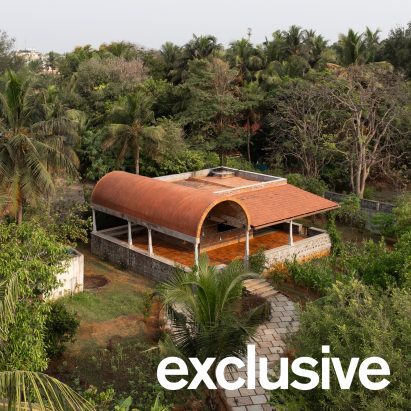
This award, alongside Spaces by Manah’s use of a brick barrel-vaulted roof for The Soil & Sea community centre in Chennai and Aplomb’s focus on eco-responsible ambition for multi-family housing in Mulhouse, indicates a growing emphasis on embedded intelligence over iconic statement. Buildings are increasingly recognized not for their isolation, but for their seamless contribution to urban metabolism and local material economies. Architectural discourse is shifting towards the generative capacity of design within existing frameworks.
Conventional wisdom often praises architectural solutions that introduce spectacular forms or deploy novel, often imported, material technologies. However, the Green Field Factory in Rangpur, Bangladesh, by Nakshabid Architects, offers a different lesson. This project, honored with the RIBA International Prize for 2026, is noteworthy not for an unprecedented facade system, but for its structural philosophy that actively dismantles workplace hierarchies through spatial arrangement and considered material choices. Its success demonstrates that architecture’s true power resides in shaping social dynamics and urban responsibility, rather than merely providing shelter or aesthetic appeal. The factory’s local material palette and construction methods implicitly challenge the carbon footprint associated with global supply chains.
The mainstream industry, still heavily influenced by a focus on signature projects and rapid construction, often overlooks the long-term environmental and social costs embedded in material acquisition and waste cycles. A contrarian perspective holds that this fixation on speed and novelty is detrimental to genuine sustainability and urban resilience. True material innovation does not always mean inventing a new compound, but understanding and optimizing existing, locally available resources. By mid-2027, the industry will witness a significant increase in project briefs demanding lifecycle cost analysis for every primary structural material, moving beyond basic carbon accounting to integrate social impact assessment across the entire material supply chain.
This evolving architectural ethos faces resistance from entrenched procurement models and the financial structures that prioritize upfront cost savings over long-term value and community benefit. Developers seeking rapid turnover and clients adhering to conventional building procurement methods often default to known, standardized, and sometimes less sustainable materials and practices. The inertia of established construction logistics, which favor large-scale, generic componentry, also actively works against bespoke, context-specific material innovation.
An architecture professional this week should engage directly with local craftspeople and small-scale manufacturers to understand their material capabilities and economic realities. This involves actively seeking out suppliers who can offer bespoke or regionally sourced materials, even for seemingly minor components, and integrating their input early in the design process. Rather than specifying off-the-shelf items, architects should explore how local skills can inform structural details or interior finishes, fostering economic resilience within project communities.
TL;DR
The most impactful architecture now prioritizes local materials, social integration, and long-term community value over globalized spectacle.
Curated References


About this editorial — This piece was developed using AI-assisted research and curation across multiple industry sources. All analysis, opinions, and predictions represent the editorial perspective of JHDD. Sources are linked in the references section above.