JHDD UI UX Report — 2026.08.03

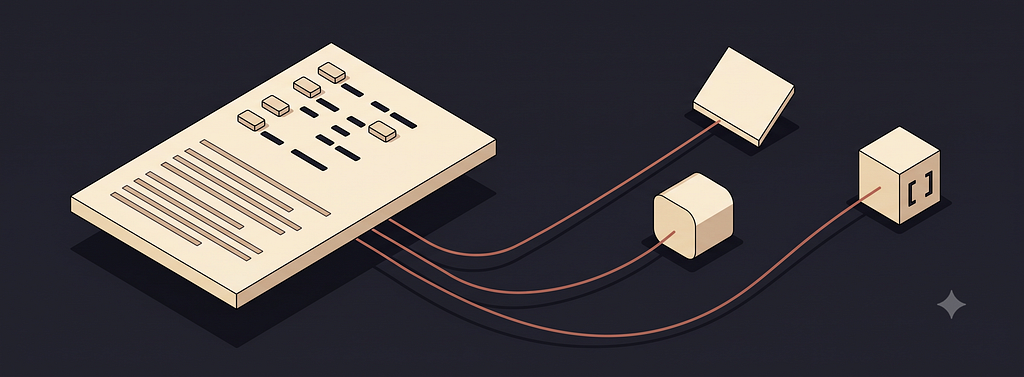
A single plain-text file like Design.md attempts to define visual identity for both humans and coding agents.
The recurring pattern across these observations is the emergent duality of audience in digital product design. For decades, the human user was the singular focus, guiding every principle from interaction design to usability testing. Now, an increasing portion of our design output, whether it is an article, an interface specification, or even raw visual identity, must first be comprehensible and actionable for autonomous agents. This shift expands the definition of “user” to include not just the person navigating an application, but also the artificial intelligence interpreting, generating, or acting upon that design information. The implicit contract of design is no longer exclusively with the human at the terminal, but also with the computational proxy.
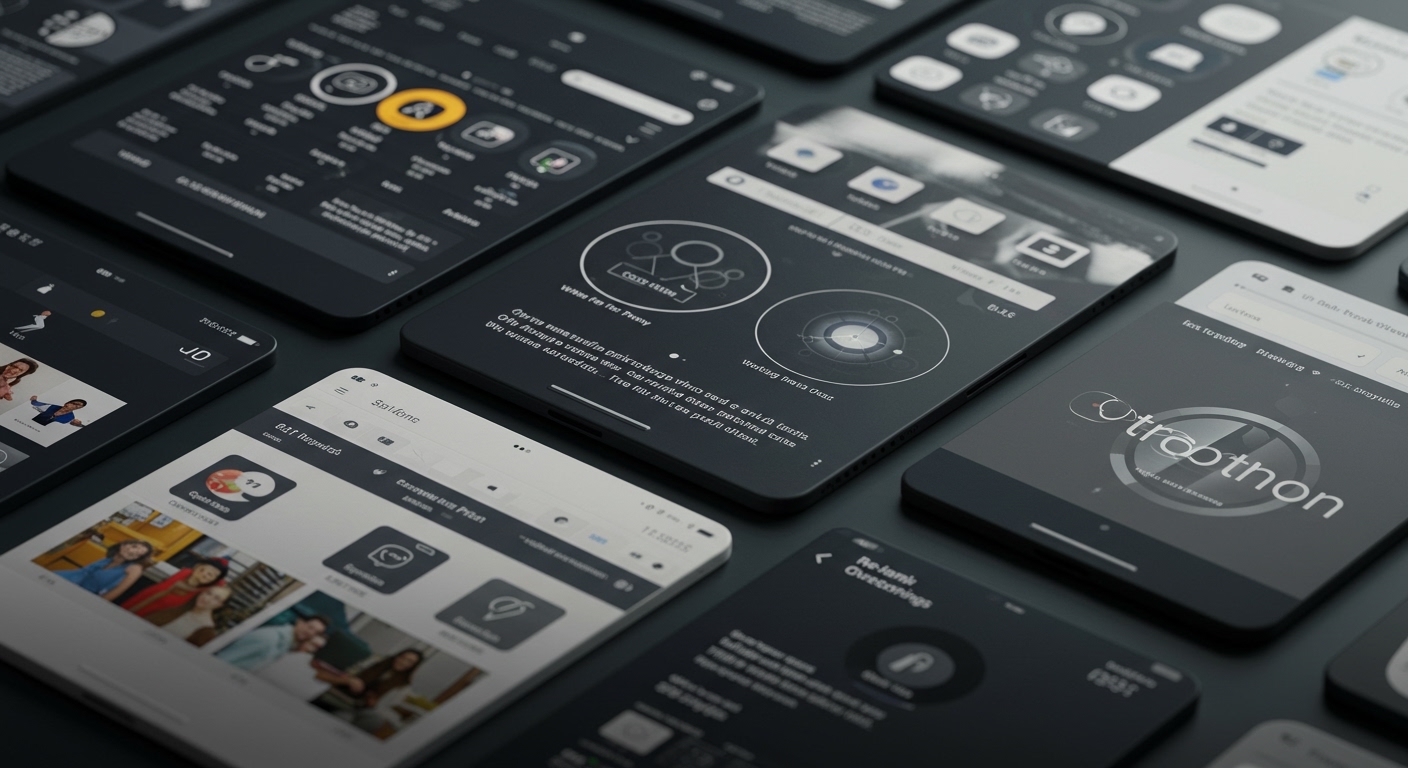
The concept of Design.md, a single standardized file for visual identity, illustrates this necessary pivot. Its structure, with typed values for machines and written sentences for people, directly addresses the growing demand for machine-readable design systems. Conventional industry wisdom often emphasizes the human-centric aspects of design systems: ensuring consistency for users, empowering designers, and streamlining developer handoff. However, this perspective overlooks the critical bottleneck AI agents encounter when attempting to build interfaces based on existing, visually-oriented design specifications. Agents, as noted, default to generic components like a Material button or a shadcn card not out of failure, but because proprietary brand identity often resides in opaque Figma files or human tribal knowledge, inaccessible to them. The mainstream view prioritizes visual and organizational consistency for human teams; the more pressing need is semantic clarity and computational parse-ability for emergent AI collaborators.
This oversight leads to fragmented user experiences as AI-generated interfaces drift away from established brand guidelines, or require extensive post-generation human intervention. By mid-2027, organizations that have failed to implement truly machine-readable design token frameworks will face significant inefficiencies, requiring disproportionate resources to audit and correct AI-generated outputs that lack fundamental brand alignment. This will move beyond just visual elements to interaction patterns, where agents will generate common, but not necessarily branded, micro-interactions without explicit, parse-able direction.
The primary resistance to this evolution comes from the inertia of existing tooling and the deeply ingrained practices of human-centric design documentation. Design teams accustomed to visual authoring tools and prose-heavy style guides find it challenging to shift to structured, semantic declarations that machines can parse directly. Furthermore, the perceived cost and complexity of overhauling legacy design systems or investing in new, machine-first definition layers often deter studios, favoring iterative human-focused improvements over foundational agent-centric shifts. This resistance is not malicious but born of a comfort with established workflows.
A working UI UX professional should this week audit their current design system’s token structure for machine readability. This involves examining if core visual and interaction properties, beyond simple hex codes, are defined in a way that an agent could interpret and apply without human intervention. Prioritize converting semantic values (e.g., “primary-brand-color,” “spacing-unit-md,” “interactive-button-hover-state”) into universally accessible formats, even if starting with a simple JSON or plain-text file.
TL;DR
Designers must now design for both human users and AI agents by building machine-readable design systems.
Curated References



About this editorial — This piece was developed using AI-assisted research and curation across multiple industry sources. All analysis, opinions, and predictions represent the editorial perspective of JHDD. Sources are linked in the references section above.