
JHDD UI UX Report — 2026.07.07
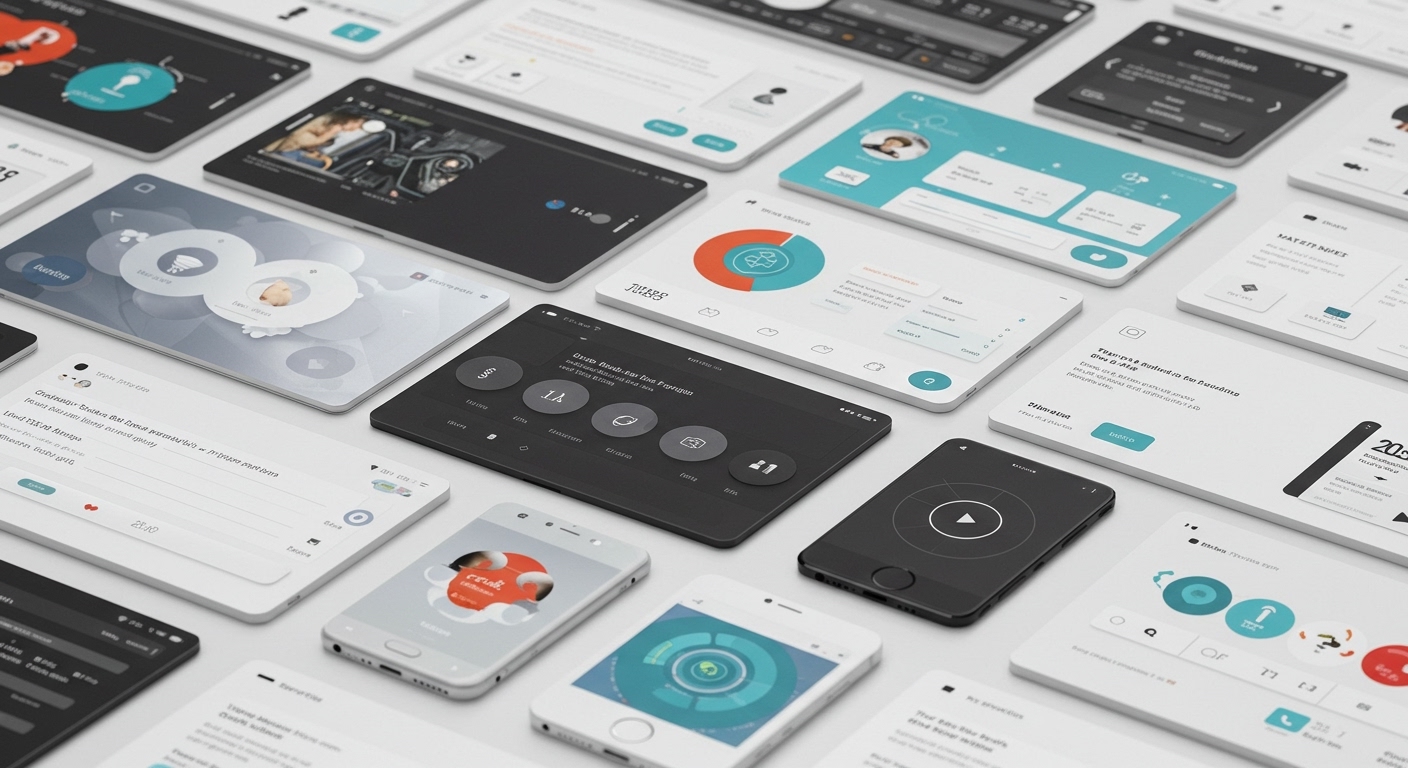
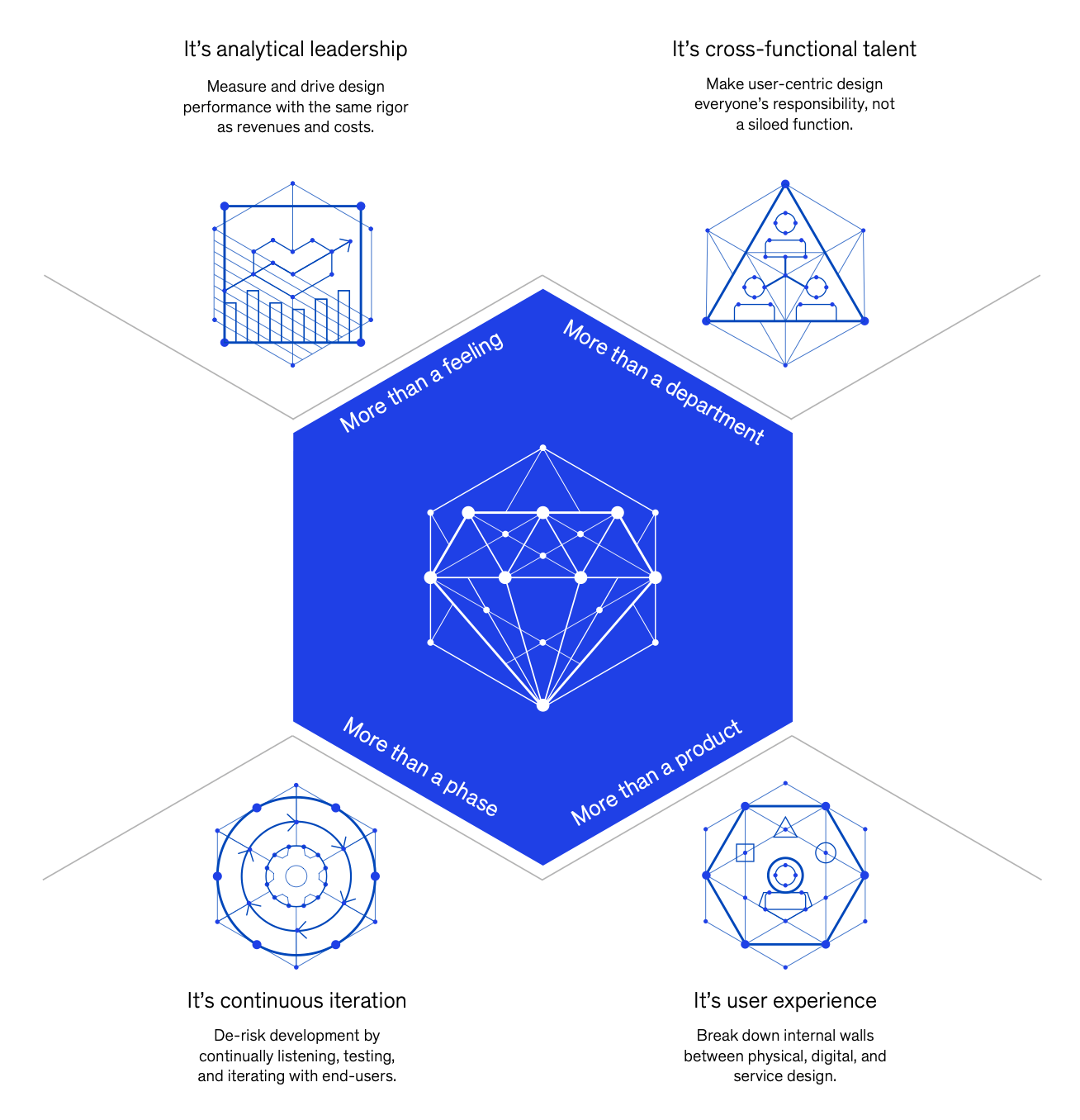
A studio’s year-long experiment in rebuilding its design process around AI demonstrated that core design activities did not become faster. This observation underscores a broader pattern emerging in 2026: the hidden costs and true value of design are becoming un-hidden, shifting from the isolated design department to impact cross-functional teams and even end-users. From design system debt now felt by engineers and marketers to consumer questions about creative provenance, design’s functional integrity and human authorship are being tested and re-evaluated by a wider audience. The focus is moving from the superficial output to the underlying process and intent.
The mainstream industry narrative that AI fundamentally accelerates design processes is challenged directly by the experience of a studio that spent a year integrating AI across four real products. This studio found sprints still took five days and the overall process did not yield 10x speed improvements. This contradicts the prevailing optimistic claims, revealing that while AI can generate visual permutations quickly, the critical human work of “holding the scissors” – discerning, iterating, and making strategic choices – remains the bottleneck. The perceived speed of AI-generated output often obscures the increased cognitive load and time required for human oversight and refinement.

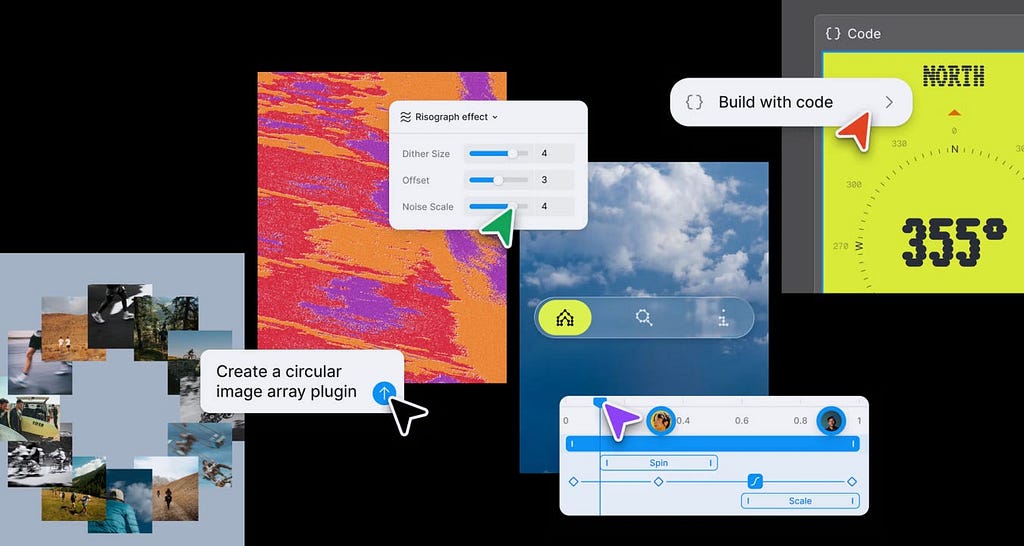
This human-centric bottleneck aligns with the expanding visibility of design system debt. Figma’s influence, as noted in recent analyses, is making this debt everyone’s problem, pushing the cost out of designers’ “corner” and into the timelines of product managers and engineers. The notion of design as function, rather than just pixels, suggests that organizations will be forced to internalize these distributed costs. By mid-2028, enterprises that previously underfunded design system governance will re-allocate significant budget towards dedicated design operations teams, explicitly to track and mitigate cross-functional friction caused by system inconsistencies and poorly defined handoffs. This will establish design systems as true products with their own budgets and owners.
The primary opposing force is the persistent industry temptation to optimize for perceived surface-level efficiency. The allure of quickly generated posters that “look the same,” and the ease of prototyping without deep consideration for interaction patterns or accessibility, distract from the true functional requirements. This pressure for rapid, AI-assisted output often bypasses rigorous user research and thoughtful interaction design, creating an illusion of progress that ultimately leads to more complex system debt and diluted brand identity, contributing to consumer doubt about “who made this.”
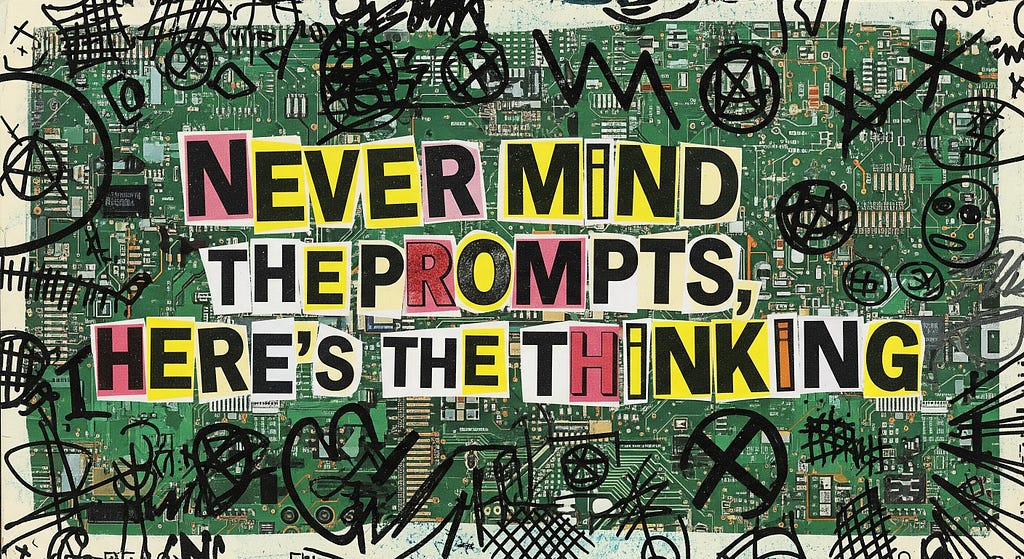
A working UI UX professional should begin documenting the specific human decision points within their design process, especially when utilizing AI tools. This involves recording not only the prompt or input given to an AI, but also the human rationale for selecting, modifying, or rejecting generated outputs. Explicitly defining the “human holding the scissors” moment in deliverables, perhaps as metadata or commentary, provides essential provenance and clarifies the intellectual contribution, ensuring that the “thinking” behind the design remains transparent and accountable.
TL;DR
The true value and hidden costs of design are becoming cross-functional, challenging superficial efficiency and demanding human authorship.
Curated References

About this editorial — This piece was developed using AI-assisted research and curation across multiple industry sources. All analysis, opinions, and predictions represent the editorial perspective of JHDD. Sources are linked in the references section above.