JHDD 3D Modeling Report — 2026.07.07
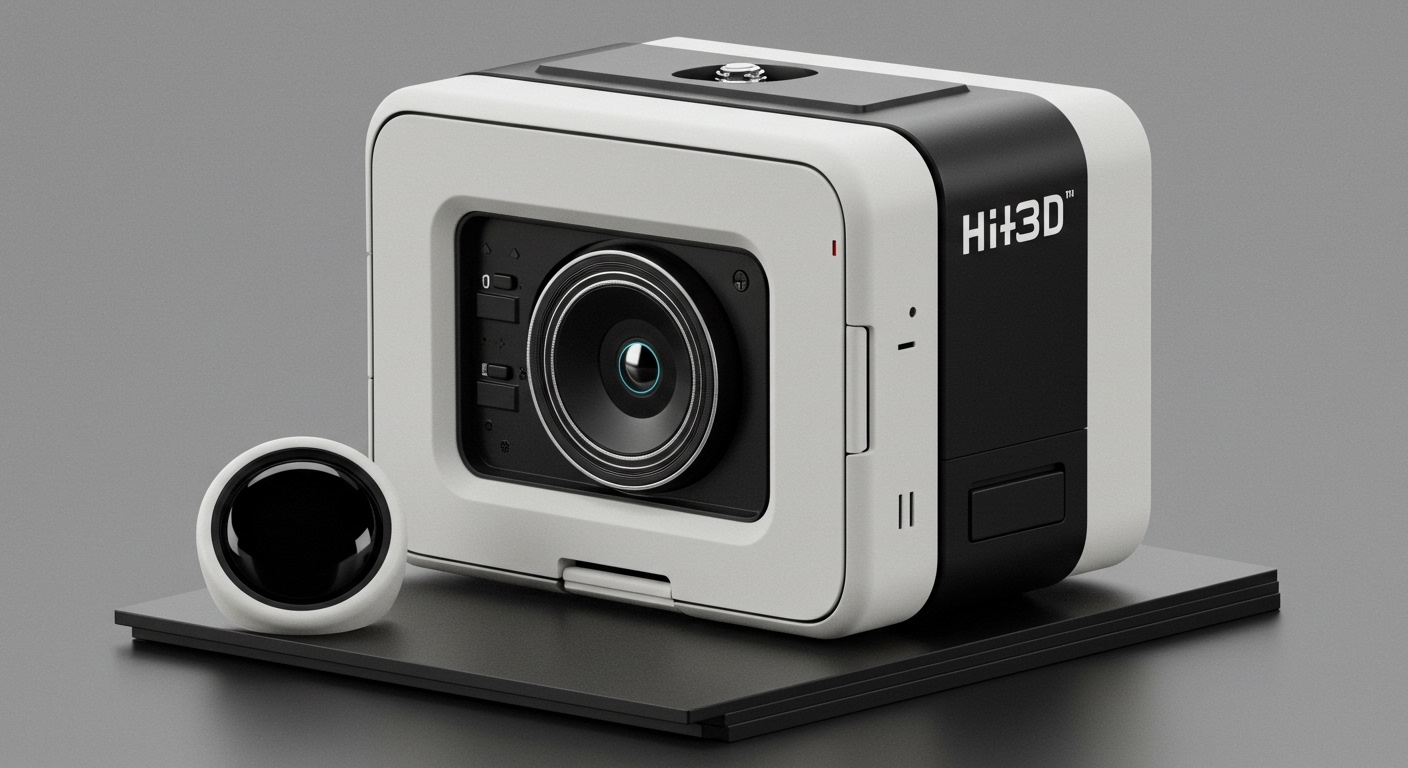
Hi3D’s AI 3D maker platform demonstrates a significant shift in digital asset creation by turning a simple text prompt into a physical Space Marine miniature.
The disparate narratives of major studio restructuring, accessible AI-driven fabrication, and individual artistic expressions in digital and physical forms reveal a tension in the perceived value and generation of digital assets. While large industry players like Xbox face significant workforce reductions, the tools for creating virtual and physical objects are simultaneously becoming more democratized and automated. This creates a challenging environment where the industrial pipeline for elaborate virtual spaces is contracting, even as individual agency in object creation expands.
Farrukh Abdur’s recent summer project, featuring delicious cartoon-like desserts created in 3D, offers a potent case study. While much of the industry continues its relentless pursuit of photorealistic assets and increasingly complex lighting dynamics for virtual spaces, Abdur’s work highlights the enduring appeal and commercial viability of highly stylized content. This contradicts the mainstream industry opinion that the primary vector for innovation in 3D modeling lies solely in achieving ever-higher fidelity realism. Instead, the capacity for AI tools, as demonstrated by platforms like Hi3D, to generate “good enough” realistic models from simple prompts will paradoxically elevate the demand for distinct, art-directed stylization and unique artistic voices. The market value for perfectly rendered, generic realistic assets is diminishing as AI makes that baseline accessible to more creators.
The real frontier is not just in rendering the impossible, but in creating distinct visual languages that stand out against an increasingly homogenized backdrop of AI-generated realism. This shift impacts virtual spaces directly. By mid-2027, the emphasis for successful virtual experiences will lean heavily on unique aesthetic coherence and novel interactive design, rather than just raw polygon counts or shader complexity. Studios will increasingly prioritize artists who can define and execute a strong, cohesive art style, leveraging procedural tools for efficiency in background elements while focusing human talent on defining primary visual identity and innovative lighting schemes that reinforce specific moods and narratives, moving beyond generic global illumination.
The primary opposing force to this shift comes from established institutions and legacy pipelines that have invested heavily in hyper-realism and large-scale, human-intensive asset production. These entities, often represented by the very studios undergoing restructuring like those under Xbox management, find it difficult to pivot their massive infrastructure and embedded skill sets towards agile, stylized, or AI-augmented workflows without significant disruption. Their inertia maintains a demand for traditional, high-fidelity asset creation even as market dynamics evolve.
A working 3D Modeling professional should, this week, experiment deeply with procedural generation tools and AI-driven asset creation platforms like Hi3D, specifically focusing on how these tools can augment unique stylistic expression rather than merely automate existing realistic workflows. This means exploring how to integrate generated assets into a distinct art style, or how to use AI to rapidly prototype diverse visual directions for lighting and environment design within virtual spaces.
TL;DR
The future of 3D modeling emphasizes unique artistic stylization and procedural augmentation over the sole pursuit of generic hyper-realism, requiring professionals to adapt their skillsets now.
Curated References
About this editorial — This piece was developed using AI-assisted research and curation across multiple industry sources. All analysis, opinions, and predictions represent the editorial perspective of JHDD. Sources are linked in the references section above.