JHDD Packaging Report — 2026.07.23
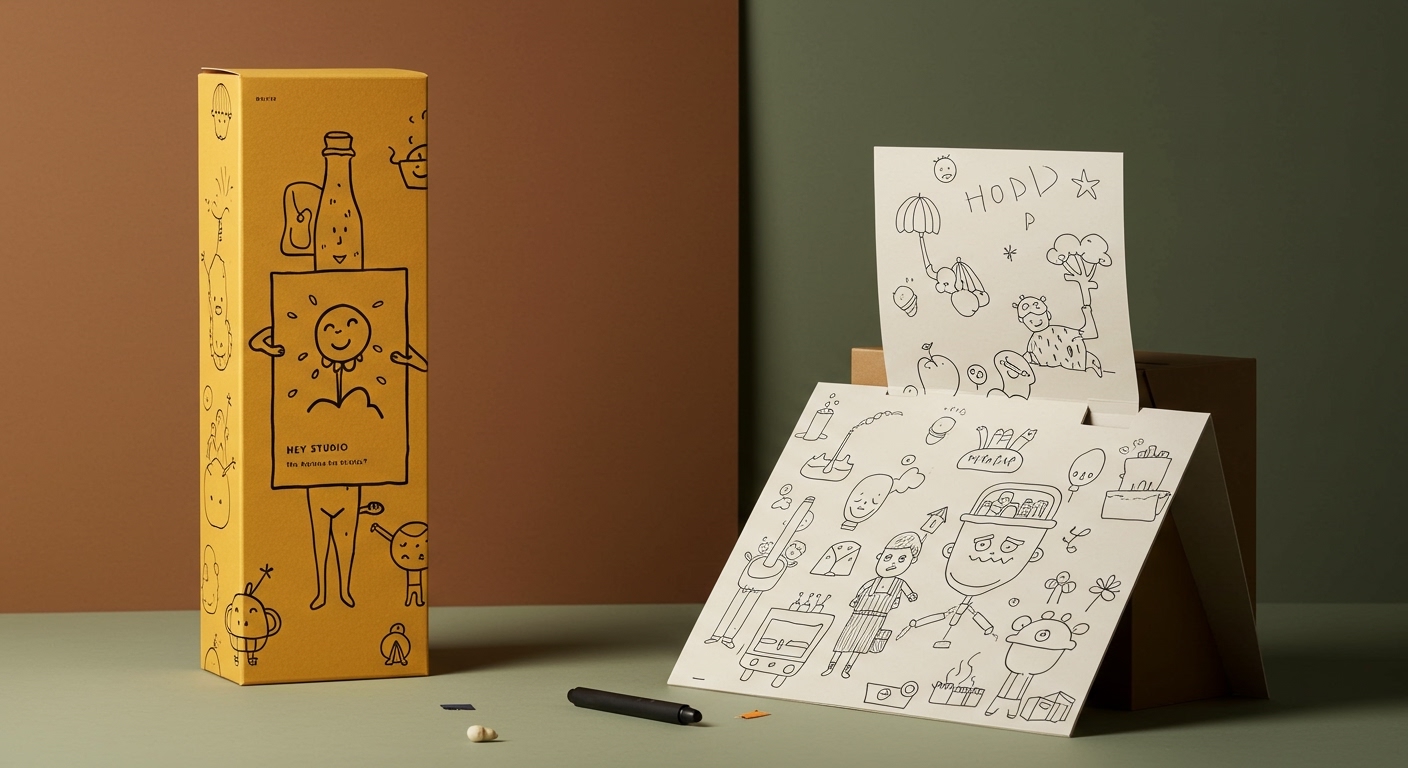
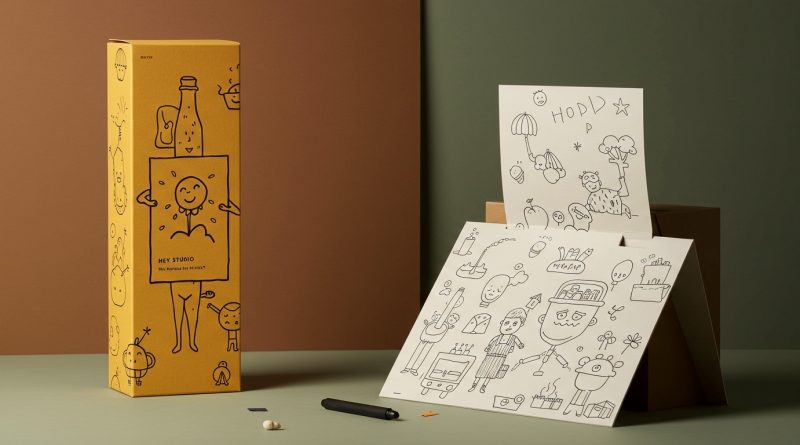
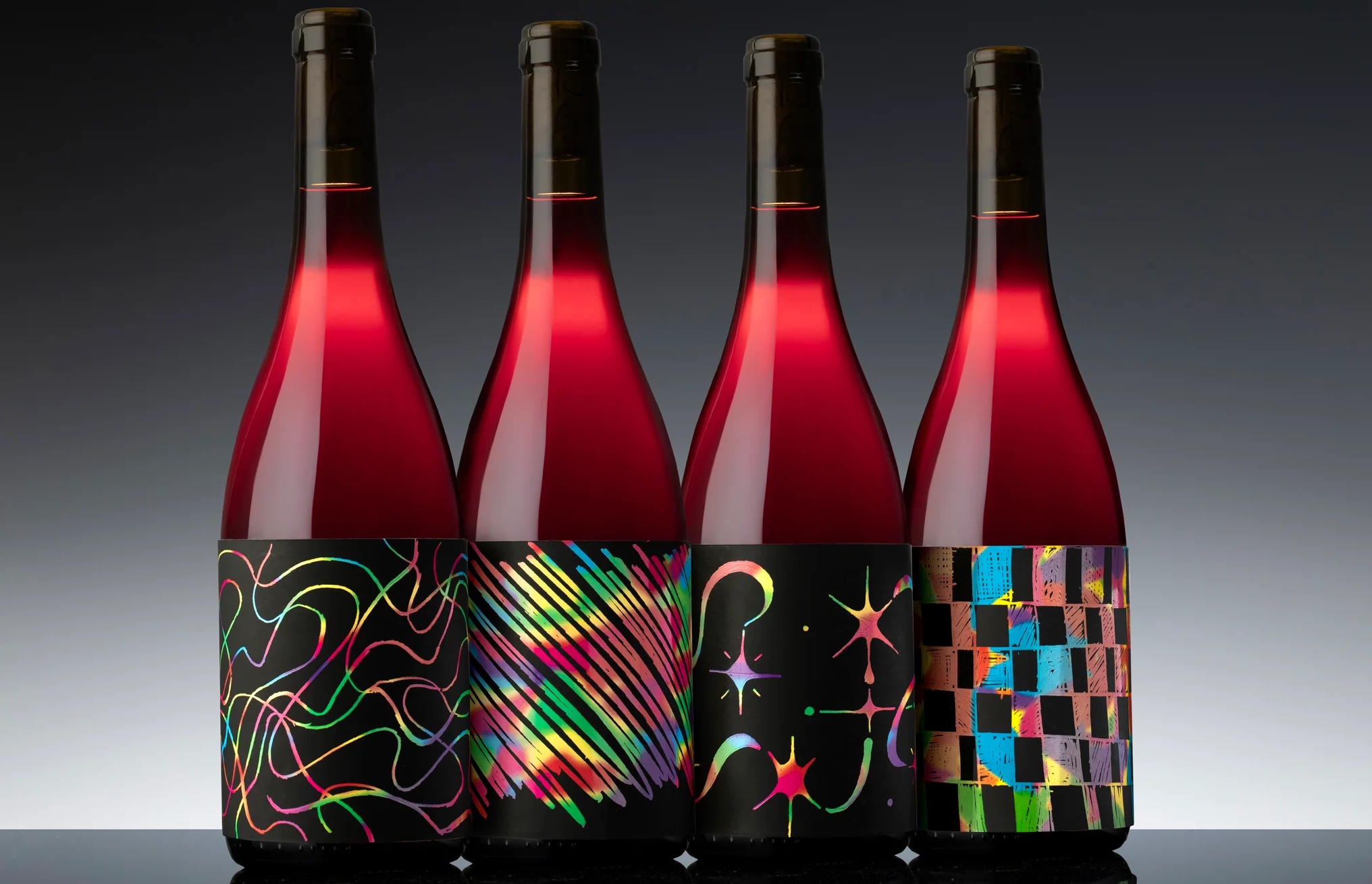
Hey Studio’s whimsical wine label encourages consumers to draw directly on the packaging.
This direct invitation to interact with a product’s packaging reflects a growing pattern across diverse categories. Brands are moving beyond passive aesthetic appeal, recognizing that design can foster participation and connection. This shift emphasizes packaging as a physical touchpoint for memory-making and emotional engagement, rather than just a protective or informational layer. The strategy aims to transform the brief moment of unboxing or initial encounter into a more personal, extended experience, enhancing its tactile branding.
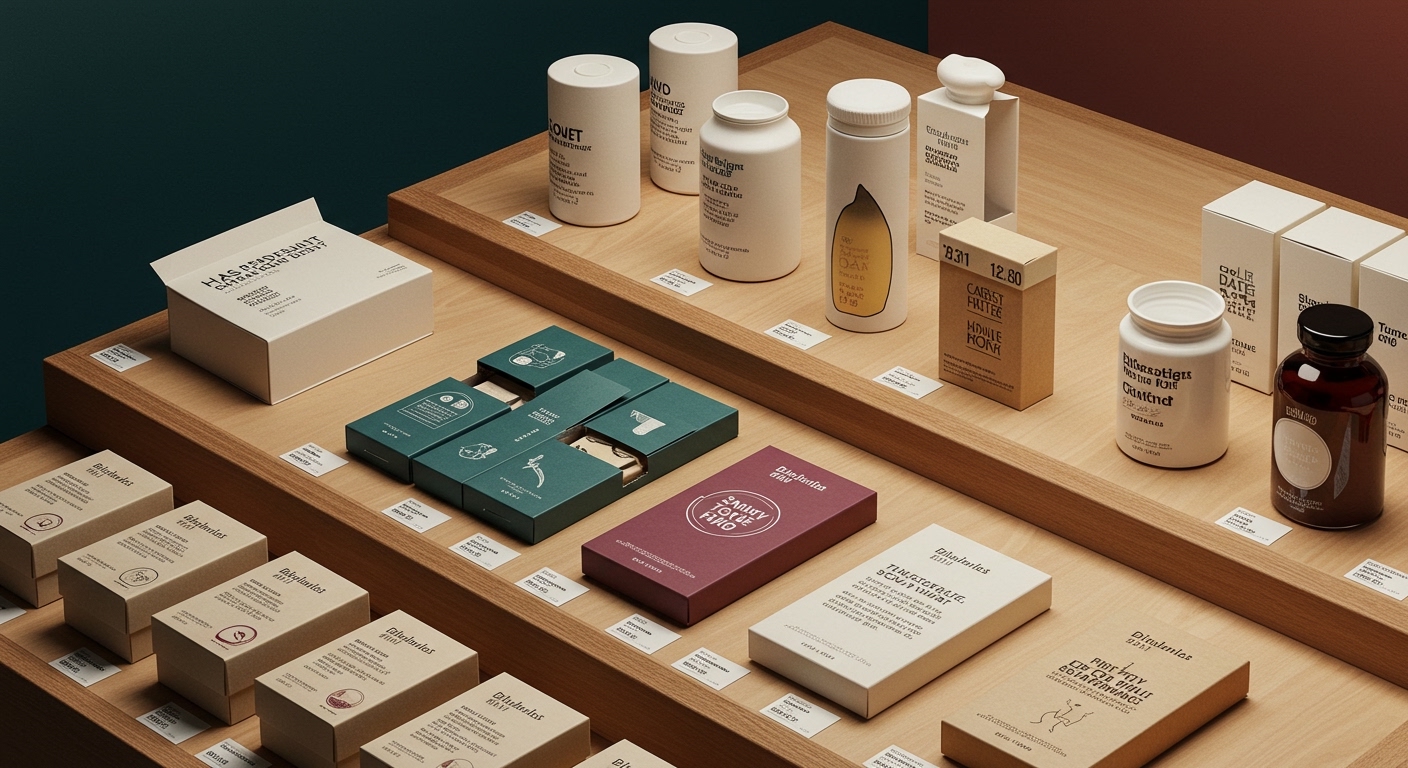
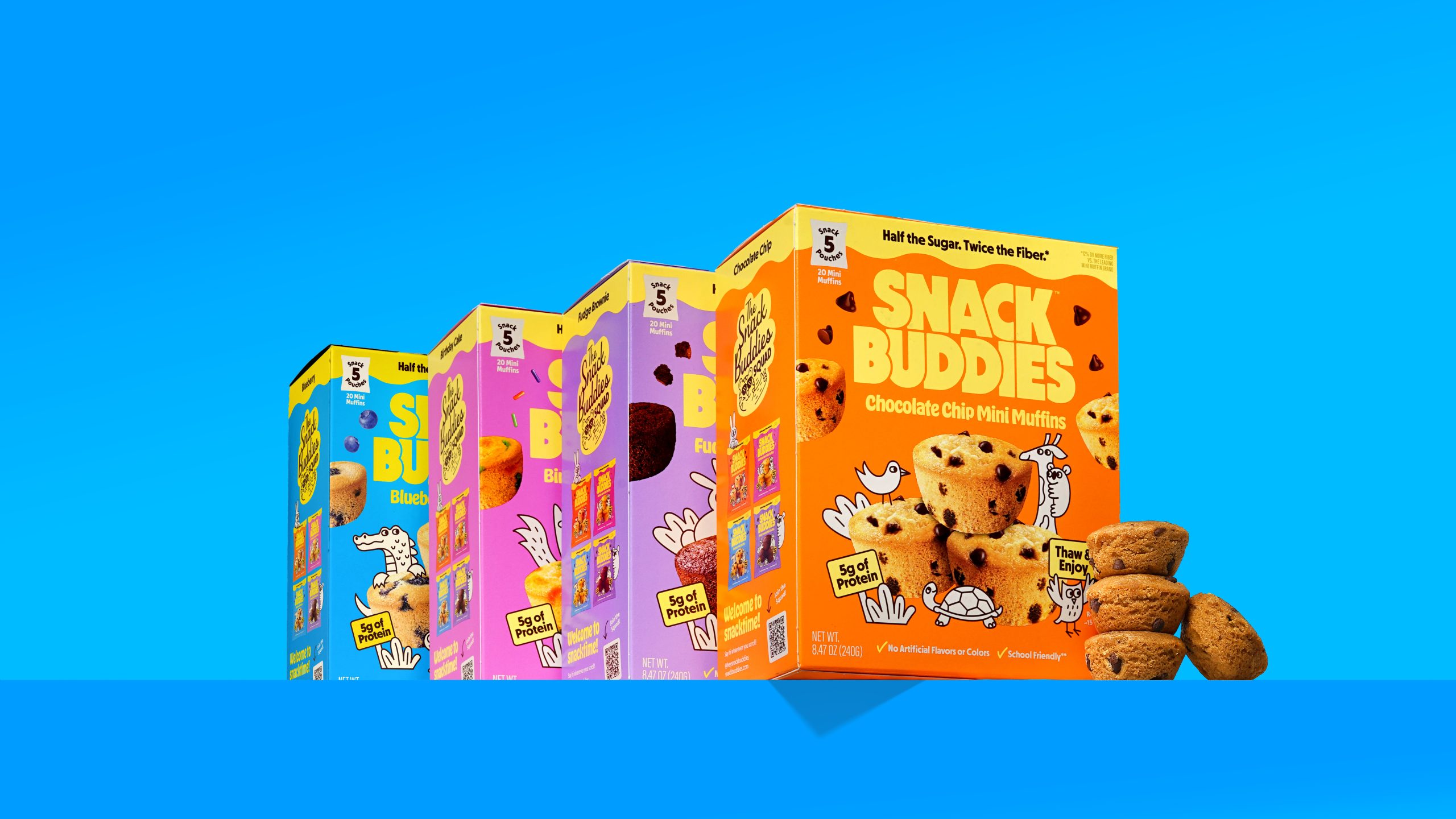
Break Maiden’s work for Snack Buddies illustrates a deeper strategic play than simply appealing to children with hand-drawn characters. By developing a full cast and flavor-coded colors, the studio imbues the packaging with narrative potential, allowing parents to approve “better for you” snacking while children engage with an evolving story. Conventional wisdom often prioritizes instant recognition and clear benefit communication on shelf, particularly for parent-targeted products. However, the true value here lies in building a relationship after the purchase, extending brand interaction into the home. This contradicts the mainstream industry’s overreliance on packaging as purely a static sales tool. The industry often undervalues the role of post-purchase tactile and interactive elements in fostering brand loyalty. This approach suggests packaging is increasingly an interactive platform, not just a container.
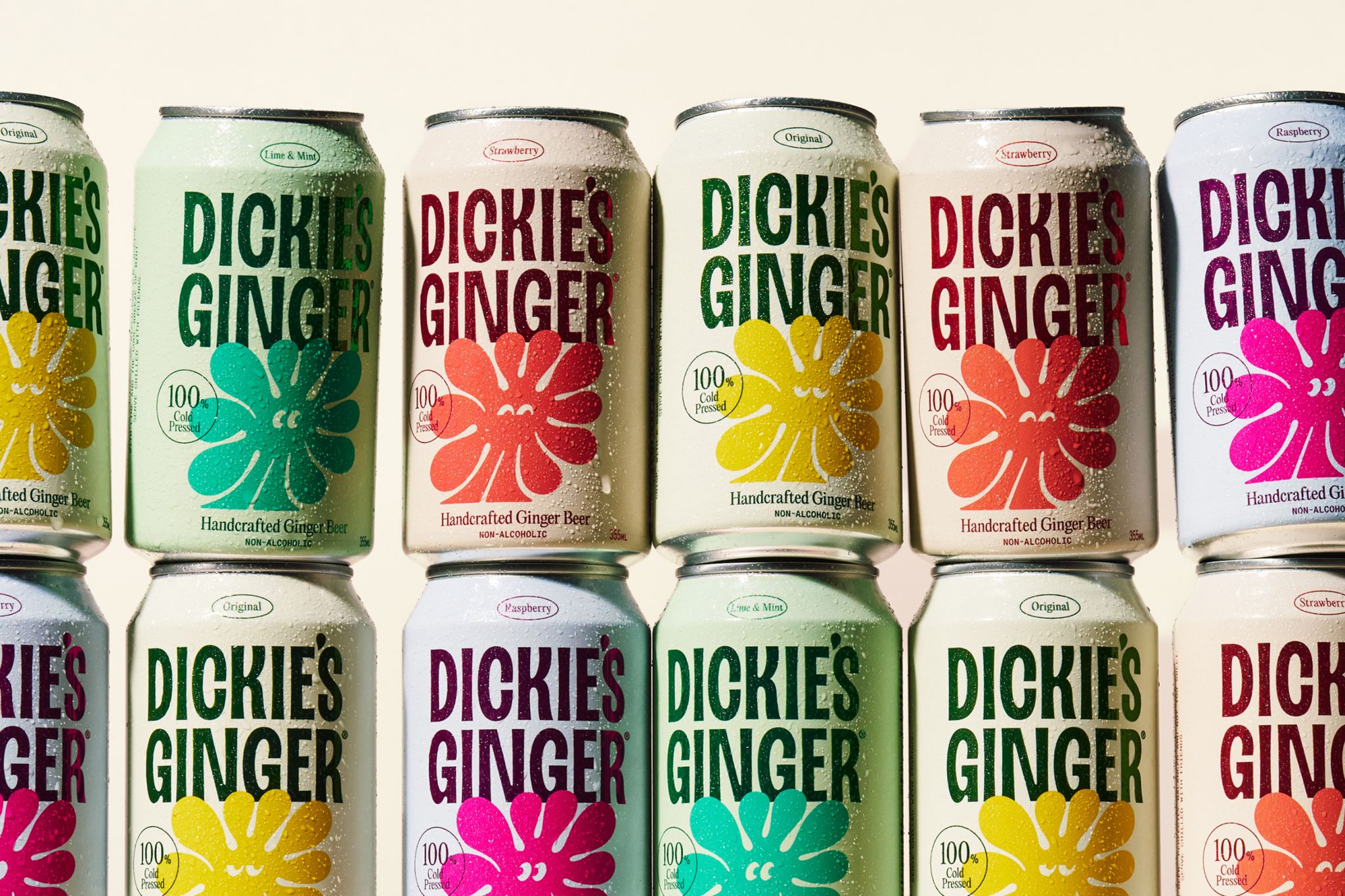
This focus on an expanded brand journey means sustainable materials must also evolve beyond their eco-credentials to support this interactive paradigm. Simply choosing a recycled pulp is insufficient if the material degrades the tactile experience or prevents personal customization. Packaging professionals often view sustainable materials as a constraint on design or a premium feature to be advertised. However, within two years, expect to see advancements in bio-based polymers and compostable papers specifically engineered for enhanced durability and printability that facilitate user interaction—whether drawing, personalizing, or reusing. These materials will need to maintain structural integrity and a pleasant haptic quality over multiple interactions, supporting an unboxing experience that encourages retention and secondary engagement rather than immediate disposal. Brands will seek materials that enable a richer sensory experience, not just reduce environmental impact.
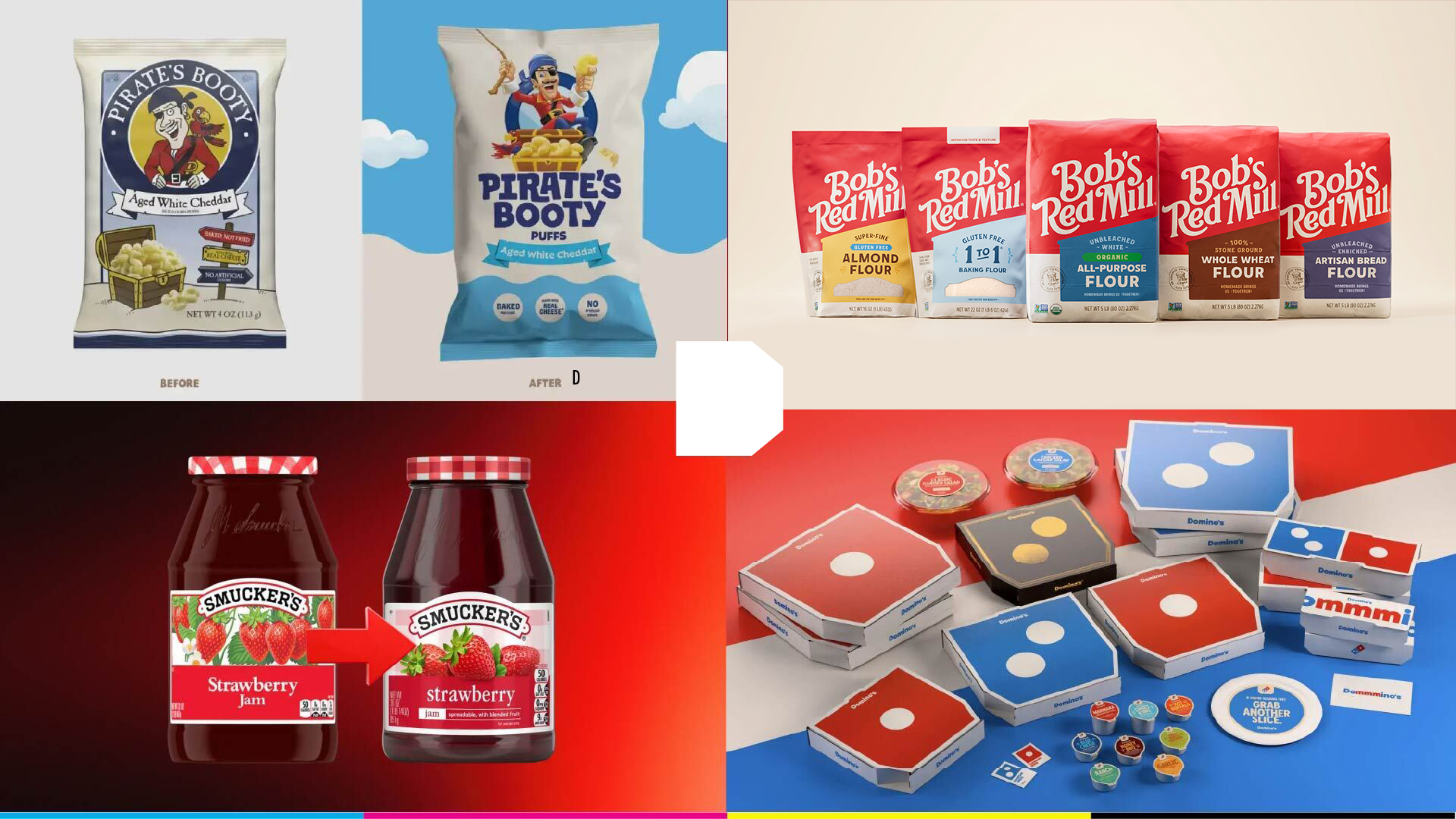
The primary resistance to this interactive and emotionally driven packaging comes from operational logistics and cost structures. Mass production lines are optimized for speed and uniformity, not for labels designed to be drawn upon or materials that encourage multi-stage interaction. Furthermore, procurement departments often prioritize material cost and supply chain simplicity over the nuanced tactile properties or interactive potential of more innovative sustainable options. The public pressure against redesigns also plays a role, creating a chilling effect where designers may shy away from truly novel or unconventional approaches for fear of immediate backlash against anything perceived as a departure from established norms, regardless of its deeper intent.
A working packaging professional should initiate cross-departmental workshops involving marketing, R&D, and supply chain teams. These sessions should identify specific consumer touchpoints post-purchase where packaging could facilitate interaction or extend brand engagement. Instead of solely evaluating material choices based on cost and environmental metrics, criteria should expand to include “interactive potential” and “sensory quality,” exploring how a material supports user engagement rather than just protecting the product. This means actively seeking out sustainable material suppliers who are developing substrates with unique haptics or print receptivity for interactive designs.
TL;DR
Packaging design is shifting from static shelf appeal to interactive, post-purchase engagement enabled by thoughtful material choices and sensory experiences.
Curated References
About this editorial — This piece was developed using AI-assisted research and curation across multiple industry sources. All analysis, opinions, and predictions represent the editorial perspective of JHDD. Sources are linked in the references section above.