JHDD Packaging Report — 2026.06.13
The retail brief is no longer the sole arbiter of packaging’s value; the digital unboxing now dictates its strategic worth.
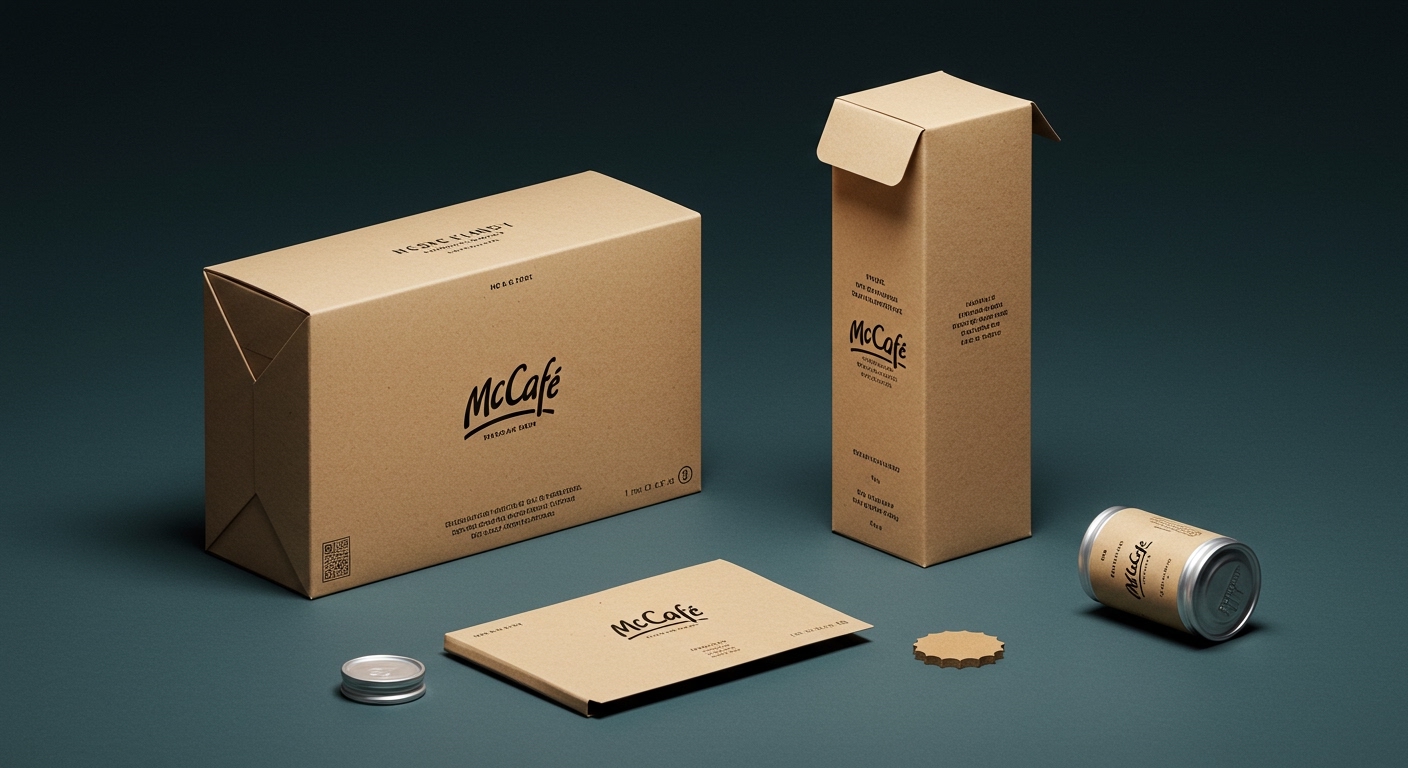
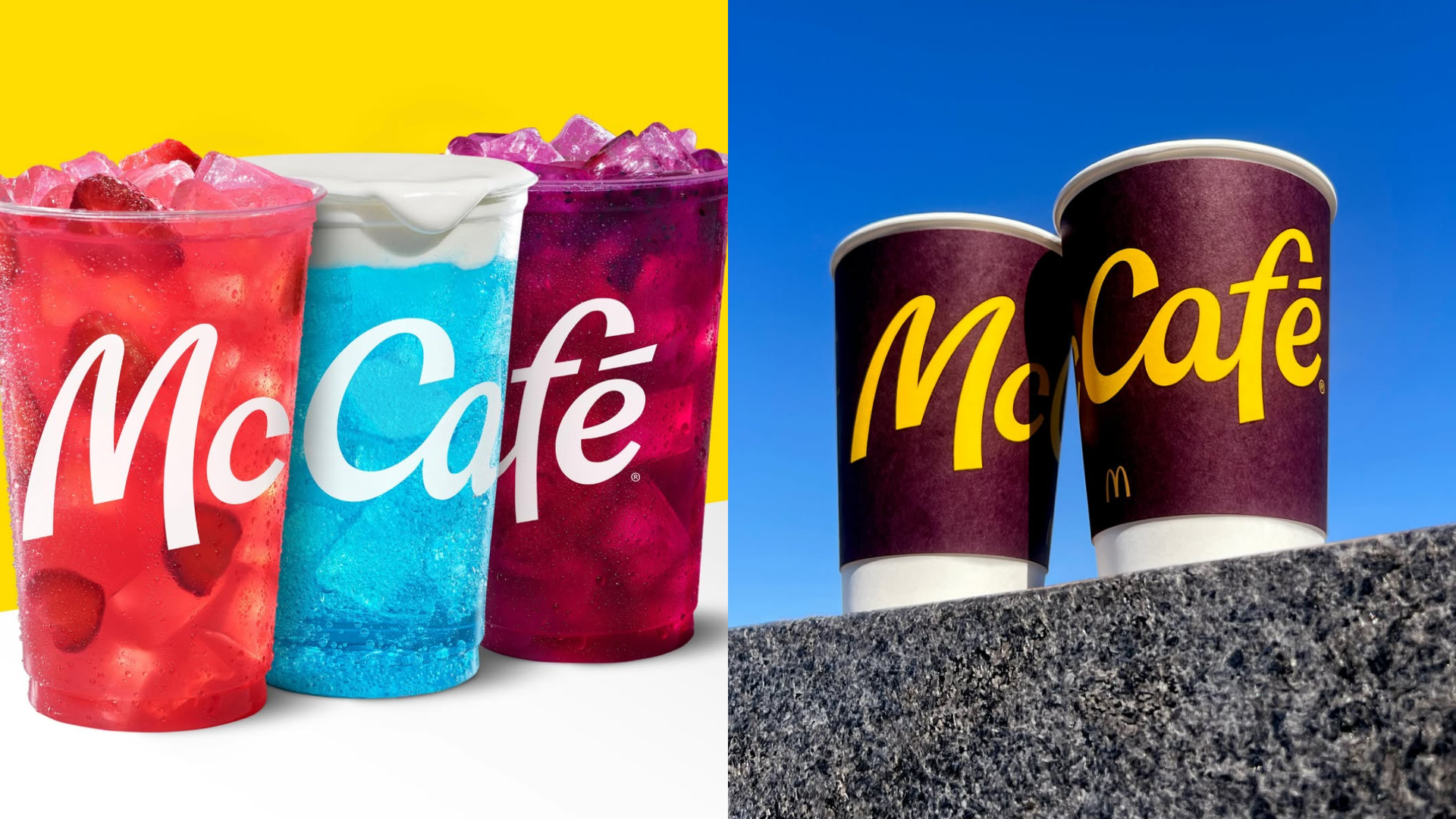
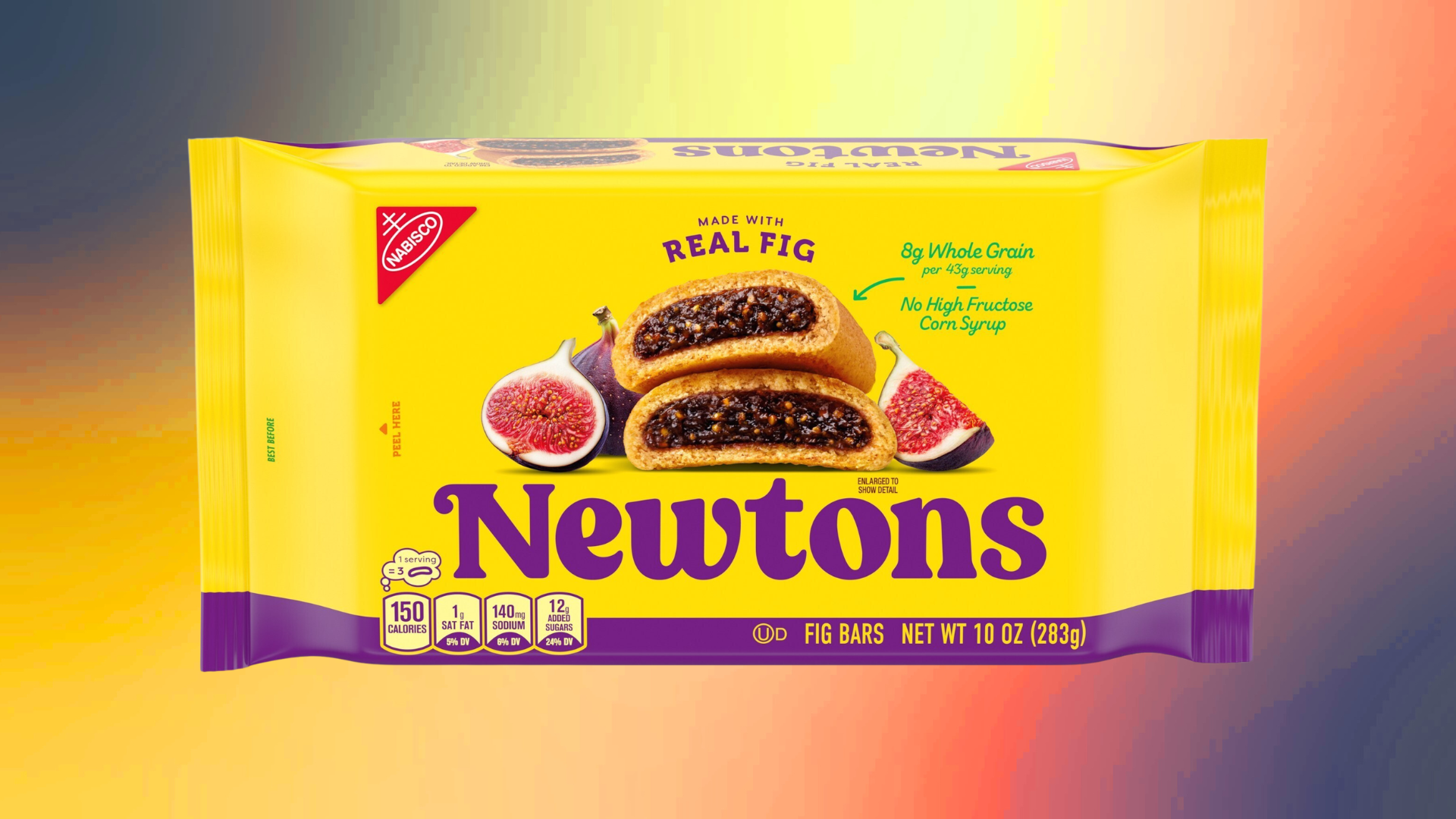
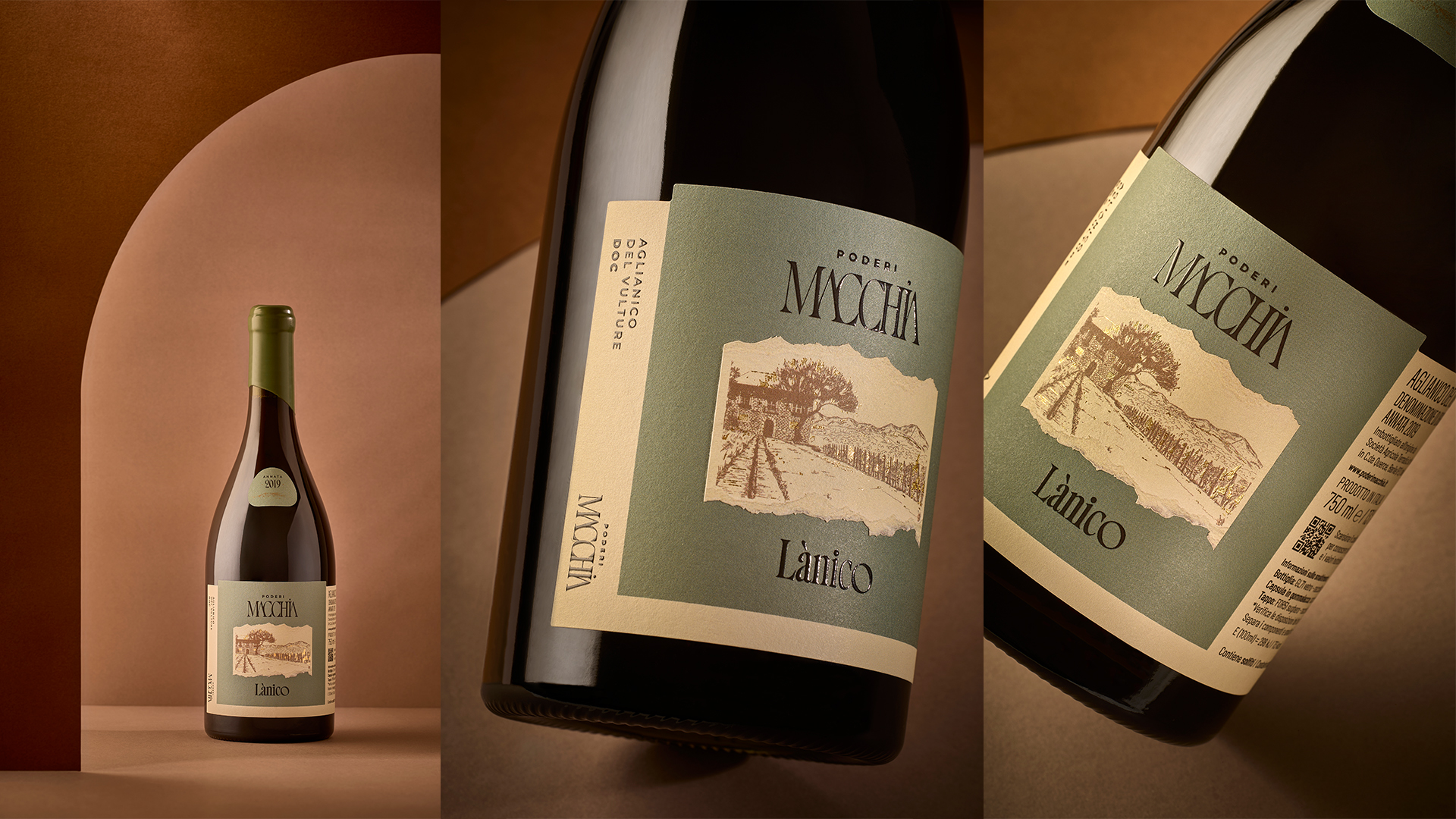
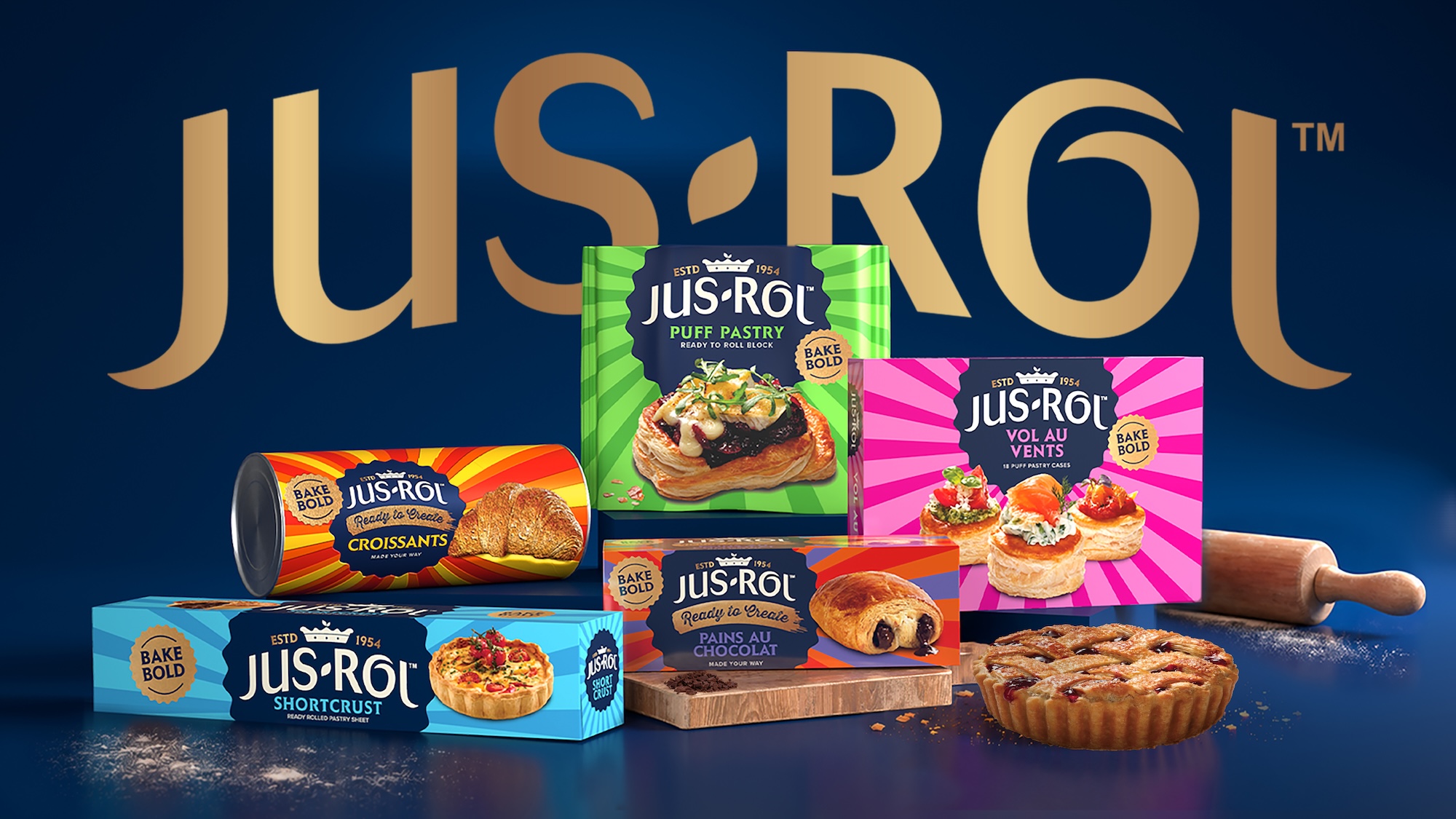
Across these diverse updates—from McCafe’s subtle brand evolution and Newtons’ youth-oriented revitalization to Jus-Rol’s sunshine-infused pastry identity, Coca-Cola’s collectible can campaign, and Poderi Macchia’s architecturally inspired wine labels—a singular, seismic shift is underway. This isn’t merely about aesthetic updates or material changes; it’s the fundamental redefinition of packaging’s role as a dynamic content engine. The underlying force is the decoupling of a product’s physical presence from its primary communication channel. Brands are no longer just selling a tangible item; they are seeding a shareable, digitally discoverable experience that begins with the package but extends far beyond the retail shelf. The physical pack is becoming a gateway, a tangible anchor for a much larger, ephemeral digital narrative.
Beneath the surface, the commoditization of shelf appeal is pushing brands to leverage packaging as a deliberate friction point, intentionally designed to be interacted with and shared. This is particularly evident in initiatives like Coca-Cola’s World Cup cans. While seemingly a mass-market collectible, the true innovation lies in creating a standardized yet infinitely varied canvas that invites user-generated content and social media amplification. The inherent collectibility, driven by unique designs, fosters a sense of individual discovery within a global phenomenon, encouraging consumers to become active participants in the brand’s narrative. This contrasts sharply with the conventional wisdom that mass-produced goods must prioritize uniformity for efficiency. Instead, brands are finding that controlled heterogeneity, where a core design system allows for distinct variations, can unlock unprecedented levels of engagement. A prime example of this is the ongoing strategic pivot within the craft beverage sector. Consider, for instance, how brands like Tröegs Independent Brewing have consistently utilized their brewery’s artistic collaborations and limited-edition artwork on their packaging. This approach, by transforming the can or bottle into a piece of transient art, not only elevates shelf presence but crucially fuels an immediate, passionate response on platforms like Instagram and Untappd. The physical object becomes a catalyst for digital conversation, a deliberate strategy to extend brand life and cultivate a fiercely loyal community. Looking ahead, this trajectory suggests that by late 2025, the majority of successful consumer packaged goods launches will incorporate a mandated “shareable moment” within their packaging design, impacting everything from material choices to structural innovation.
The primary friction opposing this shift lies in the inertia of legacy manufacturing processes and the ingrained risk aversion within established corporate structures. Companies, deeply invested in decades-old machinery and established supply chains, struggle to adapt to the rapid iteration cycles and the demand for variable data printing or complex structural integrations required by these new content-driven packaging strategies. The sheer capital investment in existing infrastructure acts as a powerful brake, favoring incremental improvements over the radical rethinking necessary to fully embrace packaging as a digital content engine. This tension highlights a fundamental disconnect: the agile, digitally native consumer versus the comparatively ponderous, physically anchored manufacturer.
For a working packaging professional this week, the actionable takeaway is to begin architecting the “second life” of the package during the initial design phase. This means actively questioning how a package can be easily photographed, how its unique features can be highlighted in a social media context, and how its material composition can facilitate a positive post-consumption digital interaction, whether through recycling QR codes or simply being aesthetically pleasing enough to warrant a share.
TL;DR
Packaging’s value has irrevocably shifted from shelf presence to shareable digital unboxing experiences, making the physical pack a dynamic content engine.
Curated References

About this editorial — This piece was developed using AI-assisted research and curation across multiple industry sources. All analysis, opinions, and predictions represent the editorial perspective of JHDD. Sources are linked in the references section above.