JHDD Packaging Report — 2026.06.08
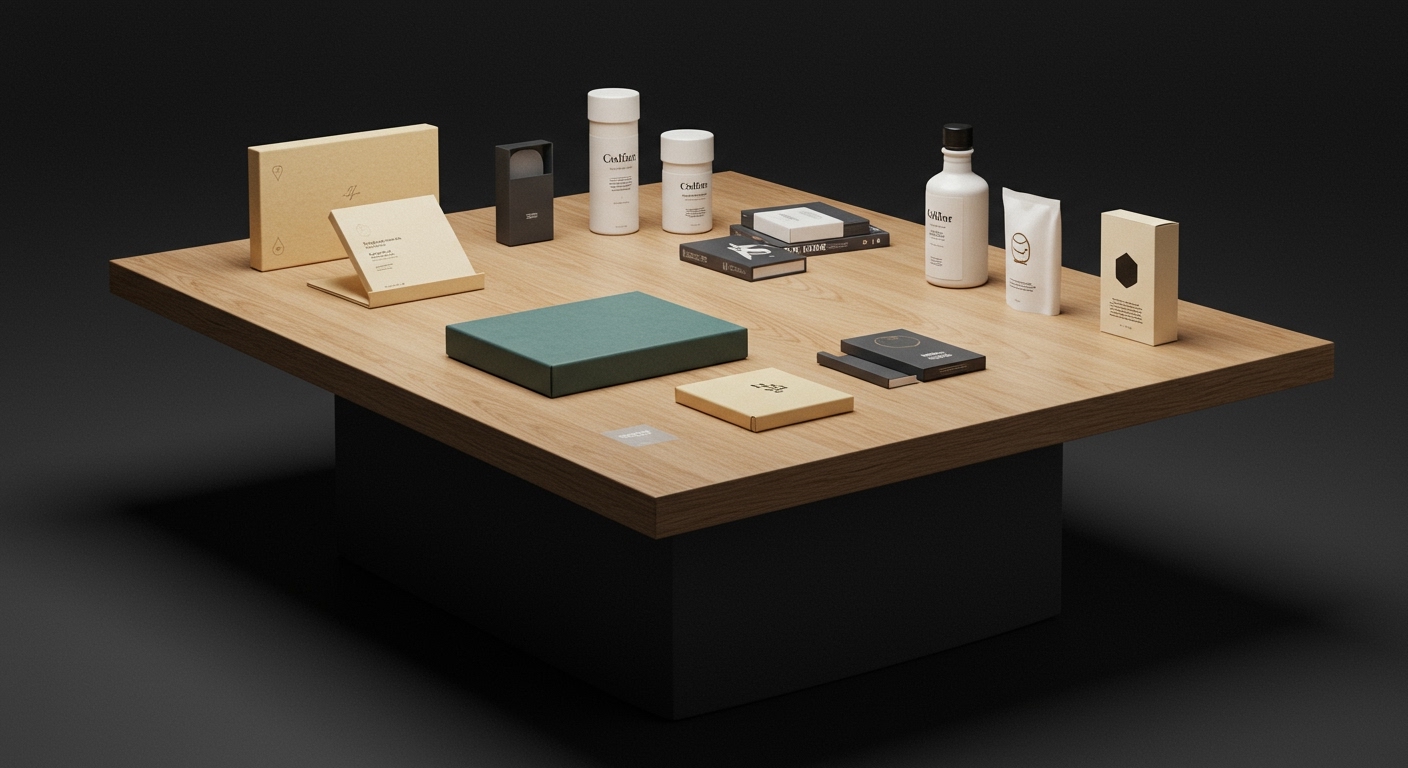
The retail brief is the only thing preventing packaging agencies from achieving true dimensional storytelling.
A confluence of subtle yet powerful shifts is reshaping how brands connect with consumers on the shelf and beyond. The news items, while disparate in subject matter – from beer collaborations and premium olive oil to folk art beer cans, plastic awareness campaigns, and a new reuse symbol – collectively point to a fundamental reevaluation of packaging’s role. This isn’t merely about aesthetics or sustainability in isolation; it’s about the emergence of an integrated sensory narrative that transcends the flat plane of a label. The underlying force is the rise of “Ambient Branding,” where the packaging’s presence, tactility, and implied lifecycle actively communicate brand values and create an immediate, often subconscious, sensory impression that lingers long after the primary consumption experience. Ambient Branding recognizes that packaging is no longer just a container; it’s an environmental signifier, a tactile ambassador, and a silent storyteller that operates in the periphery of conscious thought.
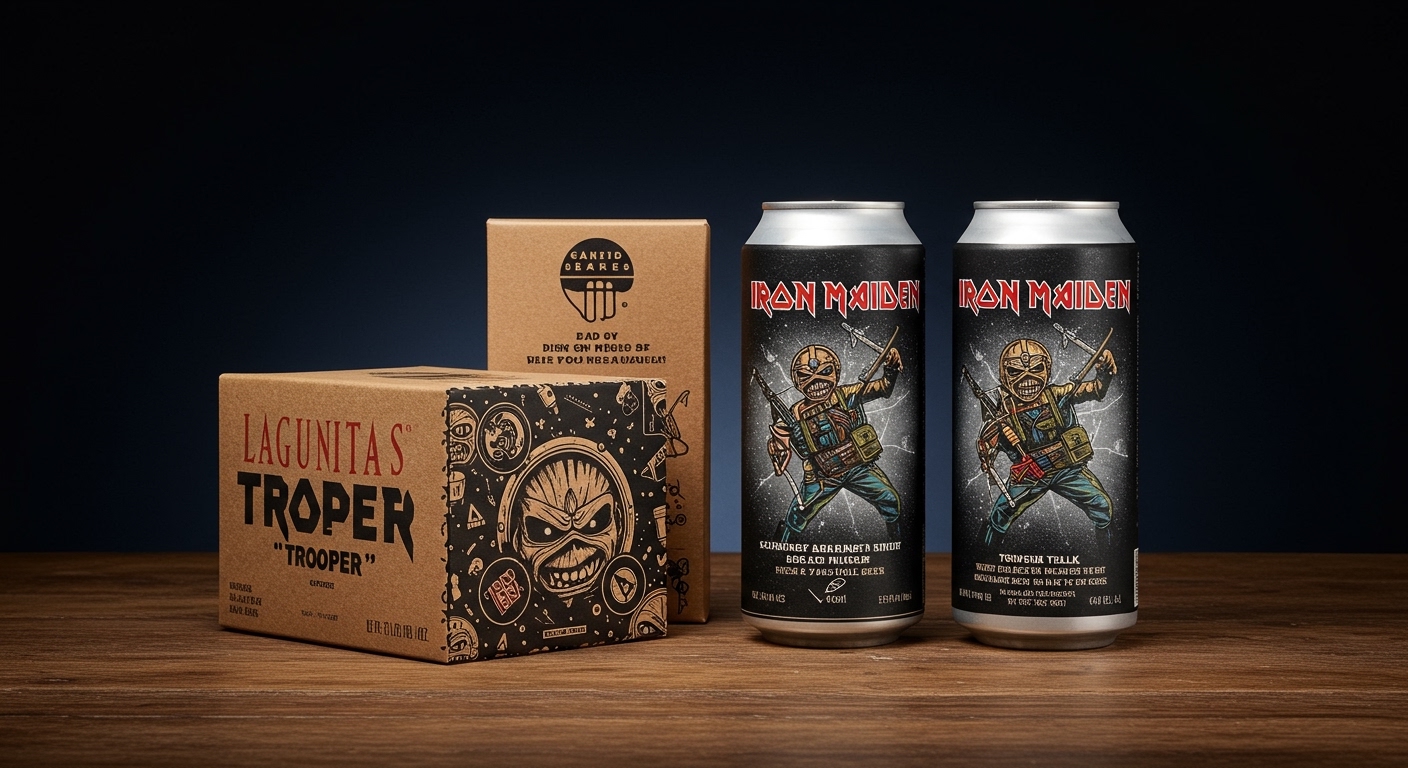
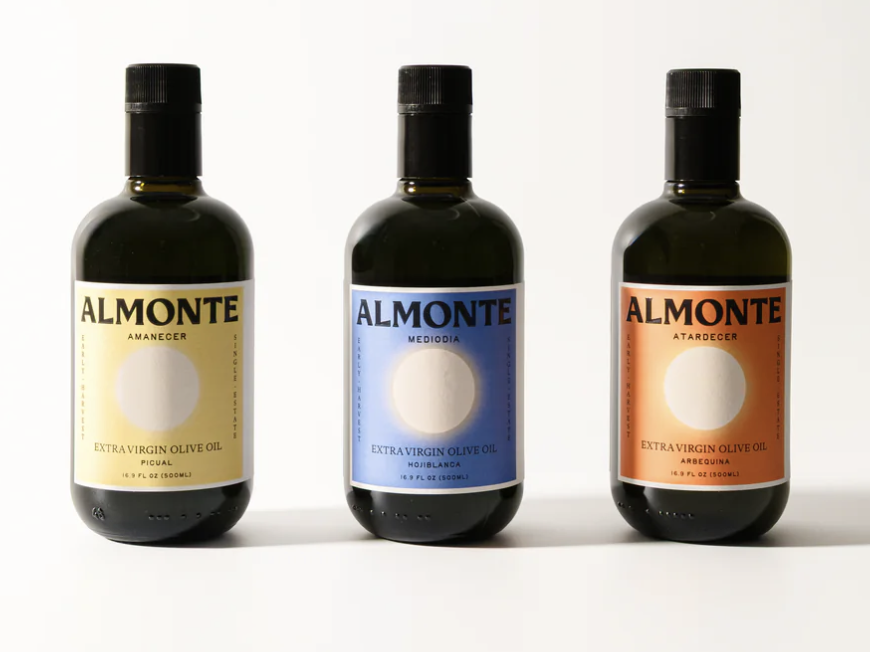
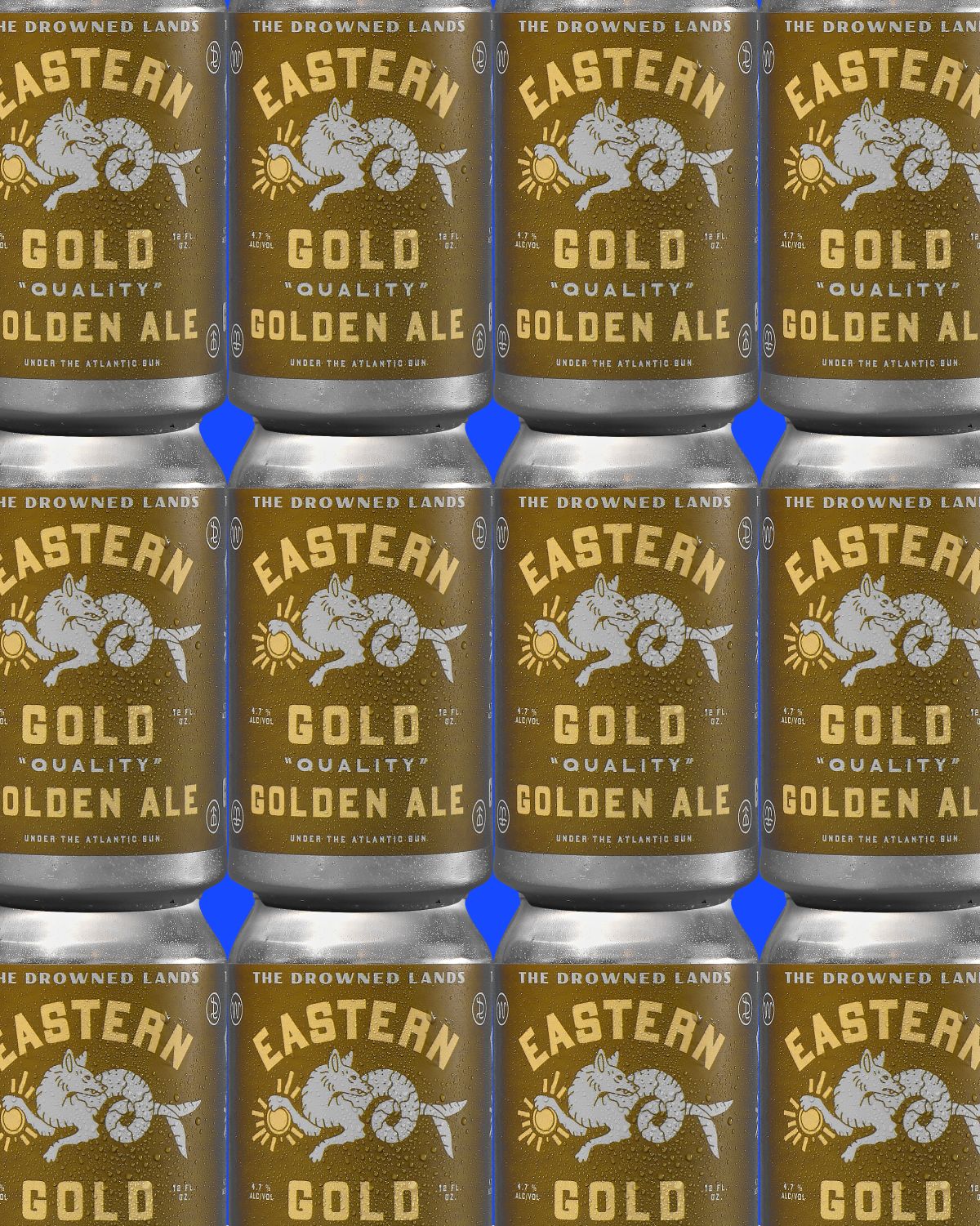
Beneath this trend lies a deliberate move away from fleeting visual trends towards enduring material and structural intelligence. Brands are increasingly recognizing that the tactile experience and the inherent narrative of a material can provide a more profound and lasting connection than a purely graphic approach. Consider the artisanal approach of brands like The Drowned Lands, whose Eastern Gold ale can, designed by Young Jerks, evokes a sense of history and place not just through its distressed folk art aesthetic but also through the implied texture and weight of its presentation, making it feel as though it has an inherent story to tell before it’s even opened. This is a direct counterpoint to the mainstream industry’s persistent focus on optimizing digital-first visual assets and chasing fleeting graphic novelty. The true opportunity lies in leveraging material science and structural design to create enduring sensory anchors. For instance, the premium olive oil brand Almonte, through Prime Studio, uses color-coding not just for visual appeal but to map varietal and provenance – a tangible system that elevates the entire unboxing and usage ritual. This demonstrates a sophisticated understanding that shelf impact is increasingly derived from an honest and informative tactile and structural language. By late 2027, the most successful challenger brands will have replaced at least 30% of their graphic design spend with material and structural innovation budgets, specifically targeting enhanced tactile feedback and lifecycle communication.
The friction in this evolution is driven by the inertia of established production paradigms and the widespread misconception of sustainability as a purely cost-optimization exercise. Many legacy manufacturers and even some design agencies remain entrenched in the language of print runs, CMYK values, and rapid design iteration cycles that prioritize speed and volume over thoughtful material engagement. This resistance often manifests as a fear of investing in new tooling, complex structural forms, or novel material integrations that don’t immediately translate to the same production efficiencies as conventional methods. The pushback is often framed as a pragmatic concern for scalability and cost-effectiveness, but it fundamentally underestimates the long-term brand equity generated by a truly immersive and responsibly designed package. The industry is still grappling with the idea that a slightly higher upfront investment in material innovation or structural complexity can yield disproportionately greater returns in consumer loyalty and brand perception.
What a working Packaging professional can do differently this week is to actively advocate for and prototype at least one structural or material tactile enhancement for an upcoming project, even if it feels like a small departure from the original brief. This might involve exploring micro-embossing techniques for a specific logo, testing a subtly textured paperboard stock for a secondary packaging component, or designing a simple, reusable closure mechanism that adds a satisfying click or snap upon opening. The goal is to move beyond purely visual considerations and introduce a dimension of physical interaction that reinforces the brand’s narrative and value proposition.
The true measure of packaging’s future lies not in its graphic novelty but in its material integrity and sensory depth.
TL;DR
The future of packaging lies in ambient branding, where tactile and structural narratives, not just graphics, will dictate shelf impact and consumer connection.
Curated References


About this editorial — This piece was developed using AI-assisted research and curation across multiple industry sources. All analysis, opinions, and predictions represent the editorial perspective of JHDD. Sources are linked in the references section above.