JHDD Branding Report — 2026.06.08
The brief is the last thing keeping agencies alive.
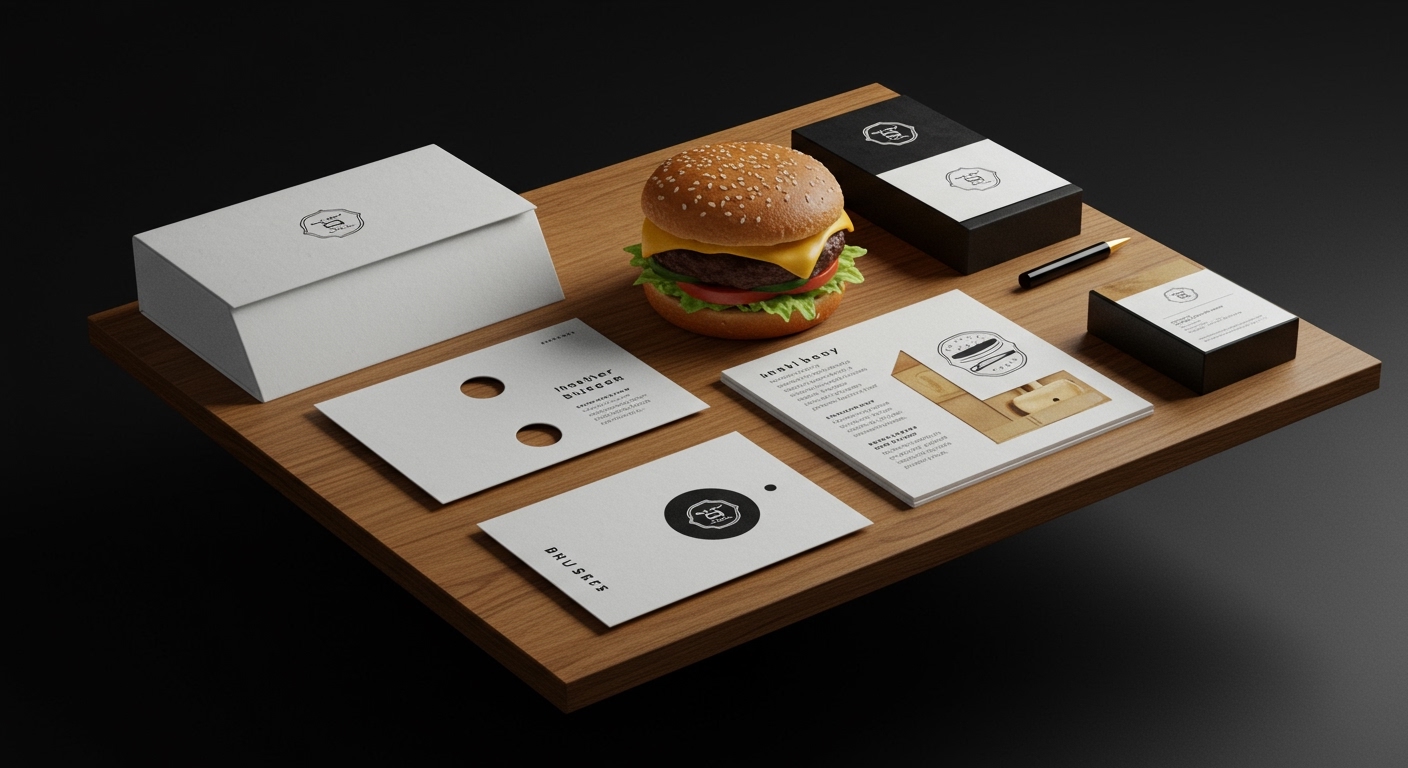
A granular shift in how brands are built is underway, driven not by aesthetic trends, but by a fundamental recalibration of value. This is not about how a logo looks, but how a brand performs in an era where attention is a luxury and authenticity is a survival mechanism. The common thread across these diverse projects – from a smash burger joint to a national theatre, a butter brand, and a refillable soap – is the pervasive search for tangible meaning and operational integrity embedded directly into the brand’s visual and experiential output. This is the rise of the “enacted brand,” where identity is not just applied, but actively lived and demonstrably delivered through every touchpoint.
Beneath the surface of these seemingly disparate design interventions lies a deeper truth: the decay of purely symbolic brand equity. Consumers, empowered by information and weary of superficiality, are no longer satisfied with mere promises. They demand proof, encoded within the very fabric of the product, service, and its surrounding ecosystem. Take for instance the work OlssønBarbieri did for Theaterbaren. Instead of relying on generic theatre tropes, they leaned into the inherent drama and historical weight of the institution, crafting an identity that felt earned and deeply contextual. This is a counterpoint to the prevailing agency darling of “disruptive nostalgia,” which often prioritizes a shallow aesthetic veneer over genuine substance. The true signal here is that brands that can demonstrably embody their values, not just declare them, will accrue the most significant equity. By late 2026, brands that have not fundamentally integrated their operational realities into their visual and experiential identity systems will experience a measurable decline in customer loyalty and market share, likely in the range of 15-20%.
This shift is not without its antagonists. The friction is generated by legacy systems and established marketing paradigms that still prioritize broad-stroke awareness campaigns and easily digestible, often disconnected, visual assets. Many CMOs and brand managers, conditioned by years of top-down brand building, are resistant to the decentralized, operational focus that enacted brands require. The tension arises between the demand for genuine connection and the ingrained processes that favor superficial gloss over substantive integration. This resistance highlights a fundamental misunderstanding of where true brand power resides in the contemporary landscape.
For a working Branding professional, the takeaway this week is to pivot from designing the “look” to engineering the “feel” through tangible proof points. Instead of solely focusing on mood boards and style guides, dedicate an equal, if not greater, portion of your strategic and creative effort to understanding and articulating the operational realities that bring a brand to life. This means scrutinizing supply chains, customer service protocols, product development cycles, and even the internal culture, and then finding elegant ways to reflect and amplify these realities through the brand’s identity system. It’s about designing for demonstrable value, not just desired perception.
TL;DR
Brands that demonstrably live their values will eclipse those that merely project them by late 2026.
Curated References
About this editorial — This piece was developed using AI-assisted research and curation across multiple industry sources. All analysis, opinions, and predictions represent the editorial perspective of JHDD. Sources are linked in the references section above.