JHDD Interior Report — 2026.07.05
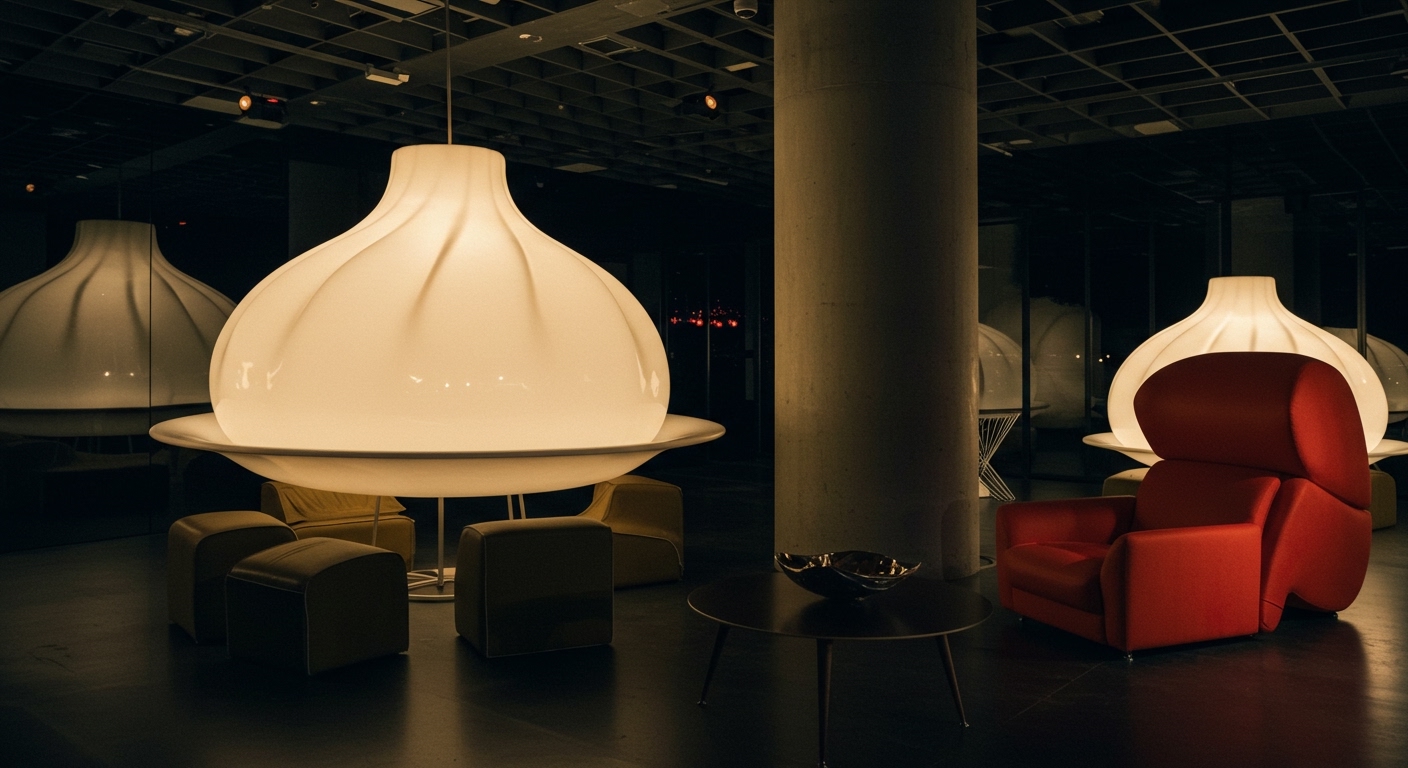
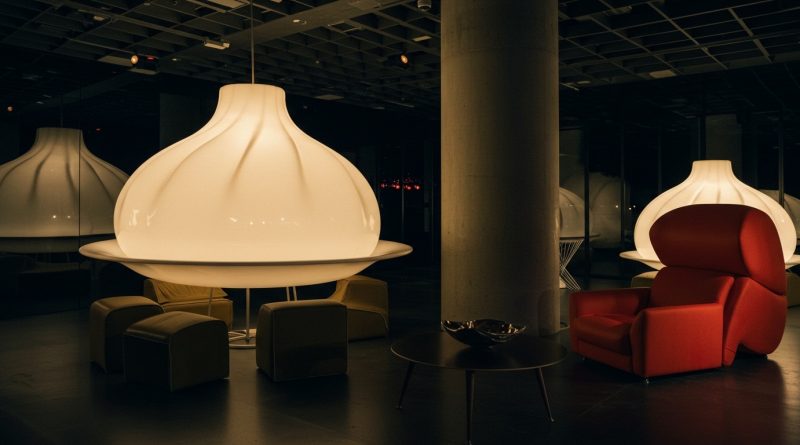
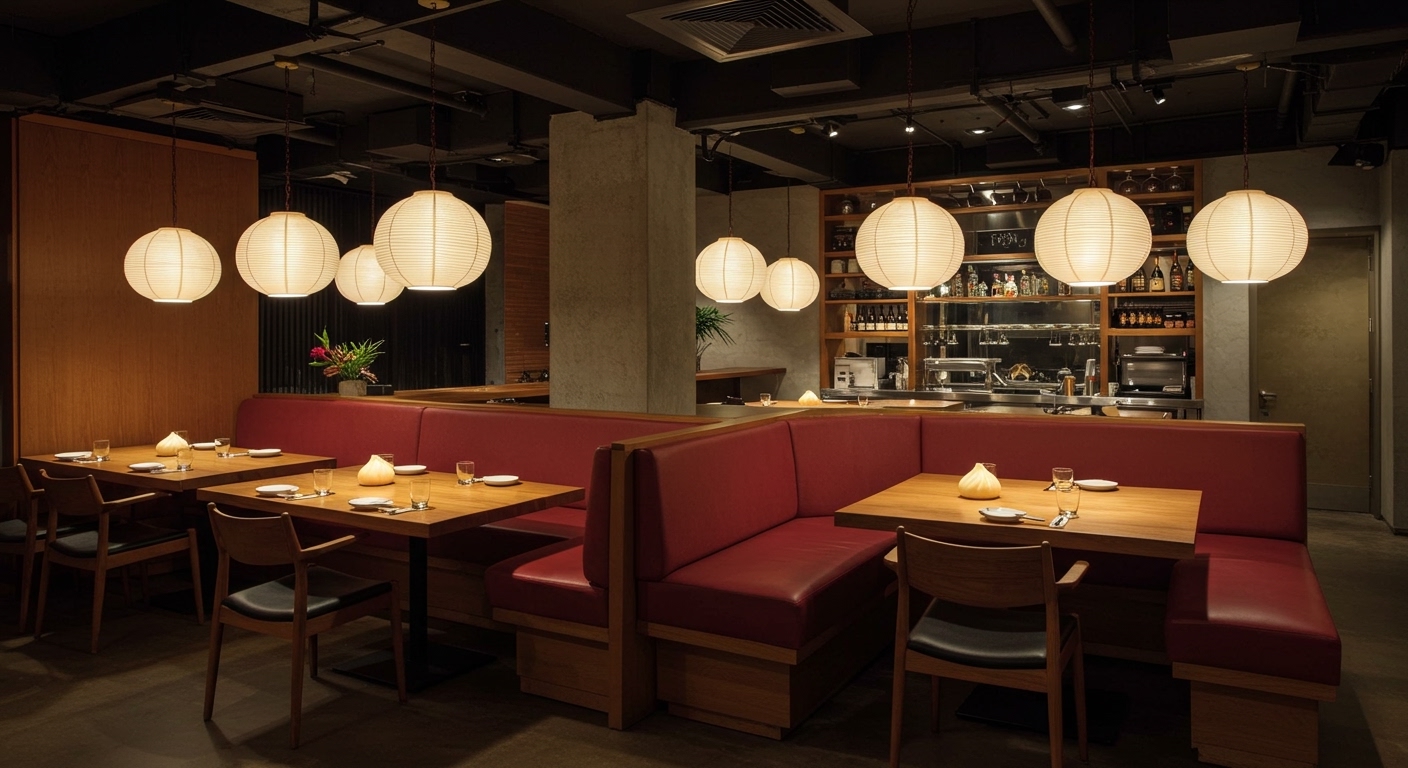
Open Studio’s gigantic fibreglass “half-dipped dumpling” lamp for Dumpling Darlings in Singapore actively redefines the threshold between the street and a dining experience.
These recent projects collectively demonstrate a nuanced re-evaluation of spatial identity, moving beyond conventional programmatic definitions. Whether transforming a restaurant into an art installation, a hostel into an intimate home, or an office into a social bar, designers are deploying highly specific material interventions to sculpt human perception and interaction. The common thread is a deliberate, often dramatic, manipulation of scale and texture to evoke a particular emotional register, shifting how occupants perceive space and their role within it. The traditional boundaries between public and private, work and leisure, or consumption and contemplation are purposefully blurred through material choices and their immediate tactile and visual impact.
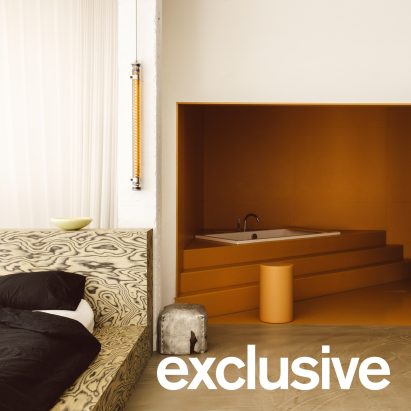
Sabine Marcelis’s Rotterdam loft apartment exemplifies this strategic blurring through its continuous material evolution. Her self-designed resin bathtub and three-metre-tall lava lamp are not static design elements but active participants in the apartment’s adaptable identity, reflecting her belief that the space should “forever evolve” with her life. This approach counters the mainstream industry’s persistent emphasis on completed, immutable projects or rapidly consumable trend cycles focused purely on aesthetics. Marcelis demonstrates that true luxury in residential design now resides in a space’s capacity for authentic, responsive material transformation, resisting the pressure for instant, fixed perfection. The tactile qualities of resin, its smooth yet robust surface, and its translucent depth, allow for a dynamic play of light and form that shifts with occupancy and time, encouraging occupants to physically engage rather than merely observe. This deliberate manipulation of material creates zones of distinct spatial tension, where the monumental scale of the lava lamp acts as both a visual anchor and a kinetic element, influencing pedestrian movement and interaction within the open-plan space.
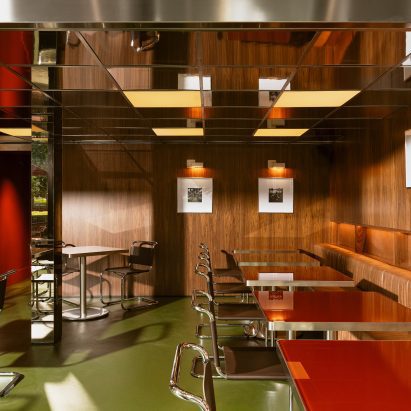
This material responsiveness directly challenges the notion that spatial longevity comes from rigid, timeless design. Instead, it suggests durability stems from a willingness to reconfigure and reinterpret, fostering a more intimate connection between people and their environment. Consider also Fabio Fantolino’s Lève Office Bar in Turin, where 1960s office aesthetics – wood panelling, cantilever chairs, mirror-clad surfaces – are recontextualized. Here, the material palette, though retro, is specifically chosen to evoke a sense of nostalgic comfort while the reflective surfaces of mirrors intentionally break up and extend sightlines, impacting human flow and social dynamics in unexpected ways. Mainstream design often prioritizes a clean, minimalist aesthetic for adaptability, yet these examples achieve flexibility and engagement through bold, expressive material forms and narrative depth. By mid-2027, luxury residential and hospitality sectors will increasingly commission bespoke, materially expressive installations that are designed for intentional re-staging and adaptation by their occupants, valuing a lived-in, evolving narrative over static grandeur.
This shift is resisted by the established construction and fit-out industries, which are largely optimized for standardized, fixed installations and predictable material lifecycles, favoring efficiency and replicability over bespoke, evolving spatial narratives.
Interior professionals should this week initiate a comprehensive audit of their preferred material suppliers, specifically seeking out fabricators and artisans capable of custom commissions with unusual material properties and scalable, reconfigurable applications.
TL;DR
Spatial definitions are blurring, driven by specific, expressive material interventions that prioritize responsive human experience over static design.
Curated References

About this editorial — This piece was developed using AI-assisted research and curation across multiple industry sources. All analysis, opinions, and predictions represent the editorial perspective of JHDD. Sources are linked in the references section above.