JHDD Architecture Report — 2026.07.05
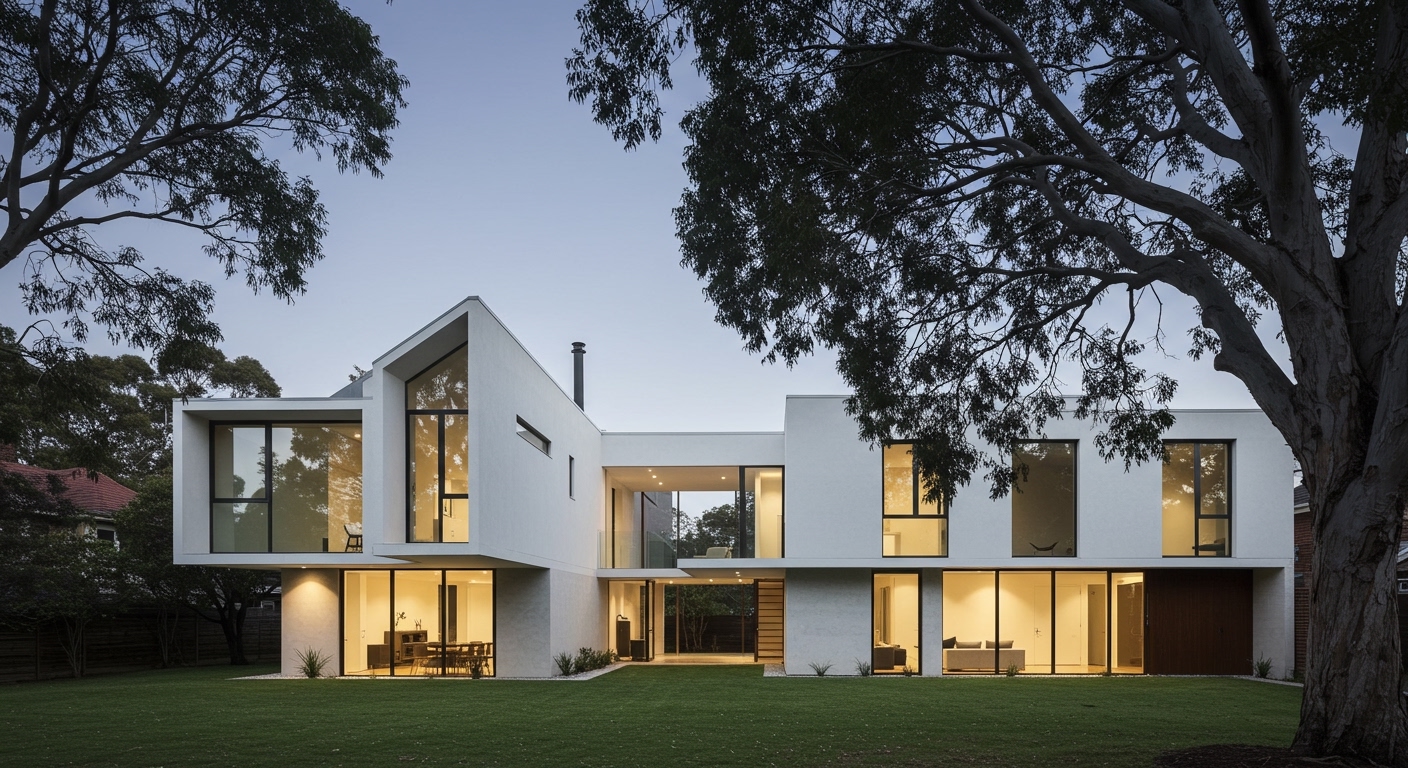
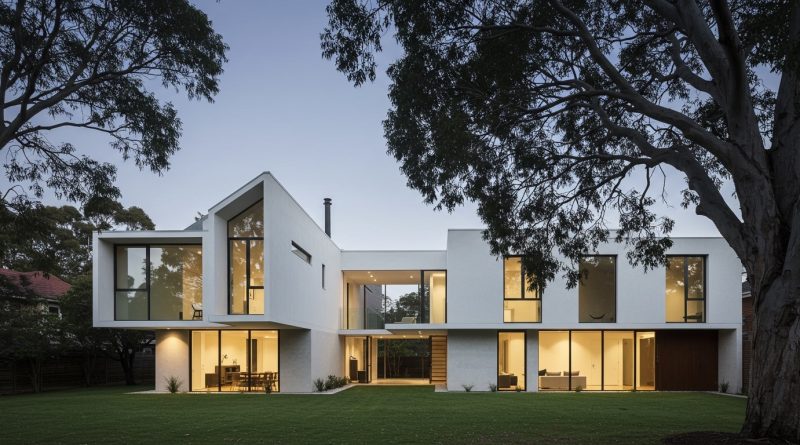
Ampuero Yutronic’s Bridle Path residence in Epsom shifts and intertwines two simple volumes in response to its suburban context. This approach, where a structure seeks identity without losing connection to its place, echoes through various recent architectural dialogues. From Common Wonder exploring the material dialogue between wood and stone in Amsterdam to the broader re-evaluation of vernacular knowledge as active tools rather than mere references, a quiet tension exists between genuine integration and superficial mimicry of context. Even Rick Owens’ response to record heatwaves with inflatable Adidas jogging suits, complete with built-in fans, shows an attempt to reconcile an interior experience with external conditions.
Ippolito Fleitz Group’s Wuxi MixC Mall exemplifies this tension. Its 360 shops and rooftop garden aim for “high sojourn quality” by blending “bustling activity with references to the region’s natural and cultural heritage, showing them like exhibits in a museum.” This framing, while aiming to connect Wuxi’s business district with local recreational areas, contradicts a core principle of material honesty and urban responsibility. Presenting heritage as curated exhibits prioritizes a commercial aesthetic over authentic structural and material integration, creating an artificial environment rather than fostering genuine urban fabric.
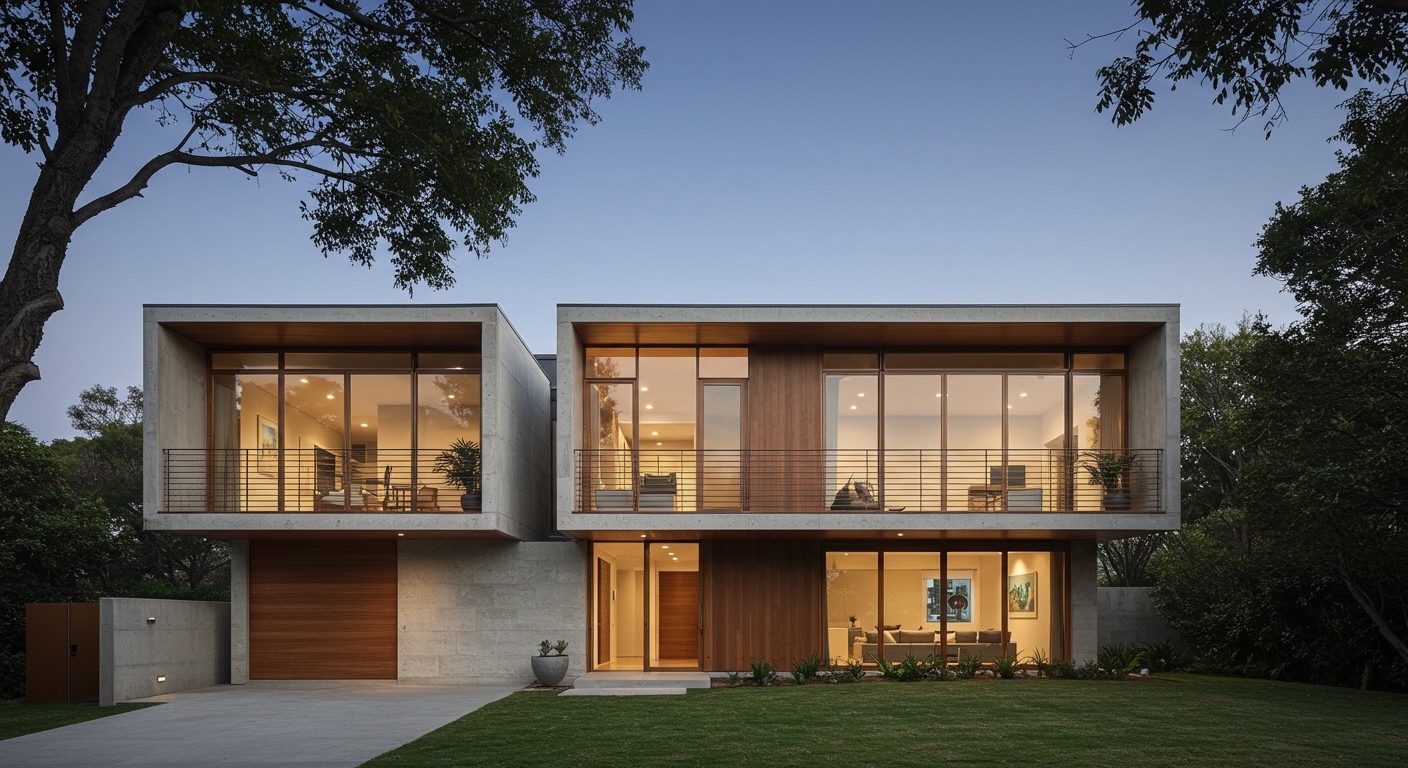
The industry often celebrates these large-scale retail developments for their supposed “multifunctionality” and “placemaking.” However, their true value in urban responsibility is questionable when they offer sanitized, climate-controlled consumption zones in place of dynamic, community-driven public spaces. The current trend towards such internally focused megastructures will likely face significant pushback within the next three years as urban planners and environmental advocates increasingly prioritize truly resilient public realms and local economic integration over simulated experiences.
The primary opposing force is the consolidated power of large-scale commercial developers, such as CR Land, and the financial models that incentivize rapid, high-density, interior-focused projects. These entities often prioritize short-term returns on investment and predictable consumer behavior, making them resistant to the perceived risks or longer timelines associated with deeper material research or vernacular integration.
Architecture professionals should actively challenge briefs that demand “local heritage” purely as decorative themes. Instead, they should research and propose local, materially-honest alternatives, exploring regional material supply chains and construction craft, drawing from the principles of “Building Forward” to use vernacular knowledge as practical solutions for contemporary challenges.
TL;DR
Commercial architecture frequently offers superficial interpretations of local context, challenging genuine urban and material responsibility.
Curated References

About this editorial — This piece was developed using AI-assisted research and curation across multiple industry sources. All analysis, opinions, and predictions represent the editorial perspective of JHDD. Sources are linked in the references section above.