JHDD Interior Report — 2026.07.01
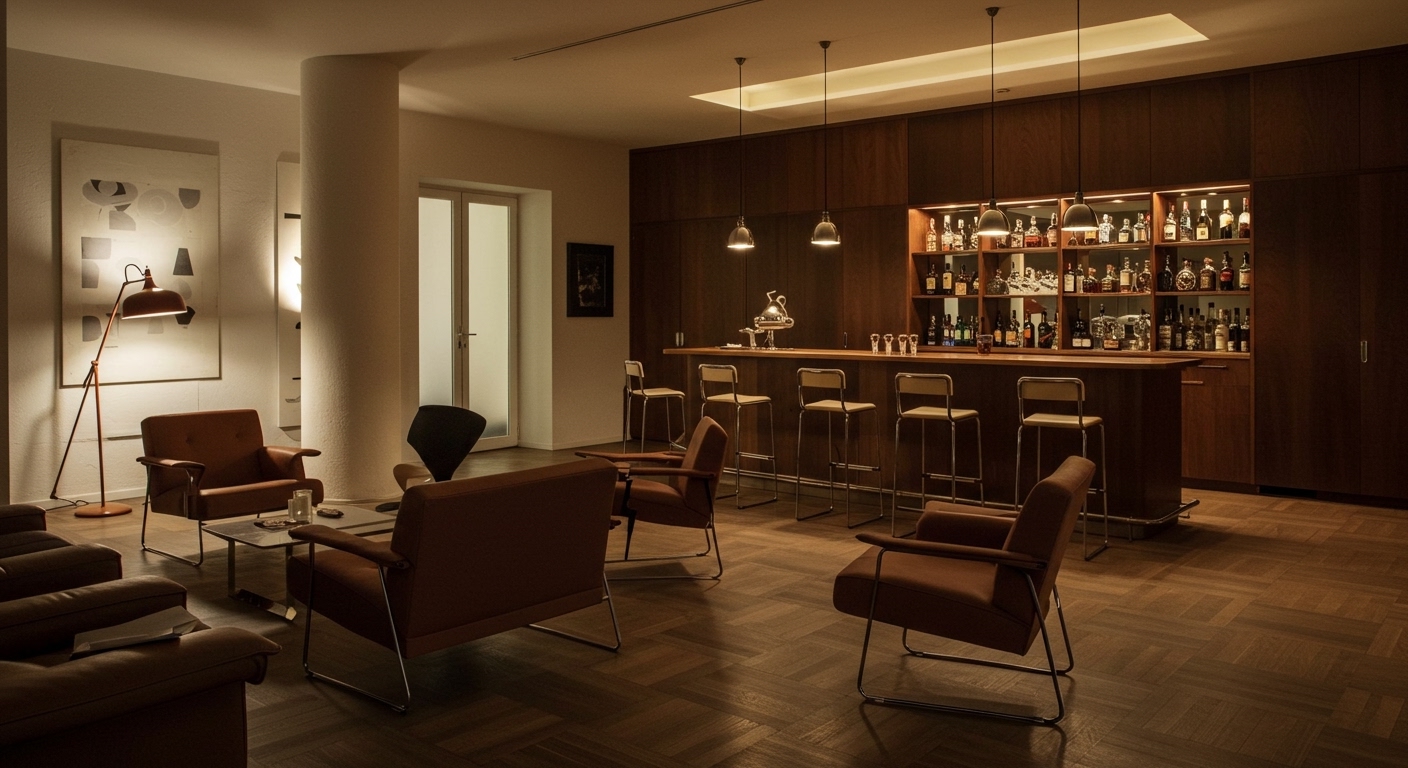
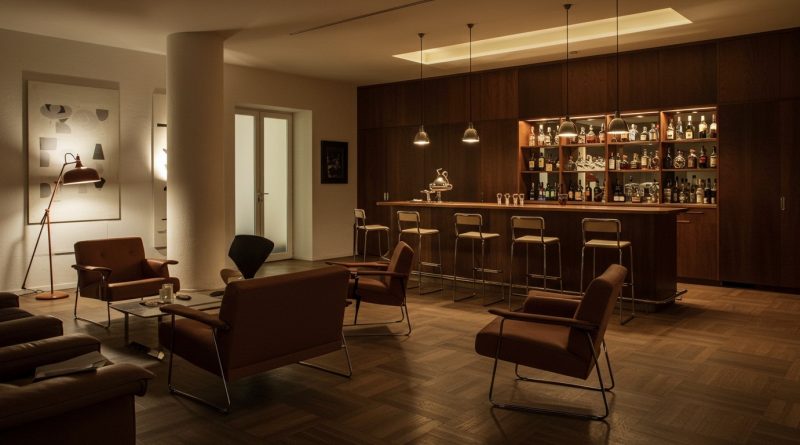
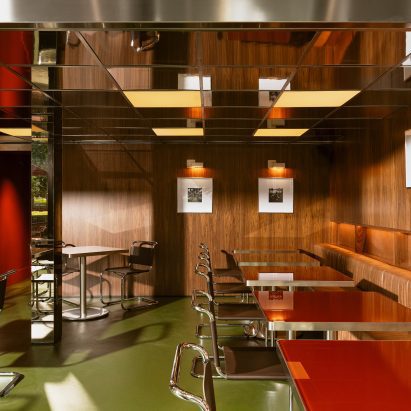
Fabio Fantolino’s Lève Office Bar in Turin presents an interior informed by 1960s offices, featuring cantilever chairs and wood panelling.
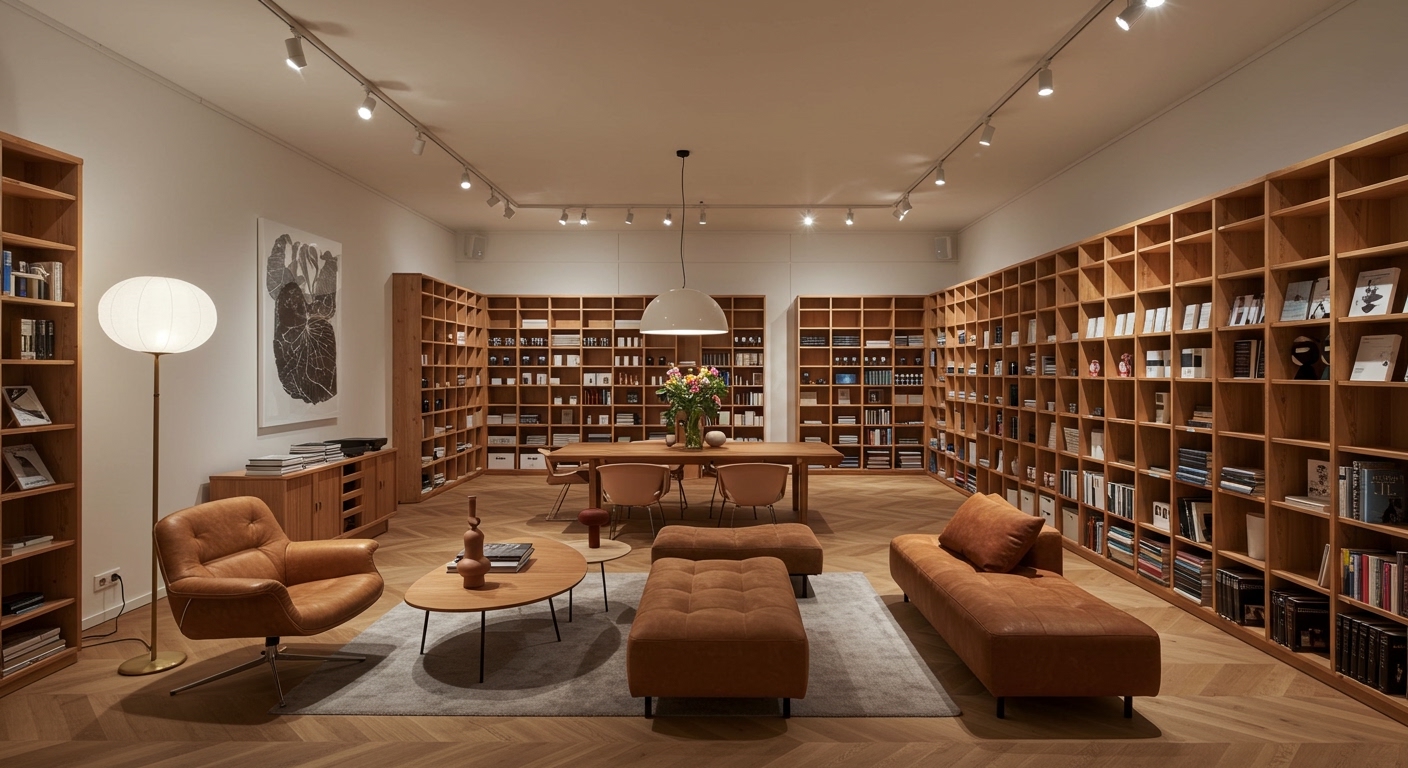
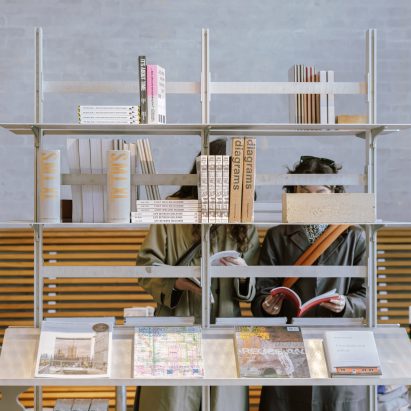
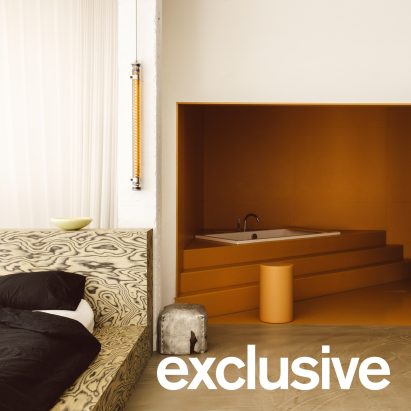
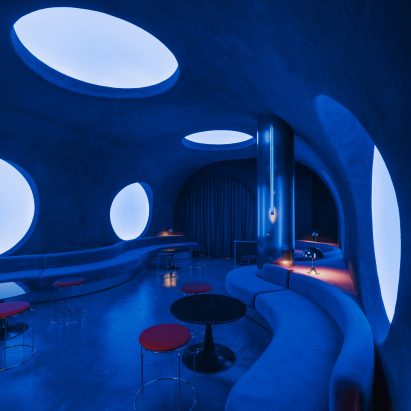
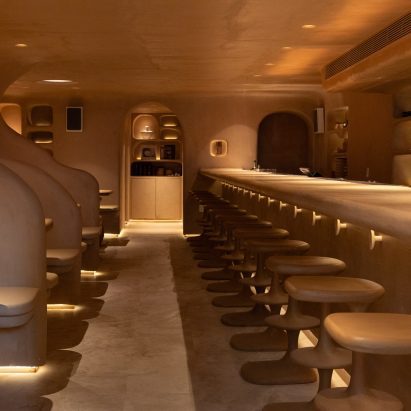
These varied projects, from a Copenhagen studio bookshop to Rotterdam’s continuously reconfigured loft and Barcelona’s retro-futuristic cocktail bar, reveal a pattern: a deliberate engagement with specific historical aesthetic languages or personal narratives to create spaces. Each design anchors itself in a defined character through distinct material choices and spatial configurations, resisting the transient and often interchangeable nature of contemporary design trends. This commitment to a specific identity, whether fixed or fluid, dictates the tactile quality and human interaction within these environments.
Fabio Fantolino’s Lève Office Bar challenges the mainstream inclination to separate commercial leisure spaces from professional environments through their very design language. While much of the industry pursues a blend of residential comfort for offices and sleek, often sterile, minimalism for bars, Fantolino deliberately evokes the aesthetics of 1960s workplaces, complete with wood panelling and mirror-clad surfaces. This move contradicts the conventional wisdom that hospitality interiors must primarily soothe or entertain through instantly recognizable forms of luxury or playfulness. Instead, Fantolino suggests that a considered tension, born from recontextualizing familiar forms, can foster a unique human flow and an unexpected sense of engagement. The materiality, heavy with historical reference, creates a spatial character that invites intellectual curiosity as much as social interaction.
This approach is not about nostalgia, but about drawing on established material and formal vocabularies to imbue a space with inherent narrative and gravitas. The deliberate choice of cantilever chairs and specific wood panelling, rather than generic lounge seating and common veneers, dictates a particular posture and interaction with the environment. It is a commitment to a singular vision over broad appeal. This commitment, ironically, creates a more memorable and spatially rich experience. Within the next three years, the commercial hospitality sector will increasingly commission designs that consciously borrow specific material and furniture archetypes from historically distinct building types—such as municipal archives or industrial research labs—to forge new, complex spatial identities.
This push for deeply characterized spaces is met by persistent resistance from the wider commercial development sector. Large-scale hospitality and corporate real estate projects frequently prioritize speed of construction, ease of maintenance, and broad market appeal, often leading to generic material specifications and standardized spatial layouts. The economic drivers favor modularity, rapid replication across multiple sites, and finishes chosen for durability and lowest common denominator acceptance, which inherently dilutes authentic material and spatial narratives in favor of operational efficiency.
Interior professionals should critically examine their default material libraries and design references. Rather than immediately selecting finishes based on current trends or ease of sourcing, practitioners should dedicate time this month to research historical material applications in non-standard typologies—for instance, detailing in mid-century civic buildings or the specific use of plastics and metals in 1970s public transport. Use this research to propose one unconventional material pairing or a specific, historically-informed furniture piece for a current project brief, articulating how this choice will create a unique spatial tension or tactile quality.
TL;DR
Meaningful design emerges from deep character and specific material choices, not from generic flexibility.
Curated References
About this editorial — This piece was developed using AI-assisted research and curation across multiple industry sources. All analysis, opinions, and predictions represent the editorial perspective of JHDD. Sources are linked in the references section above.