JHDD Interior Report — 2026.06.16
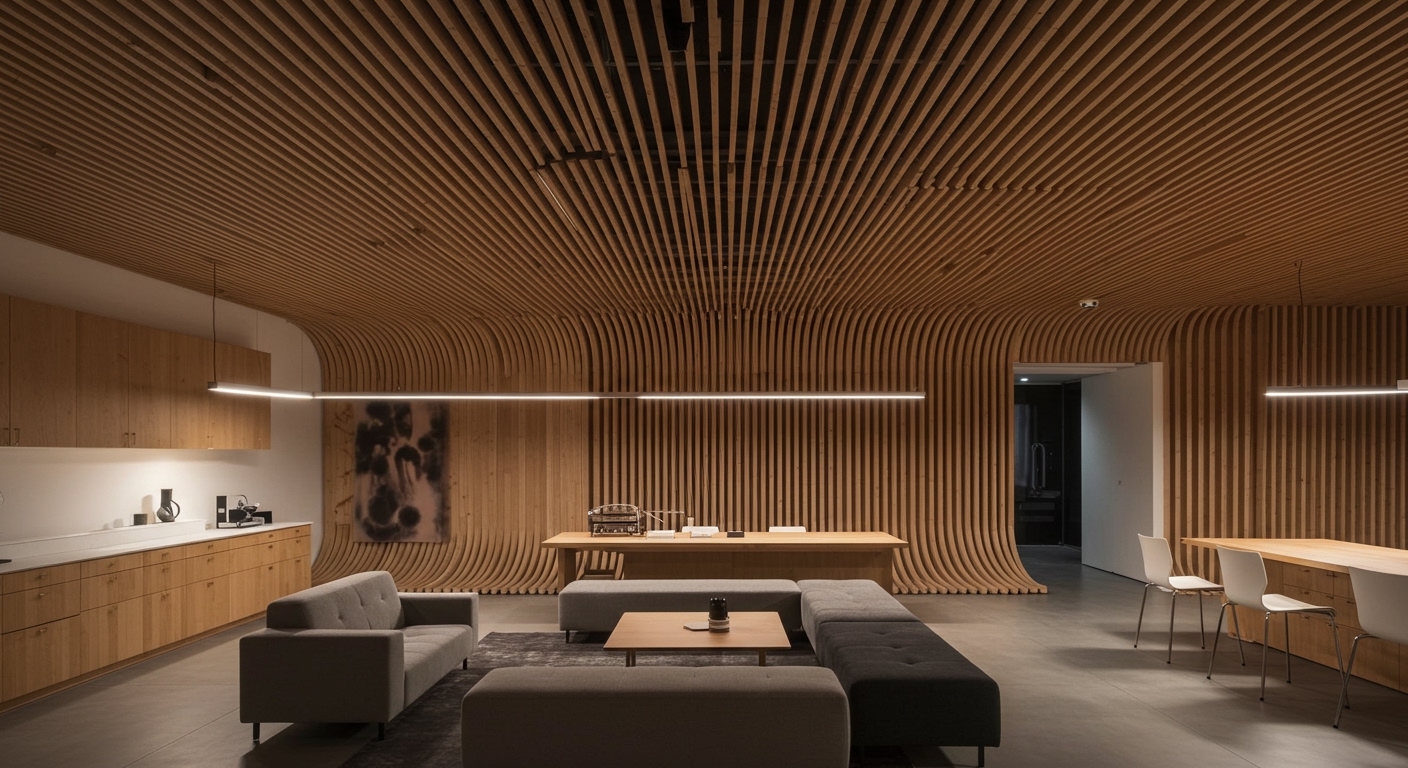
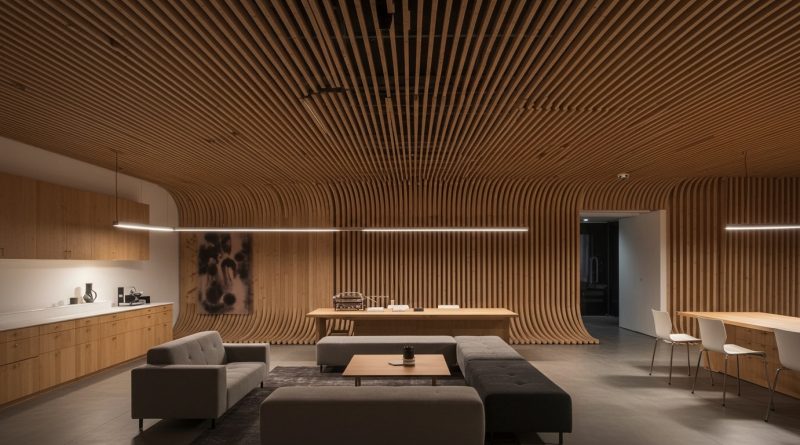
Talo Atelier’s Align Studio in Mexico City features light-oak tambour panelling that curves onto the ceiling.
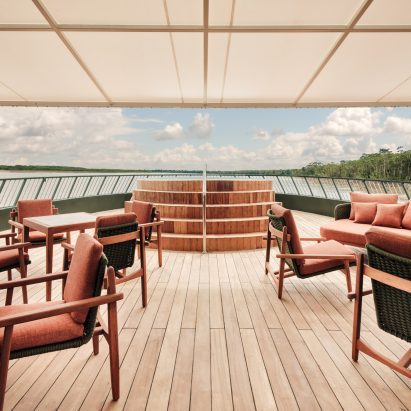
This specific material choice, along with Studio Ibsen’s embedding of Peruvian Amazon artistic heritage in the Pure Amazon riverboat and Studio Elèn Letort’s use of vintage furniture referencing the Dutch Golden Age, reveals a clear industry trajectory. Designers are moving beyond superficial styling towards embedding deep contextual narratives and tactile experiences directly into the material and spatial fabric of a project. It is a shift from broad aesthetic statements to highly specific, place-attuned expressions that guide and enrich human interaction.
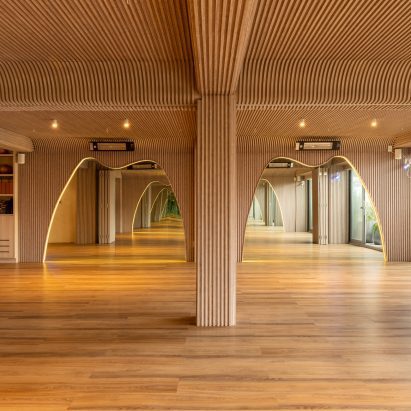
Talo Atelier’s design for Align Studio exemplifies this trajectory. The extensive use of light-oak tambour panelling is not simply decorative. It acts as a “silent guide,” creating a coherent, centring atmosphere. Mainstream industry discourse often champions “flexibility” and “openness” as the ultimate goals for wellness spaces, implying a lack of spatial definition. However, Align Studio demonstrates that deliberate material articulation and controlled spatial tension, rather than unrestricted openness, can provide a more profound sense of grounding and guided flow, offering a distinct counter-narrative to generic blank-slate wellness environments.
This approach prioritizes a deeper, more embodied spatial experience. The tactile quality of the wood and its rhythmic application actively shape how one moves and feels within the space, influencing human flow through subtle environmental cues. This stands in contrast to the prevalent, often detached, visual-first design methodologies. By mid-2027, the demand for highly curated, materially specific spatial narratives will intensify, driving luxury projects to eschew universal design languages in favor of those intrinsically linked to their immediate context or a specific cultural narrative.
The primary opposing force to this trajectory comes from the rapid commodification of interior trends. Manufacturers and developers seeking scalable, on-trend solutions often prioritize surface-level aesthetics and cost-efficiency over the deep material engagement and bespoke spatial narratives. This approach often leads to projects that feel transient and disconnected, lacking the resonant tactility and embedded sense of place seen in designs like those from Studio Elèn Letort, where vintage furniture and richly toned materials specifically evoke the Dutch Golden Age.
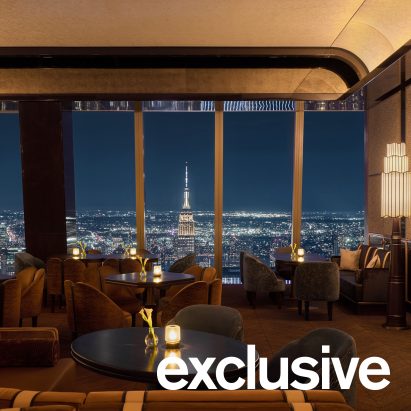
Interior professionals should critically evaluate their material specifications, moving beyond merely aesthetic or functional considerations. For every chosen material, consider its tactile quality, how it directly contributes to spatial tension or release, and how it subtly directs or influences human flow. Develop a narrative rationale for each key material choice, ensuring it is deeply integrated into the project’s overall story, much like Journey and Tao Hospitality Group referenced New York’s Art Deco icons for The Edge.
TL;DR
Design must prioritize deeply integrated material narratives and specific tactile experiences to guide human flow effectively.
Curated References


About this editorial — This piece was developed using AI-assisted research and curation across multiple industry sources. All analysis, opinions, and predictions represent the editorial perspective of JHDD. Sources are linked in the references section above.