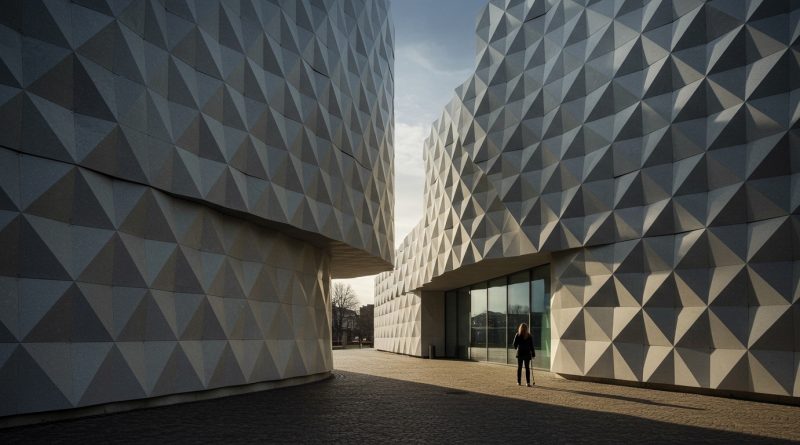
JHDD Architecture Report — 2026.06.16
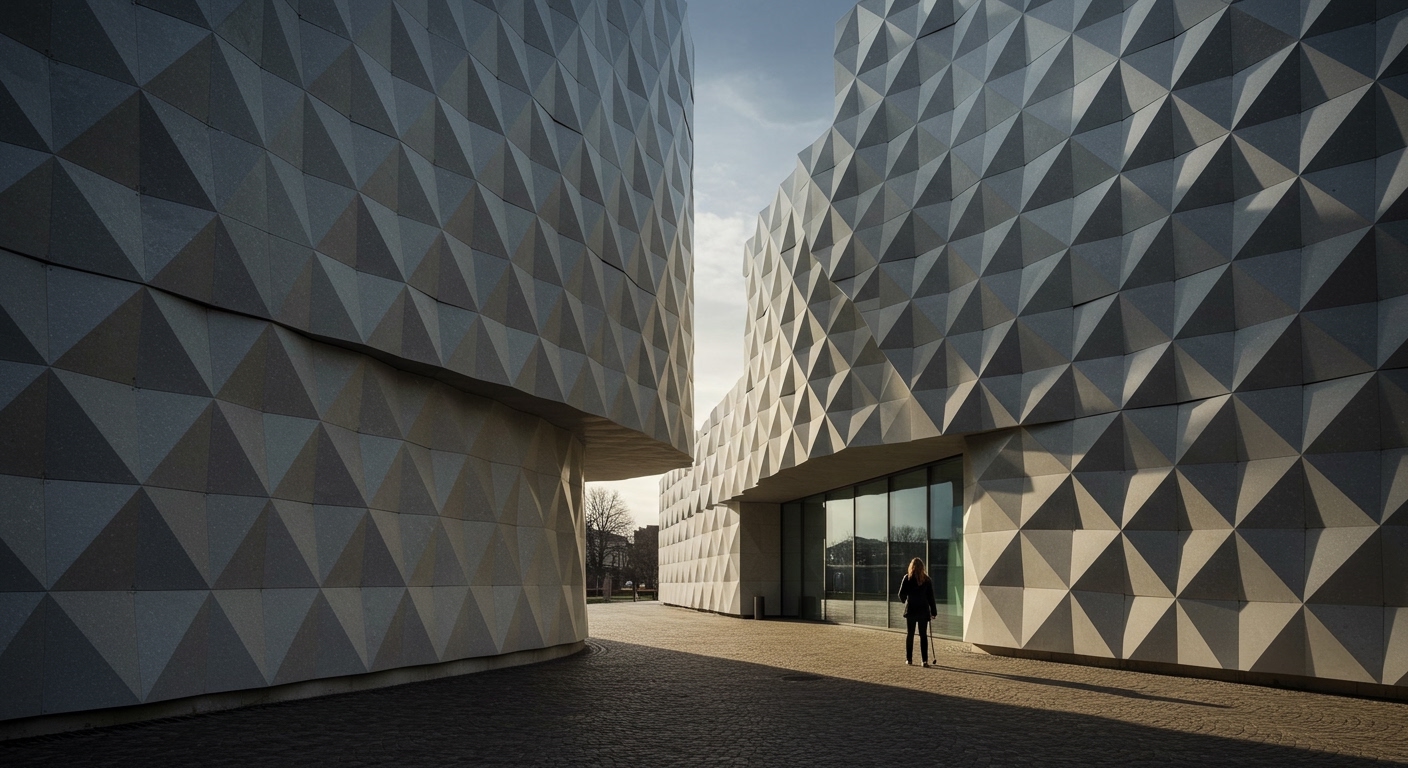
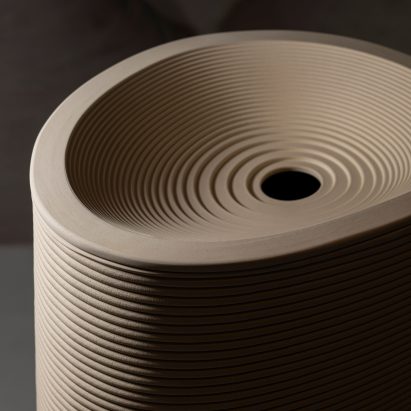
The Antao 3D material, a collaboration by KaschKasch and Villeroy & Boch, is described as “technically precise and materially imperfect.”
This description hints at a broader industry trend where the authenticity of material history and the unexpected life of design outcomes are becoming central, rather than an afterthought. The foraged “living fibre” collection presented at New Designers 2026, alongside the Walled Courtyard house by Inglis Badrashi Loddo, each demonstrate an architecture engaging directly with raw origins or found circumstances. This includes materials like wild clay from Dufftown, Scotland, and urban infill sites that demand a constrained, responsive approach. These projects collectively suggest a growing professional recognition of the inherent qualities and limitations of resources and contexts, pushing against designs that impose rather than respond.
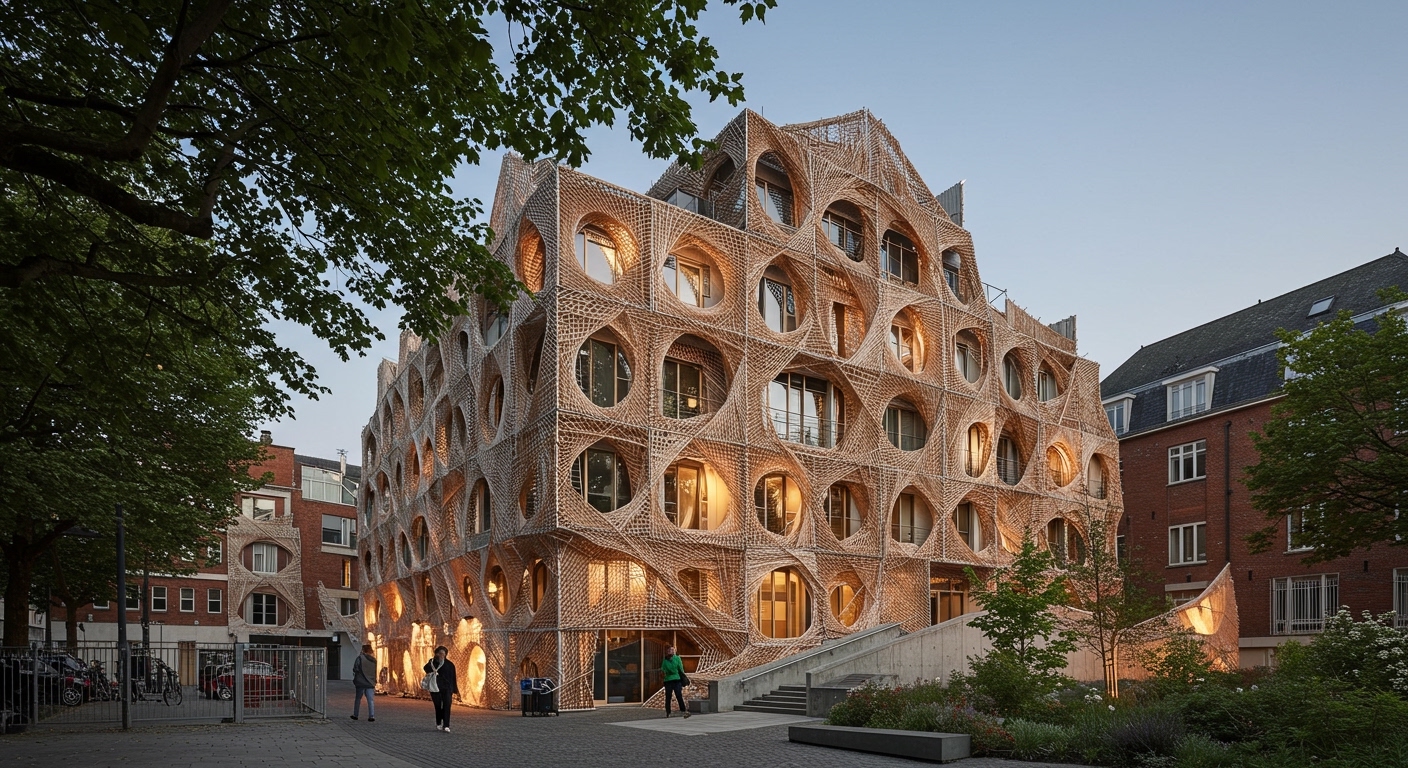
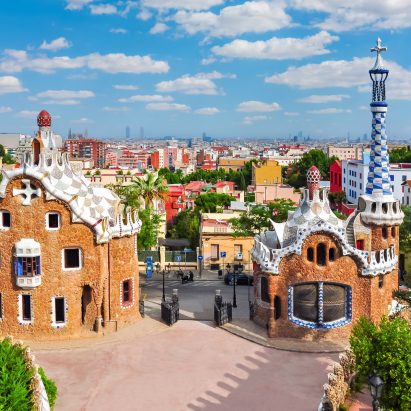
The story of Park Güell, originally conceived by Antoni Gaudí as a private housing estate, offers a critical lens on this responsive design philosophy. Its transformation into a popular public park, now grappling with overtourism, demonstrates that the initial programmatic intent of a designer or developer holds limited sway against the long-term, unplanned evolution of a site within its urban context. Conventional wisdom often celebrates Park Güell’s current status as a tourist landmark, a success for its aesthetic impact. However, this overlooks its fundamental failure as a residential development and the significant urban burden it now places on Barcelona’s residents due to uncontrolled visitation. The city must now manage the consequences of a design that, while visually striking, could not fulfill its initial private function and subsequently faced public appropriation to an unsustainable degree. This challenges the notion that architectural beauty alone guarantees urban responsibility.
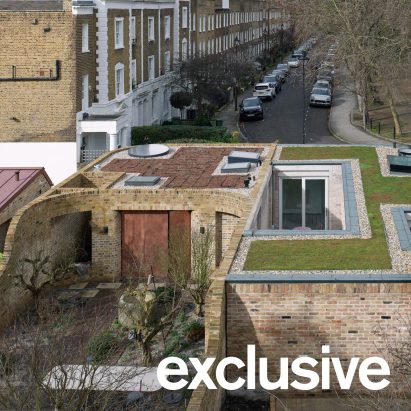
This narrative sharply contrasts with the approach seen in Inglis Badrashi Loddo’s Walled Courtyard house, which occupies a 63-square-metre infill site in Kennington, south London. This project embodies an intrinsic material honesty, using brick garden walls to integrate into a historically sensitive urban fabric. Its success lies not in grand gesture, but in its respectful, almost invisible, occupation of a challenging plot. The true structural philosophy here is one of humility and deep contextual understanding, using common materials and constrained volumes to create robust, sustainable density. By mid-2027, the industry will see a marked increase in projects that prioritize discrete, contextual integration using established material palettes over novel, attention-seeking forms, particularly in dense urban environments.
The re-branding of Zaha Hadid Architects to ZHA by Patrik Schumacher represents the opposing force. This move, framed as “natural brand evolution,” detaches the studio from the foundational identity and vision of its namesake. It suggests a professional trajectory driven by marketability and institutional identity, rather than a deepening connection to a specific design philosophy or material integrity. This re-branding prioritizes corporate distinction over the tangible lineage of design innovation, a stark counterpoint to the material-first and context-driven practices emerging elsewhere.
Architecture professionals should meticulously audit the full lifecycle and sourcing of every material specified, beyond merely checking for certifications. This involves investigating the energy required for extraction and processing, the labor conditions involved, and the post-occupancy repurpose potential, moving beyond superficial greenwashing to embrace genuine material honesty.
TL;DR
Responsive, materially honest design for urban contexts demands re-evaluating long-term site evolution over initial programmatic intent.
Curated References


About this editorial — This piece was developed using AI-assisted research and curation across multiple industry sources. All analysis, opinions, and predictions represent the editorial perspective of JHDD. Sources are linked in the references section above.