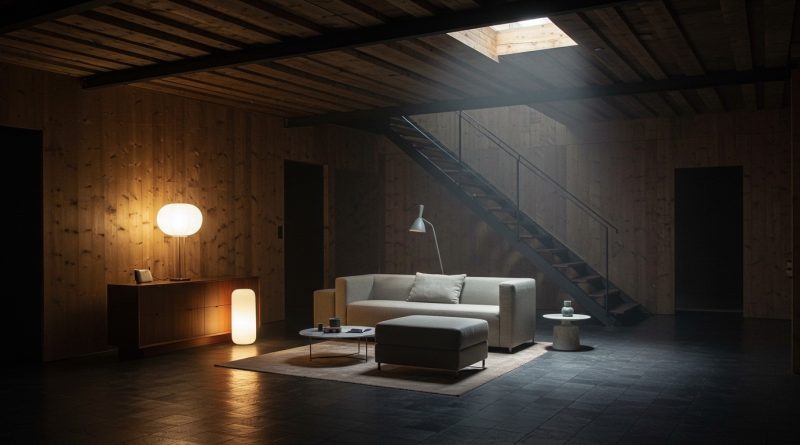
JHDD Interior Report — 2026.06.12
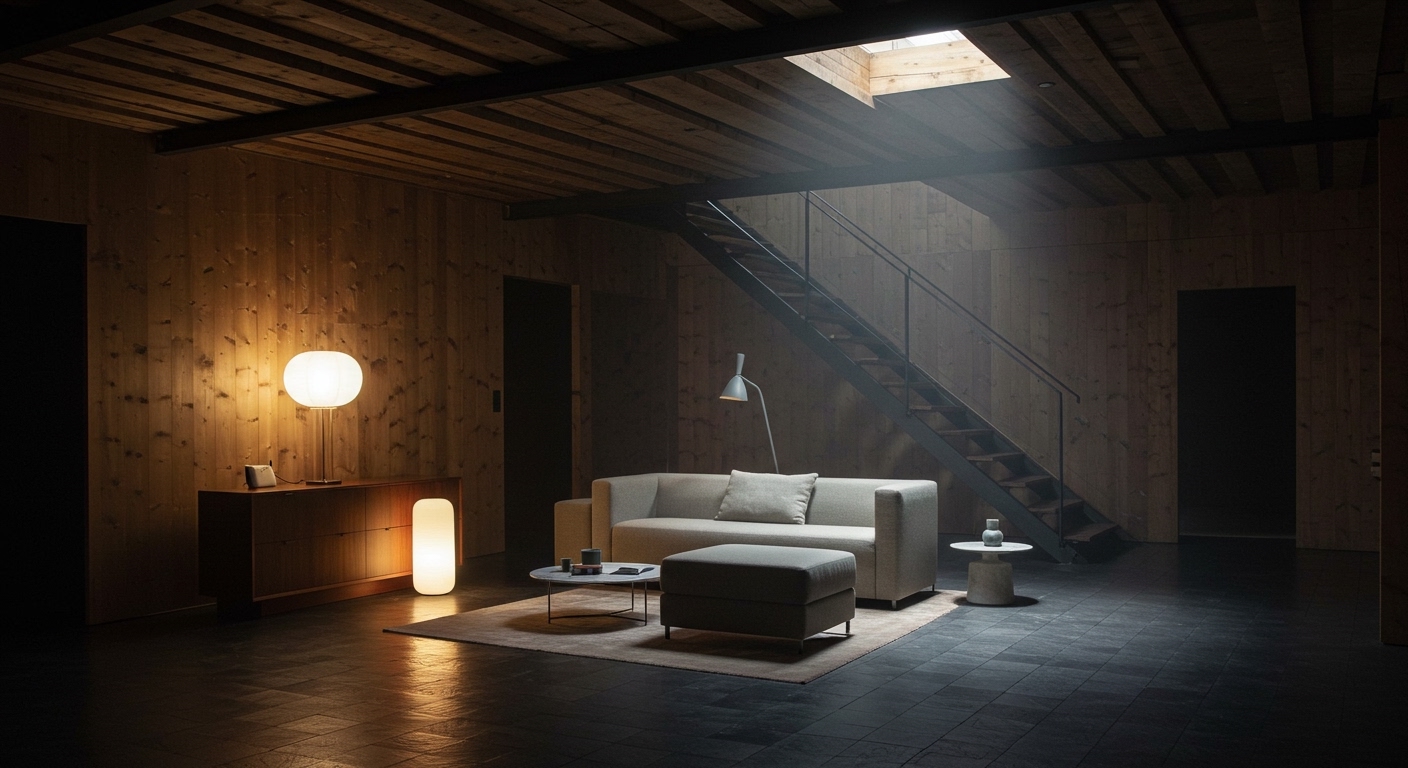
The enduring appeal of the hyper-curated vignette is rapidly eroding, replaced by a more visceral, experiential approach to space.
A distinct undercurrent is emerging across diverse interior typologies—from high-end dining to corporate offices—signaling a collective pivot towards a heightened sensory engagement. This isn’t merely about aesthetics; it’s a more fundamental recalibration towards materiality that speaks to tactile memory and spatial narratives that encourage a fluid, unscripted human flow. The fragmentation of singular stylistic narratives is giving way to a more layered, almost archaeological approach to interior environments, where historical resonance is fused with a contemporary understanding of comfort and psychological well-being. This emergent force can be precisely named “Material Authenticity and Generative Flow.”
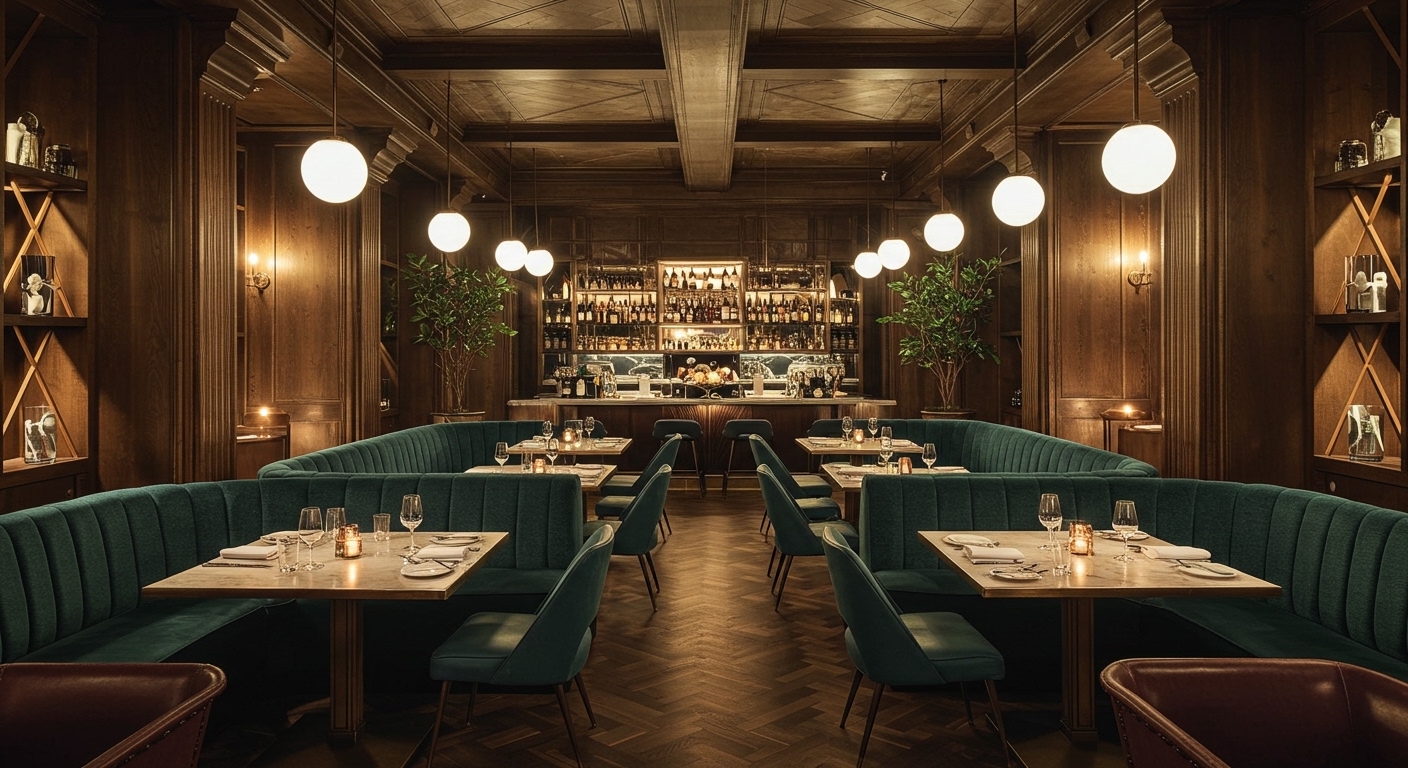
Beneath the surface of these varied projects lies a shared ambition to imbue spaces with a palpable sense of gravity and lived history. Consider the work of Studio Elèn Letort in Amsterdam, which, by referencing the Dutch Golden Age, doesn’t just replicate historical styles but summons their tactile essence – the patina of aged wood, the depth of richly dyed textiles. This is diametrically opposed to the prevailing industry trend of sterile, minimalist surfaces that, while undeniably clean, often feel emotionally vacant. The goal here is not to evoke a specific period but to tap into the universal human response to materials that feel authentic and possess a tangible age or character. For years, the prevailing wisdom favored the pristine, the untouched. This analysis posits that the future lies in embracing the imperfect, the nuanced, the material stories that unfold over time. By late 2025, we will see a significant increase in the intentional incorporation of reclaimed or antiqued materials not as accents, but as foundational elements that dictate the emotional tenor of a space.
This trend is met with friction by a segment of the market deeply invested in the illusion of perpetual newness. Brands and developers prioritizing rapid obsolescence and the ease of superficial updates are resistant to the inherent permanence that deeply textured, authentic materials impose. Their resistance stems from a fear of perceived datedness and the challenge of integrating truly aged elements into mass-produced construction timelines. This tension, however, is precisely what makes the embrace of material authenticity so compelling; it reveals a desire for spaces that transcend fleeting trends and offer a more profound, enduring connection. The perceived “risk” of using materials with inherent character is a direct challenge to a design ecosystem that often prioritizes immediate visual impact over lasting sensory richness.
For a working interior professional, the actionable insight this week is to actively seek out and integrate materials that possess a distinct tactile quality and a narrative beyond their initial installation. Move beyond surface-level finishes and explore suppliers offering reclaimed timber with visible nail marks, hand-troweled plaster with subtle variations in texture, or naturally veined stones that display their geological history. The focus should shift from merely specifying a material’s appearance to understanding its inherent tactility and its potential to age gracefully, thereby enriching the human experience within the space.
The resurgence of tactile authenticity is reshaping spatial design, prioritizing materials with inherent character and fostering unscripted human engagement.
Curated References


About this editorial — This piece was developed using AI-assisted research and curation across multiple industry sources. All analysis, opinions, and predictions represent the editorial perspective of JHDD. Sources are linked in the references section above.