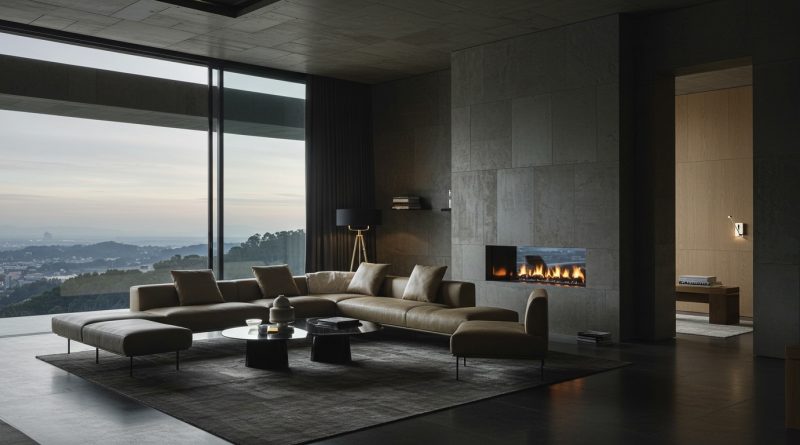
JHDD Interior Report — 2026.06.11
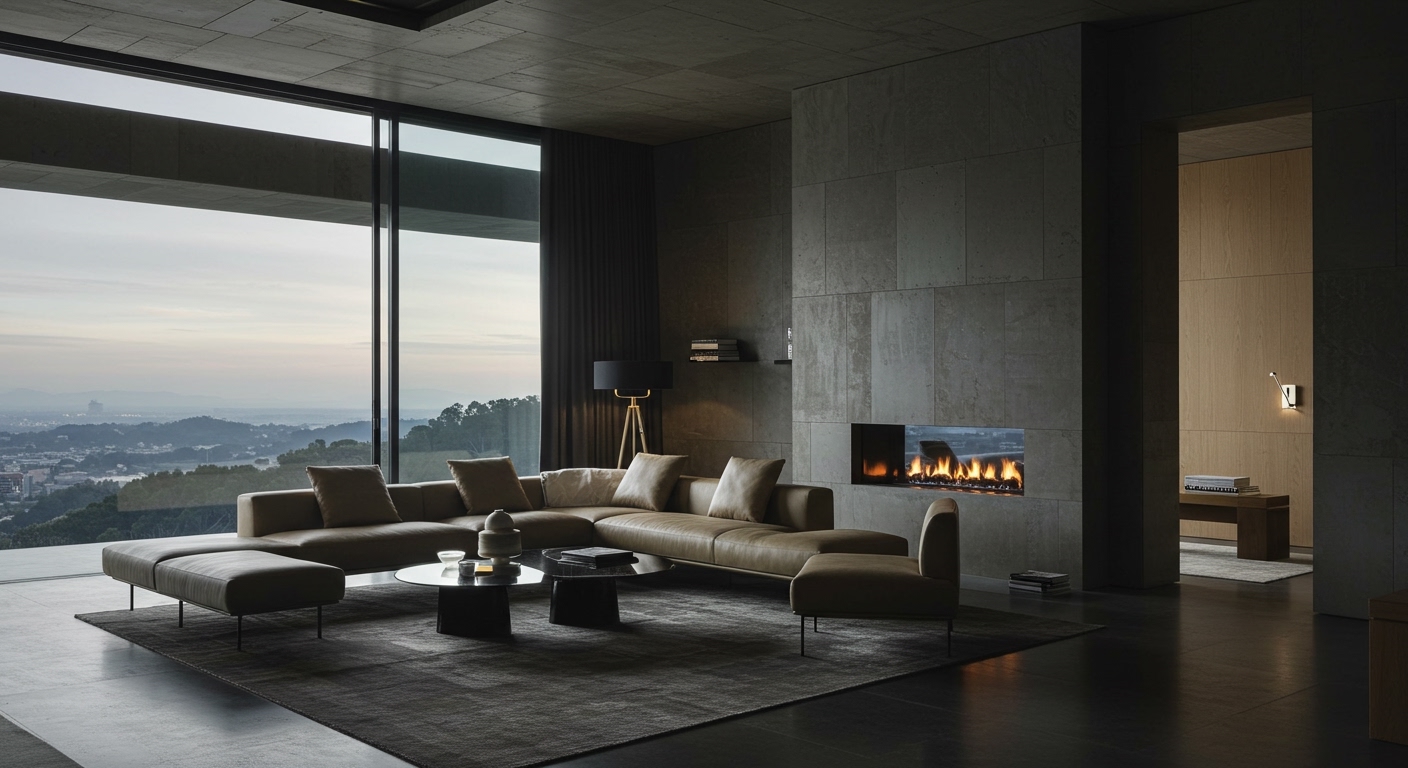
The deliberate integration of elemental textures in otherwise refined spaces signals a definitive move away from polished artifice.
A subtle but potent current is emerging, weaving through distinct projects and hinting at a broader shift in residential and hospitality design. This isn’t merely about material trends; it’s a convergence of sensory engagement and psychological resonance, a quest for authenticity that transcends fleeting aesthetics. The common thread is a deliberate cultivation of “tactile memory,” an invitation for the inhabitant to connect with the inherent nature of materials, not as passive backdrops but as active participants in the spatial experience. This manifests as an elevated interest in rough-hewn stone, patinated metals, and unvarnished wood, not as primitive elements, but as counterpoints to sleek, modern forms, creating a sophisticated dialogue between the raw and the refined. This emergent language speaks to a deep-seated human need for grounding in an increasingly digitized world.
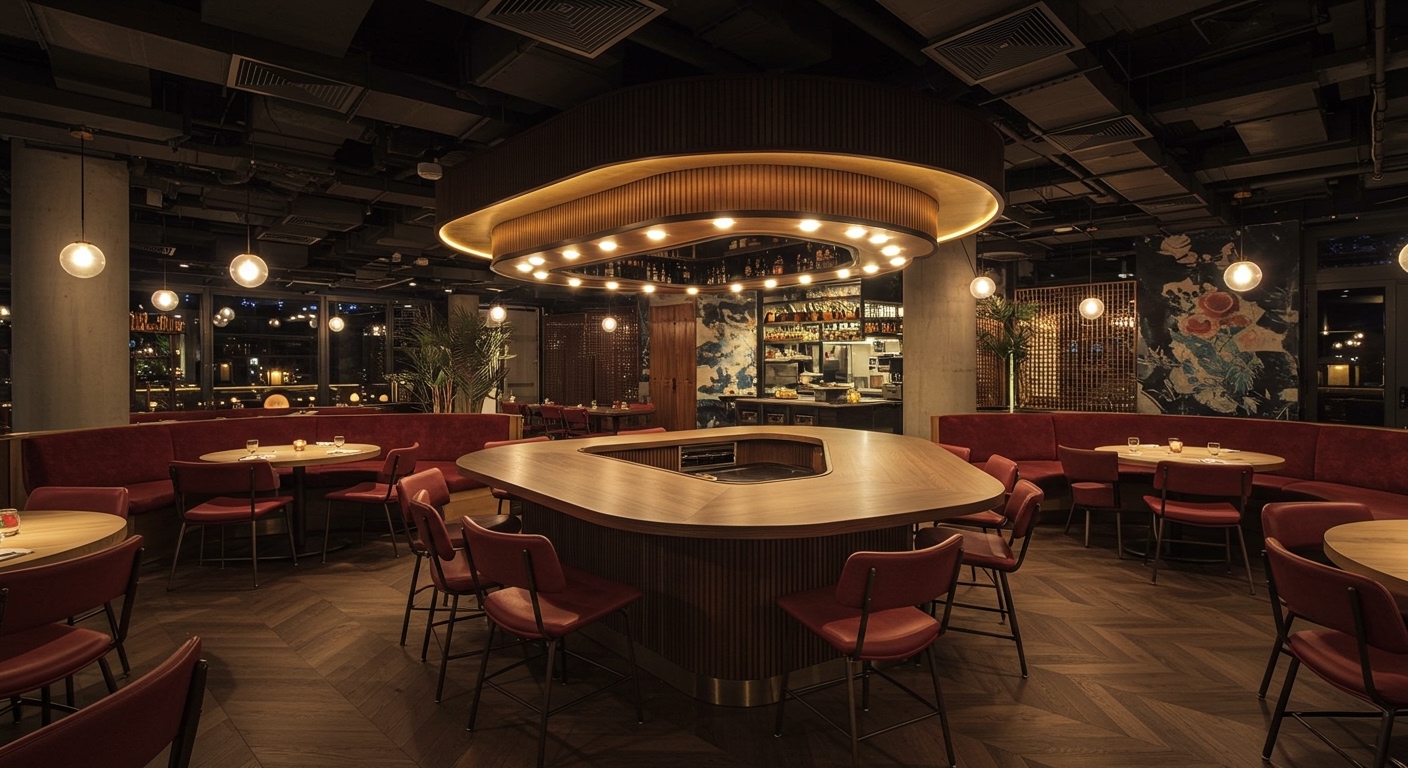
Beneath the surface of these seemingly disparate projects lies a strategic deployment of materiality to create richer spatial narratives. Take, for example, the work of Esrawe + Cadena for their Xinú Oaxaca showroom. While presented as a retail space, its conceptual foundation as a “fragrance temple” informed by basalt rock formations is profoundly telling. This isn’t just about aesthetics; it’s about embedding a sense of place and primal connection within a commercial environment. The studio’s deliberate use of textured, raw materials creates zones of sensory intensity, drawing visitors into a contemplative flow. This approach directly challenges the mainstream industry’s enduring reliance on smooth, easily reproducible finishes. The prevalent notion that luxury is synonymous with an utterly flawless, unblemished surface is proving to be a brittle construct. Instead, true luxury is revealing itself in the nuanced imperfections, the story embedded in a naturally occurring fissure in stone, or the evolving patina of bronze. By late 2025, expect to see a significant recalibration in material palettes, with designers actively prioritizing substances that offer a demonstrably richer tactile and visual history, even at the expense of perfect uniformity.
The friction in this evolving landscape arises from the pervasive inertia of cost-driven manufacturing and a lingering fear of perceived “rawness” translating to lower perceived value. While a growing segment of the market craves the authenticity that elemental materials offer, the commercial realities of mass production still heavily favor smooth, predictable surfaces. This tension between the desire for bespoke, textured experiences and the economics of scale creates a distinct pressure point. Brands and developers who are unwilling to invest in the nuanced sourcing, finishing, and installation required for truly elemental materials risk being left behind, appearing increasingly sterile and disconnected from the evolving human desire for sensorial depth. This resistance, while understandable from a business perspective, ultimately highlights the very spaces where innovation is most needed.
A working interior professional should shift their focus from specifying materials based solely on their visual appeal to critically assessing their tactile and temporal qualities. Before specifying any surface, ask: “How will this feel underhand? What story does its natural variation tell? How will it age and develop character over time?” This week, dedicate time to engaging directly with material samples, not just visually, but with deliberate touch, exploring their inherent textures and weight.
The future of luxury interiors lies in the intelligent juxtaposition of raw elementalism and refined craft.
Curated References


About this editorial — This piece was developed using AI-assisted research and curation across multiple industry sources. All analysis, opinions, and predictions represent the editorial perspective of JHDD. Sources are linked in the references section above.