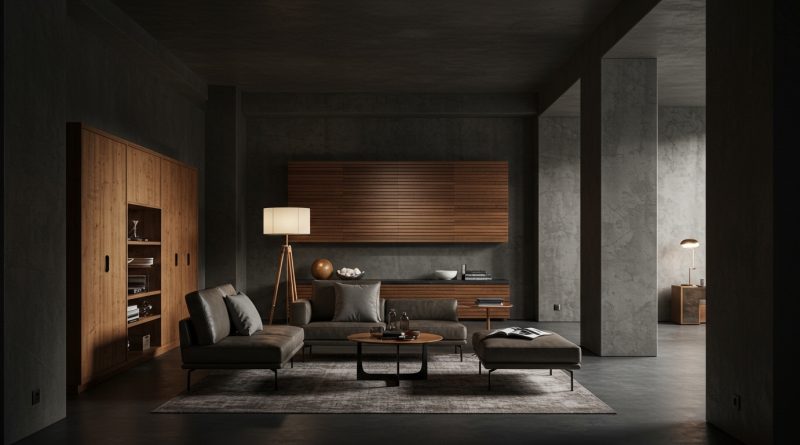
JHDD Interior Report — 2026.06.06
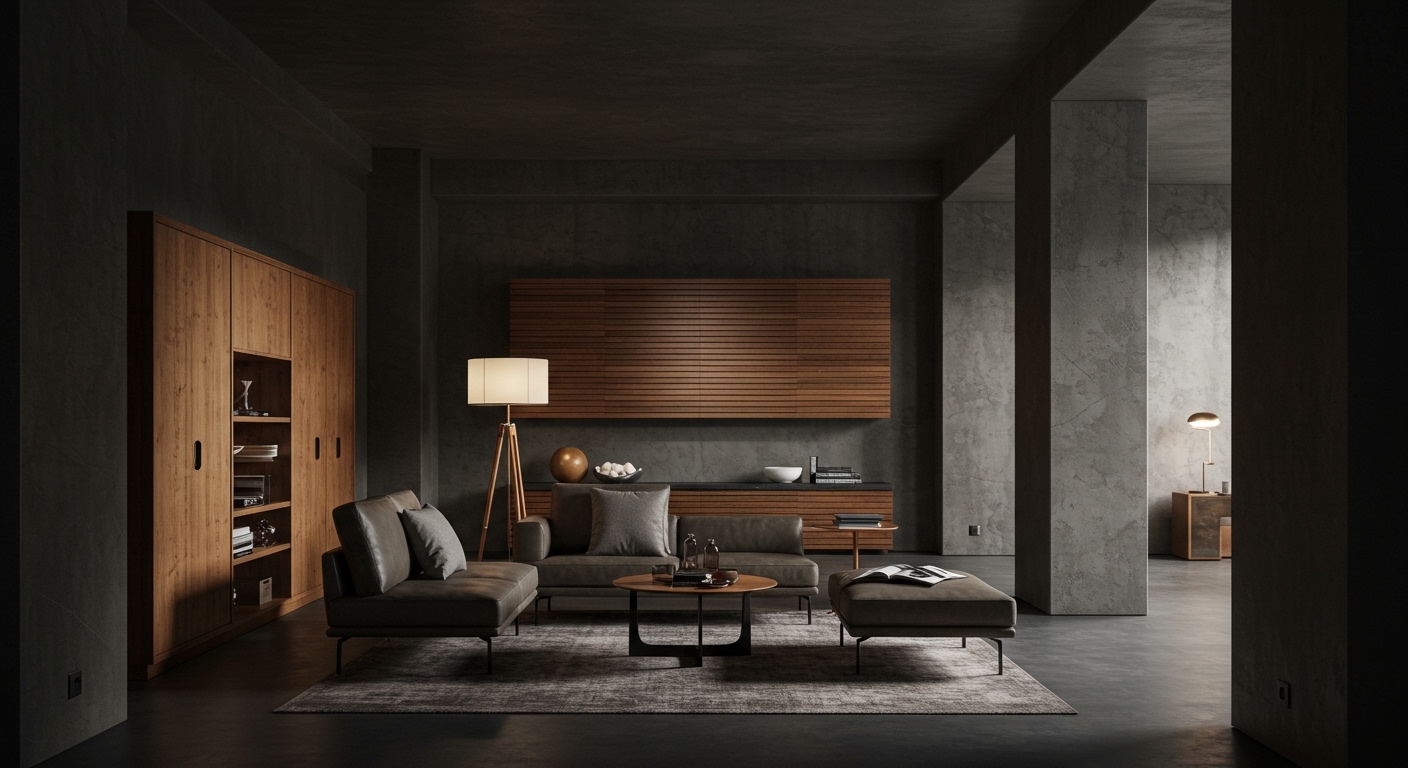
The intentional deployment of retrograde materiality signifies a profound recalibration of the luxury interior narrative.
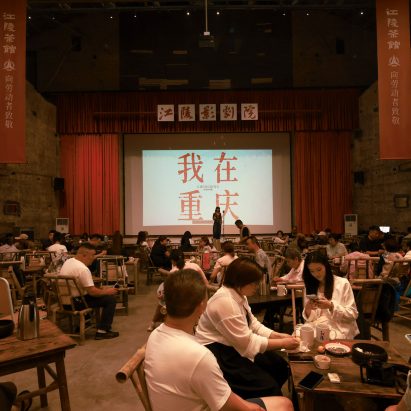
Across disparate typologies – from a 1920s-inspired cinema by Nice Projects to a 1950s Chinese cinema revitalized as a teahouse by Studio We Live, and even contemporary offices by Logic and Mil Studios referencing nostalgic urban aesthetics – a consistent signal emerges: the deliberate reclamation and reinterpretation of historical material languages. This isn’t merely about pastiche; it’s about an excavation of tactile integrity and inherent gravitas, a strategic rebellion against the pervasive ephemerality of digital-first design. The underlying force is the emergent “Material Renaissance,” a conscious societal fatigue with the slick, the sterile, and the instantly forgettable, driving a demand for spaces that possess a grounded, enduring, and profoundly sensory character.
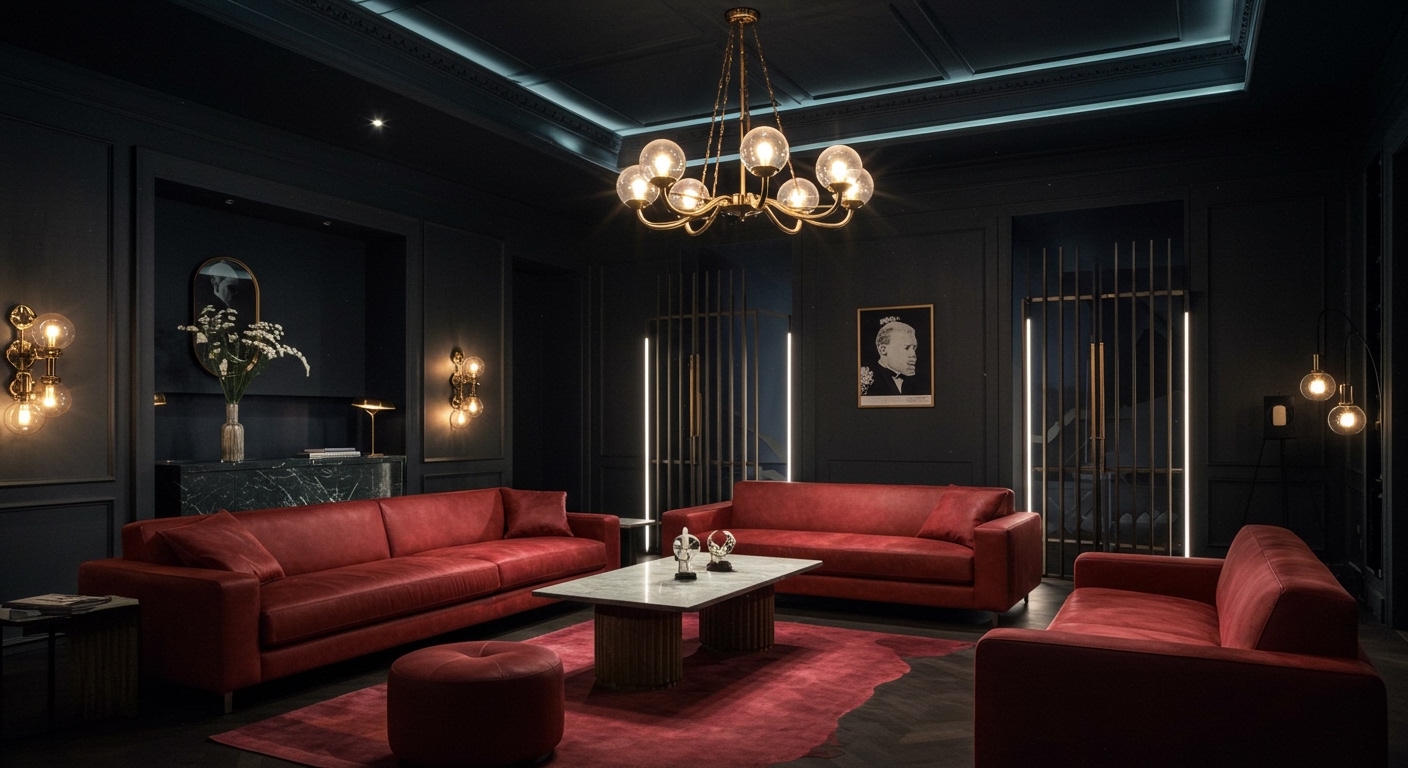
Beneath this surface-level appreciation for vintage motifs lies a more fundamental exploration of spatial tension. Designers are no longer simply curating visual appeal; they are actively orchestrating the human experience through the deliberate juxtaposition of robust, time-worn materials and the refined, contemporary insertions. This approach aims to create moments of friction – the cool, smooth touch of honed marble against the rough, patinaed surface of reclaimed timber, or the visual weight of aged brass fixtures anchoring a seemingly minimalist volume. The goal is to imbue spaces with a narrative depth, a sense of history that resonates beyond immediate aesthetics. Take, for instance, the approach of PPAA in the Hotel Lamartine. While ostensibly addressing the spatial constraints of a narrow site, their use of natural light and carefully selected, grounding materials creates an internal drama, a quiet intensity that belies the building’s discreet facade. Conventional industry wisdom, often driven by speed and cost-effectiveness, tends towards the facile imitation of luxury through pristine finishes. However, the Material Renaissance champions the opposite: the earned luxury found in imperfection, in the stories embedded within time-worn surfaces. This expert analysis predicts that by late 2025, bespoke applications of patinated metals, intentionally weathered stone, and naturally aged woods will become a defining characteristic of high-end residential and hospitality projects, moving beyond mere accent to become foundational elements of the design.
This deliberate engagement with the past, however, is not without its counter-currents. The friction arises from the inherent tension between this pursuit of authentic materiality and the relentless drive for scalable, mass-produced luxury. Brands focused on the ultra-polished, the seamlessly integrated, and the perpetually “new” often struggle to incorporate the inherent irregularities and the labor-intensive processes required for true material authenticity. This resistance reveals a core industry conflict: the democratization of luxury via efficient production versus the exclusive allure of artisanal craft and the slow accumulation of character. The perceived risk of appearing dated or less “clean” in a market still heavily influenced by minimalist ideals creates a significant hurdle for wider adoption of these richer, more complex material narratives.
For a working Interior professional, the actionable takeaway is to actively seek out and champion materiality that tells a story. This week, specifically, experiment with specifying at least one significant element – a wall treatment, a feature furniture piece, or a significant architectural detail – that deliberately embraces patination, visible joinery, or the inherent imperfections of natural materials. Prioritize sourcing from artisans or small-batch producers where the hand of the maker is evident, and consciously integrate these elements to create palpable tactile and visual tension within a space.
The deliberate embrace of retrograde materiality cultivates an earned luxury through narrative depth and tactile resonance.
Curated References




About this editorial — This piece was developed using AI-assisted research and curation across multiple industry sources. All analysis, opinions, and predictions represent the editorial perspective of JHDD. Sources are linked in the references section above.