JHDD Branding Report — 2026.08.20
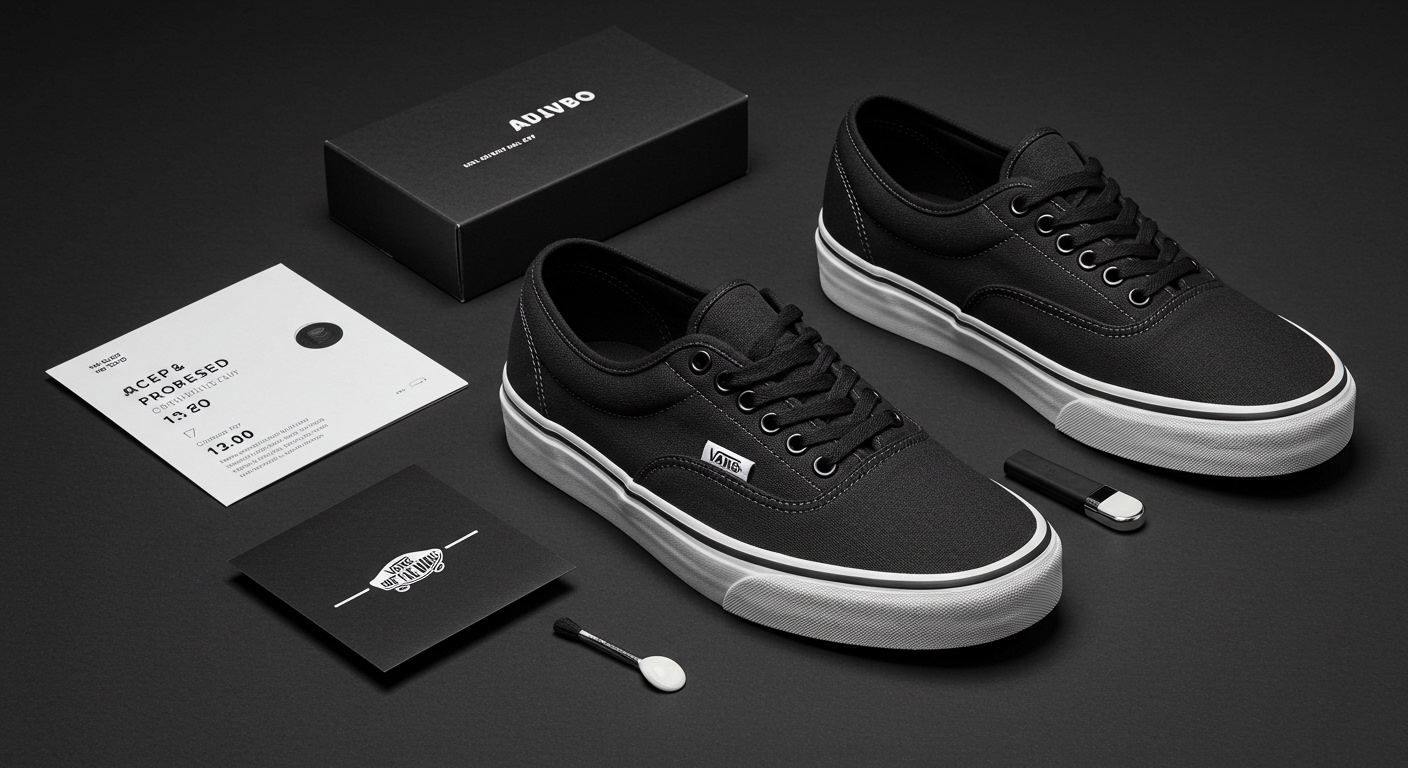
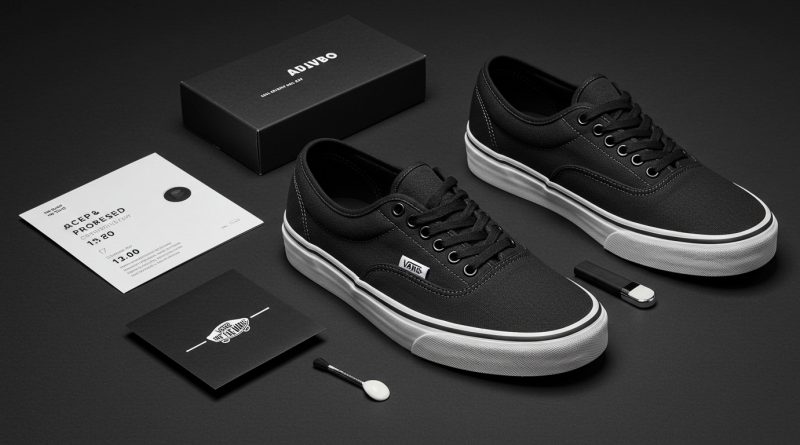
Accept & Proceed’s recent work for Vans specifically understood that the iconic three-hole plimsolls did not need reinvention.
Across recent projects, an emergent intelligence in branding prioritizes the sustained value of existing brand equity and cultural resonance over the impulse for dramatic overhaul. This approach acknowledges that a brand’s strength often resides in its established forms and its embedded presence in consumer lives. Designers are increasingly tasked with discerning when to preserve and when to refine, moving beyond the default industry narrative of constant disruption.
The mainstream industry often frames “boldness” and “disruption” as universal virtues, yet this perspective frequently overlooks the inherent power of continuity. Take Accept & Proceed’s identity for Vans. The brief was not to discard the established visual lexicon or the deeply ingrained connection consumers have with products like the sun-bleached, holey plimsolls. Instead, the firm recognized that Vans possessed an unshakeable cultural identity, one cultivated over decades. The real design challenge was to articulate this enduring appeal, rather than to force a new aesthetic. This contradicts the conventional wisdom that brands must always “zig when others zag” or embark on wholesale reinvention to remain relevant.
The strategic value of restraint, as seen in Perky Bros’ identity for Southall, where “restrained Southern hospitality” was paramount over “shouty branding,” indicates a maturing market. Brands with significant heritage or strong existing cultural ties often dilute their equity through unnecessary changes driven by a fear of appearing outdated. The design brief for Almeida & Dale, executed by Porto Rocha, further exemplifies this, seeking a “bold yet sensitive” identity for a gallery with two decades of history. This suggests a nuanced understanding that sensitivity to context and legacy can be bolder than arbitrary visual shifts. By mid-2027, brands that have resisted the urge for superficial disruption will demonstrate stronger long-term market positioning and more authentic brand equity gains.
The primary opposing force to this intelligent restraint is the entrenched agency model that often incentivizes high-impact, visible “rebrands.” Marketing departments, under pressure to demonstrate innovation and spending, also contribute to this cycle, often valuing a flashy announcement over the quiet, incremental strengthening of existing brand assets. This often stems from a misunderstanding of how deep cultural signals operate and how long they take to build.
Branding professionals should implement rigorous brand equity audits that measure consumer attachment to existing brand assets, even the seemingly mundane ones. Rather than defaulting to “refresh” cycles, strategists should develop frameworks for “equity preservation and subtle enhancement,” focusing on how visual identity systems can amplify existing positive associations and cultural signals without introducing unnecessary visual noise. This means investing in qualitative research to uncover what aspects of a brand are truly cherished by its audience.
TL;DR
Strategic restraint and a deep understanding of existing brand equity offer more sustainable value than continuous, superficial reinvention.
Curated References




About this editorial — This piece was developed using AI-assisted research and curation across multiple industry sources. All analysis, opinions, and predictions represent the editorial perspective of JHDD. Sources are linked in the references section above.