JHDD Packaging Report — 2026.08.20
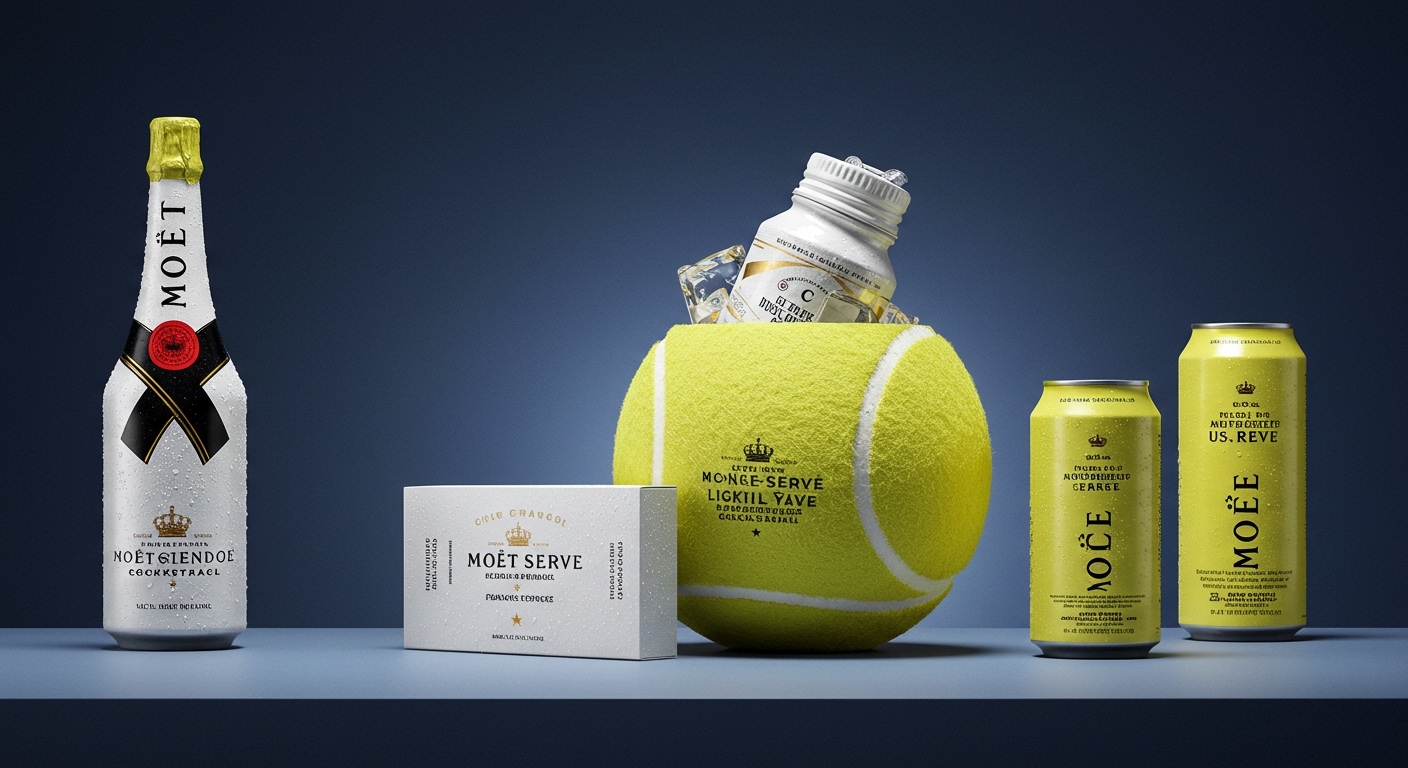
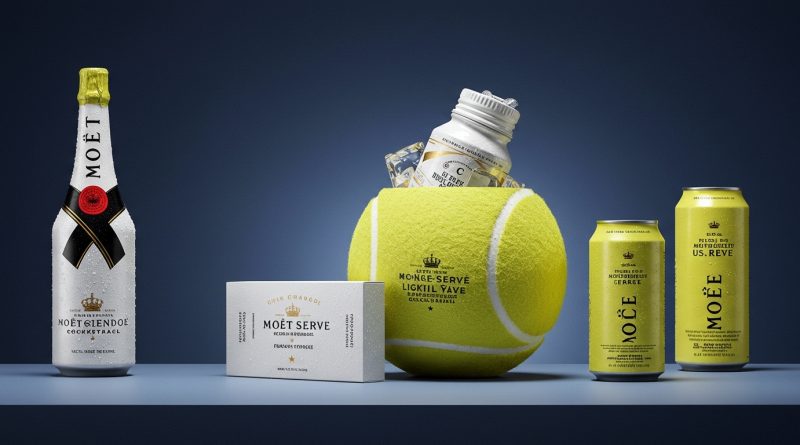
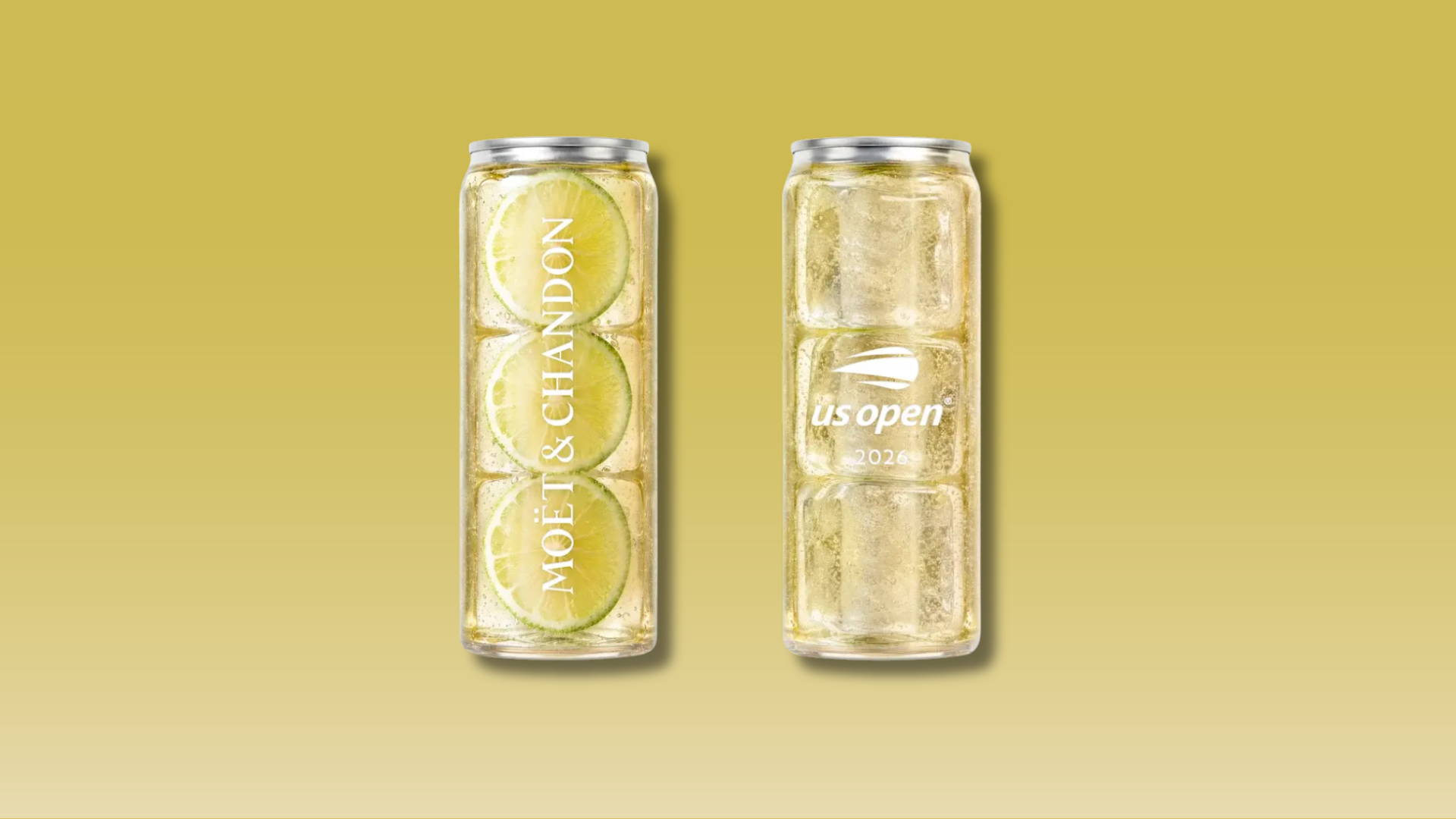
Moët’s new “The Moët Serve” cocktail for the US Open features a tennis-ball-inspired “franken-can.”
These recent brand activities reveal a common thread: packaging is increasingly designed as a direct conduit for brand storytelling and emotional connection, often prioritizing specific sensory engagement over general utilitarianism. Brands are investing in distinctive visual and tactile features to carve out unique market positions, whether targeting niche demographics or creating memorable experiential moments. The emphasis extends beyond mere visual appeal to encompass the full tactile and unboxing experience.
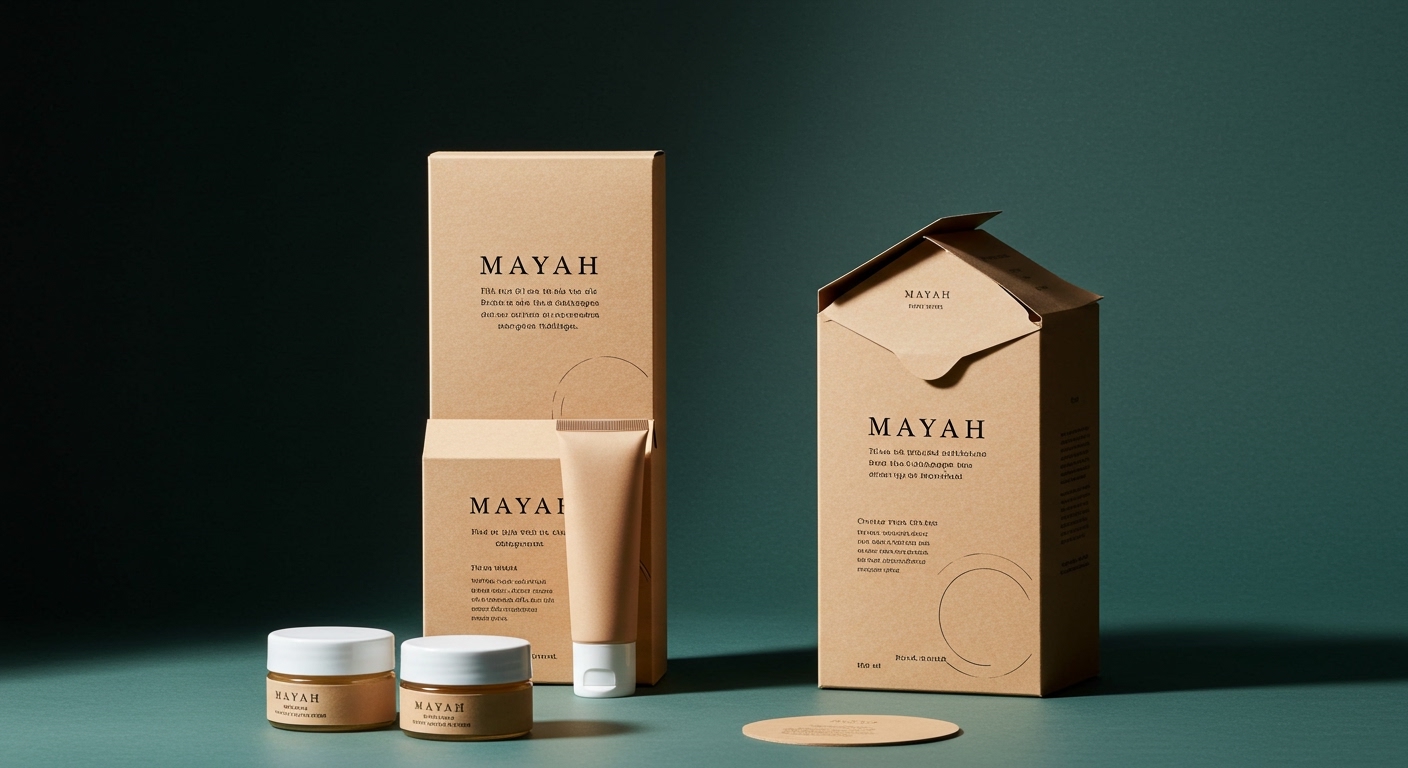
Mayah provides a strong example of aligning packaging with a specific audience’s needs and emotional state. Its founders, Jessica Smith and Rebecca Heywood, designed for mothers, implying a careful consideration of texture, ease of use, and a sense of joy, which translates directly into the unboxing experience. This approach acknowledges that the physical interaction with a product’s container contributes significantly to its perceived value and emotional resonance, extending beyond initial shelf impact. The “substance and joy” described in its creation suggests a tactile and visual language that speaks directly to a desired user experience.
The prevailing industry wisdom dictates that sustainability, specifically universal recyclability, must be the top priority for all packaging. However, this perspective overlooks the strategic role of targeted, distinctive material choices, even those with complex end-of-life scenarios, for specific brand moments. Moët’s “The Moët Serve” can, while unrecyclable due to its plastic-and-metal construction, was likely designed for maximum court-side eye candy and immediate event-specific impact at the US Open. This suggests that for certain high-profile, experiential, or limited-run products, the perceived luxury, novelty, and immediate sensory appeal can temporarily outweigh broad recyclability for brand strategists. A focus on ubiquitous recyclability can lead to a homogenization of material palettes, inadvertently stifling innovative tactile and visual expressions. By mid-2028, leading brands will visibly segment their packaging strategies, openly embracing distinct, sometimes less universally recyclable, materials for experiential lines while committing to circularity for their core products.
The primary opposing force to this nuanced approach is the monolithic push for standardized sustainable certifications and simplified recycling streams, often driven by large retail chains and governmental regulations. These entities frequently prioritize ease of processing and broad material categorizations over the specific performance or experiential qualities that differentiate brand packaging. Consumer confusion regarding complex material compositions and inconsistent recycling infrastructure also acts as a barrier, pushing brands towards “lowest common denominator” solutions.
A working Packaging professional should immediately conduct an audit of their material library, categorizing options not just by recyclability or cost, but by their unique tactile properties and the emotional responses they evoke. Brands should pilot limited-edition product lines using bespoke, highly sensory materials—even those that require specialized end-of-life solutions—to test consumer willingness to engage with unique unboxing experiences that prioritize brand identity and sensory delight over universal recyclability, provided robust take-back or specific disposal instructions are provided.
TL;DR
Brands are strategically prioritizing unique sensory experiences in packaging, sometimes making calculated trade-offs with universal recyclability for specific products and moments.
Curated References



About this editorial — This piece was developed using AI-assisted research and curation across multiple industry sources. All analysis, opinions, and predictions represent the editorial perspective of JHDD. Sources are linked in the references section above.