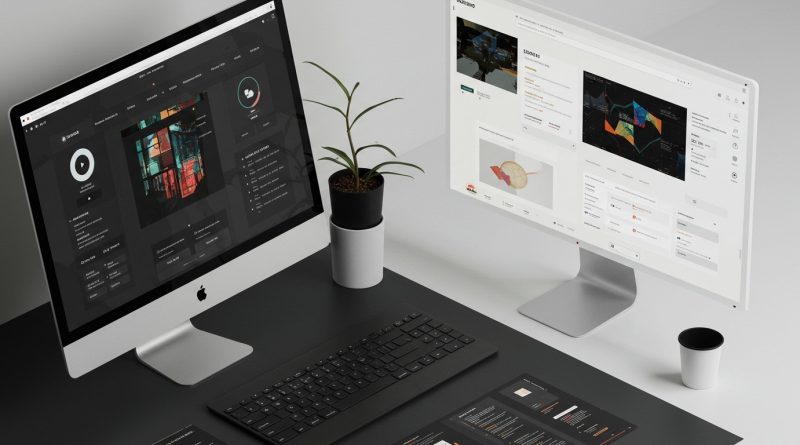
JHDD Web Design Report — 2026.08.19
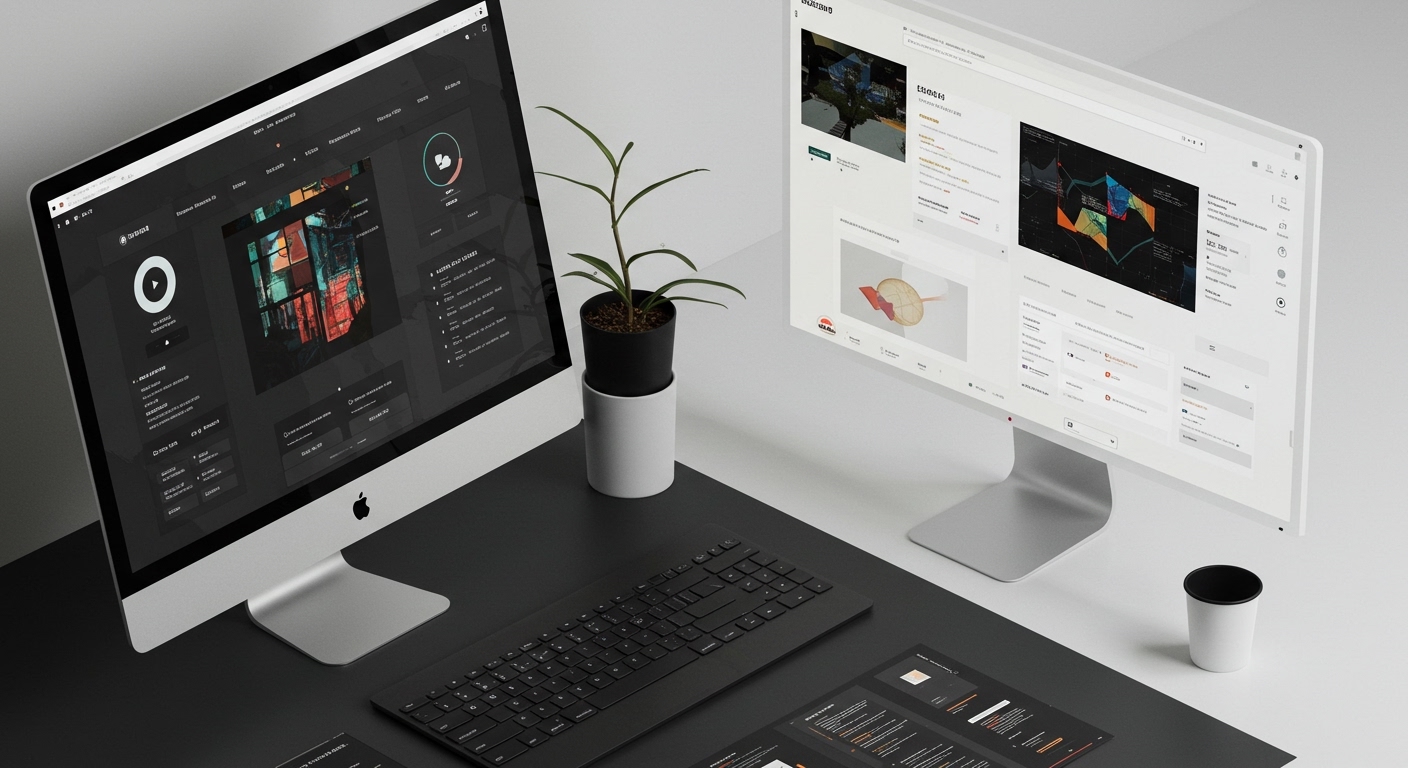
HAOQI.DESIGN’s retro-futurist portfolio demonstrates a deliberate and technical interplay of DOM, CSS, and WebGL, a specific detail many would overlook as pure aesthetics.
The convergence of these independent reports highlights a maturing craft in web experiences, where the pursuit of rich, interactive storytelling is increasingly met with sophisticated technical integrations. Whether through Webflow with GSAP and dynamic CMS data, or the complex staging of DOM and WebGL elements, designers are actively blending established web technologies with advanced rendering techniques. This approach prioritizes a seamless user experience that often involves bespoke motion and deep interaction, pushing beyond templated solutions to deliver unique digital identities and narratives. The goal is not merely visual flair, but a deeper integration of form, function, and performance across diverse technological stacks.

The work of studios like OFF+BRAND., known for crafting high-impact digital experiences for clients like Microsoft, exemplifies a critical shift in how large-scale web projects are approached. Mainstream industry opinion frequently holds that high performance on enterprise websites necessitates a minimalist, often static, aesthetic or reliance on highly optimized, but visually constrained, component libraries. This view, however, overlooks the strategic advantage of meticulously crafted motion, typography, and interactive elements when implemented with front-end rigor. The assumption that visual richness inherently degrades performance or scalability is often a simplification that fails to distinguish between thoughtless embellishment and engineered artistry. Craft at this level means understanding the browser’s render pipeline, optimizing asset delivery, and intelligently offloading complex calculations, rather than merely avoiding them.
HAOQI.DESIGN’s method, specifically their use of scroll sync and glass shaders to create a retro-futurist stage, illustrates that merging DOM structures with WebGL offers a powerful avenue for distinct visual language without sacrificing core web principles. This hybrid methodology, meticulously balancing native browser capabilities with GPU-accelerated rendering, allows for experiences that are both deeply interactive and inherently “of the web.” By late 2027, this integrated approach, leveraging advancements in WebGPU and a more robust understanding of browser threading models, will become a standard expectation for high-end digital branding, pushing beyond single-canvas WebGL sites and generic DOM-only layouts. The industry will see more sophisticated toolchains emerge to facilitate this blend, moving beyond current custom-coded solutions towards more accessible frameworks.
The primary resistance to this integrated, high-fidelity craft comes from the pervasive “minimum viable product” (MVP) mindset, often coupled with rigid interpretations of generic performance scores like Lighthouse audits, particularly when these are not contextualized for the specific goals of a unique user experience. This resistance is further amplified by project management methodologies that prioritize rapid feature deployment over iterative refinement of front-end detail. The drive to deliver “fast enough” rather than “exceptional” often prevents the allocation of resources necessary for deep performance optimization and the thoughtful integration of advanced visual techniques, treating them as optional enhancements rather than foundational elements of a compelling digital product.
A working Web Design professional should, in the coming weeks, dedicate time to deconstruct examples of hybrid DOM and WebGL implementations, specifically focusing on how scroll positions, user inputs, or even CSS variables are used to drive WebGL scenes. This involves moving beyond surface-level tutorials to examine the underlying JavaScript and shader code of projects like HAOQI.DESIGN, understanding the communication channels between the DOM and the WebGL canvas, and how performance budgets are managed in these complex setups. Applying these principles to even a small personal project can reveal practical strategies for integrating richness without compromising browser responsiveness.
TL;DR
The web is moving towards sophisticated, integrated experiences that blend DOM and GPU-accelerated rendering for enhanced storytelling and unique digital craft.
Curated References
About this editorial — This piece was developed using AI-assisted research and curation across multiple industry sources. All analysis, opinions, and predictions represent the editorial perspective of JHDD. Sources are linked in the references section above.