JHDD Branding Report — 2026.08.06
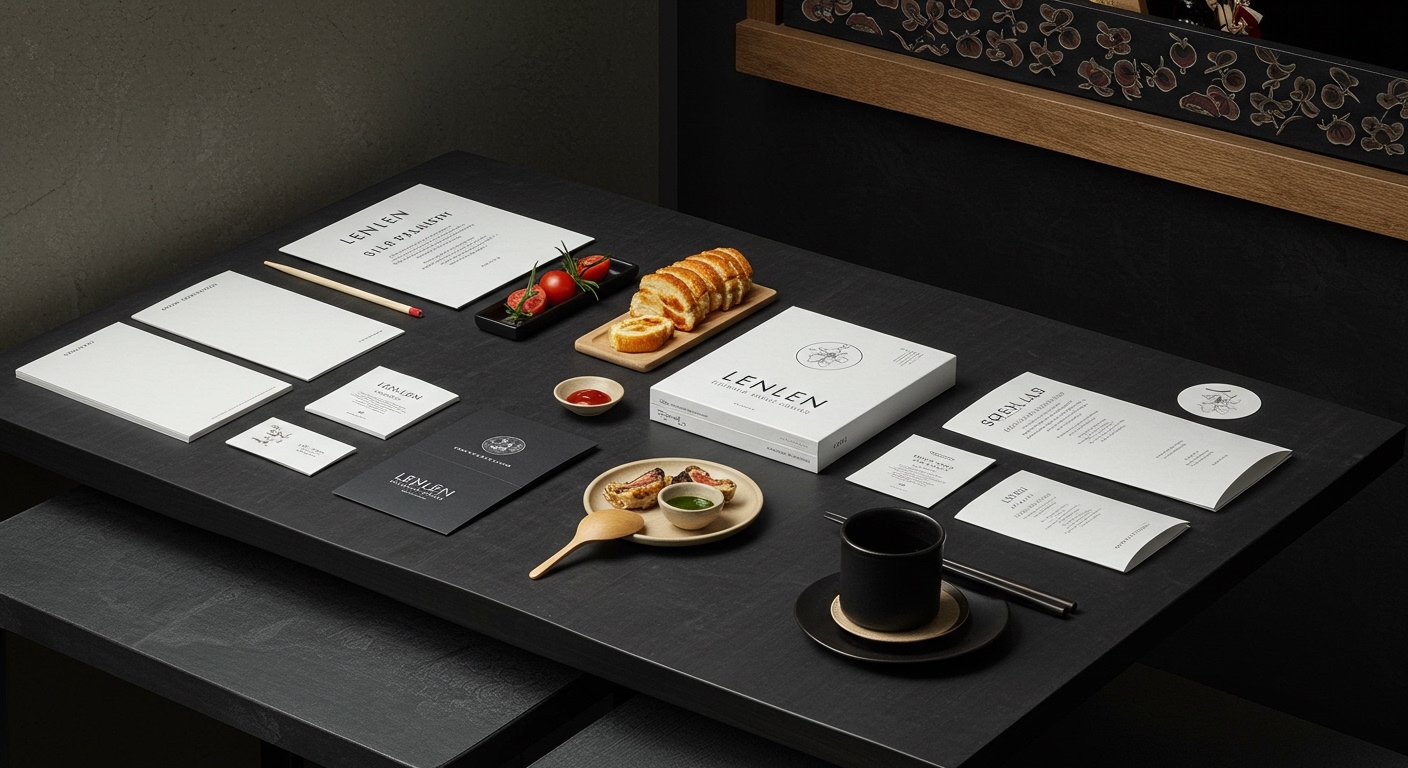
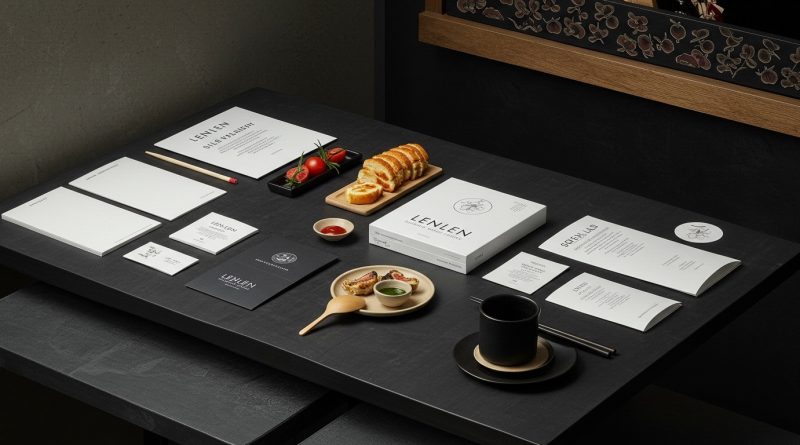
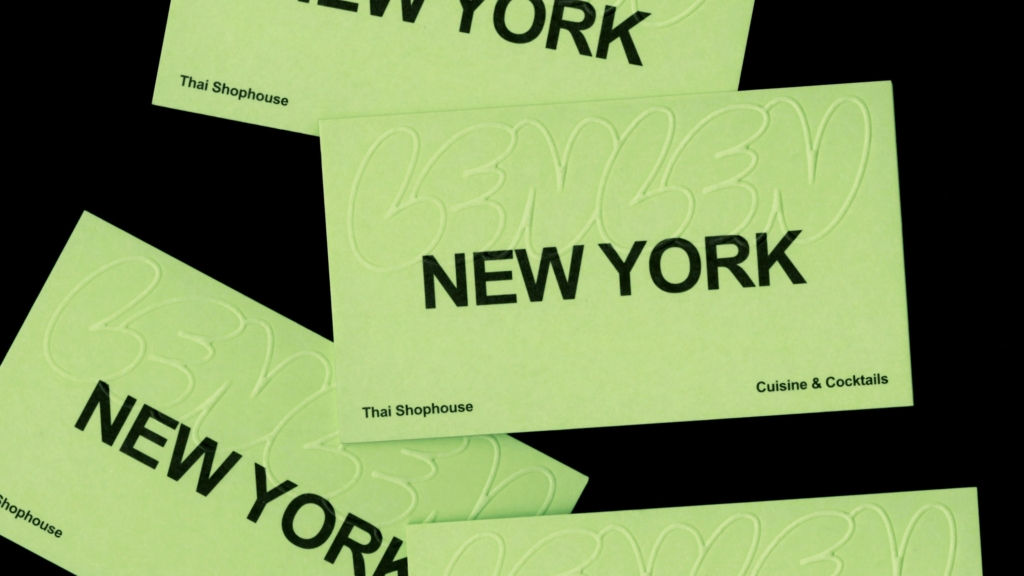
Pentagram New York’s identity for LenLen, a Manhattan “shophouse” style Thai restaurant, is characterized by its “controlled chaos.”
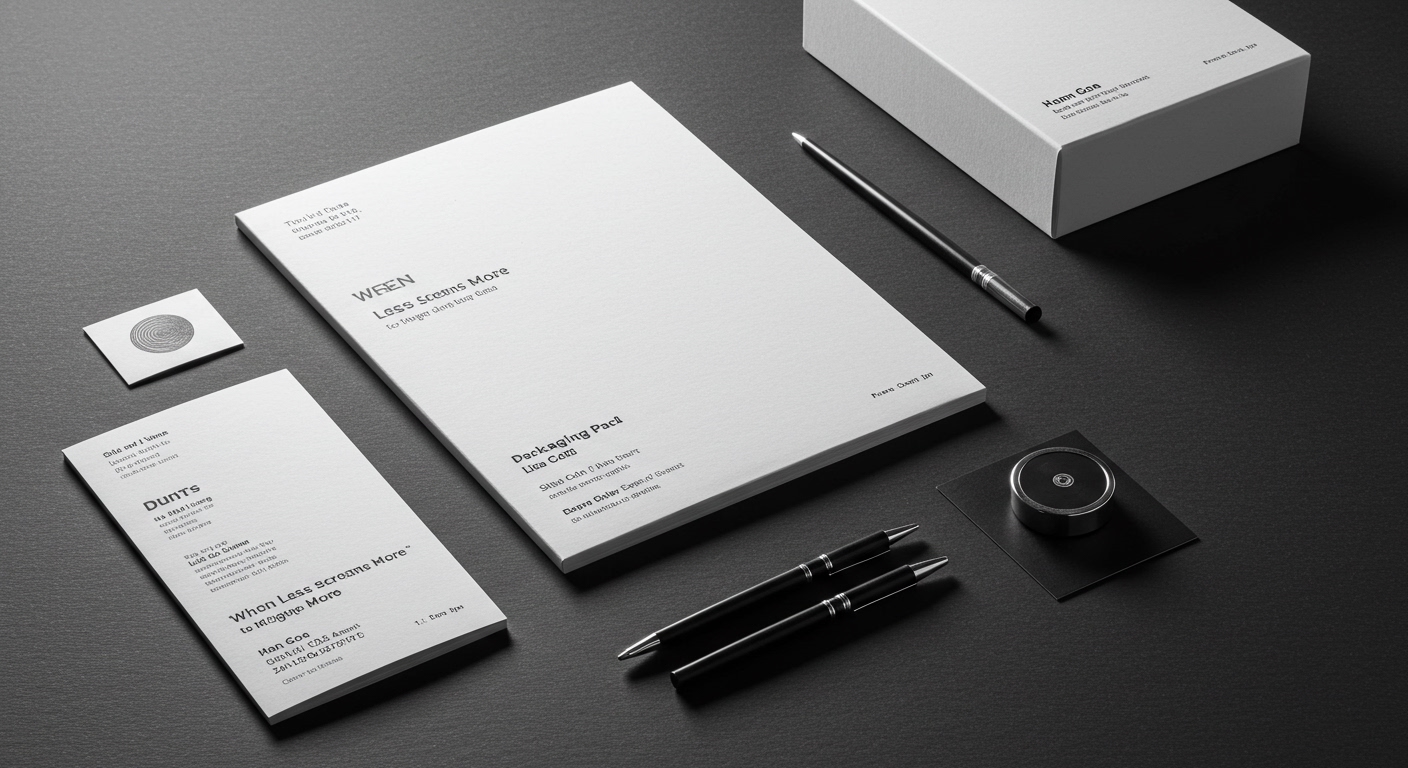
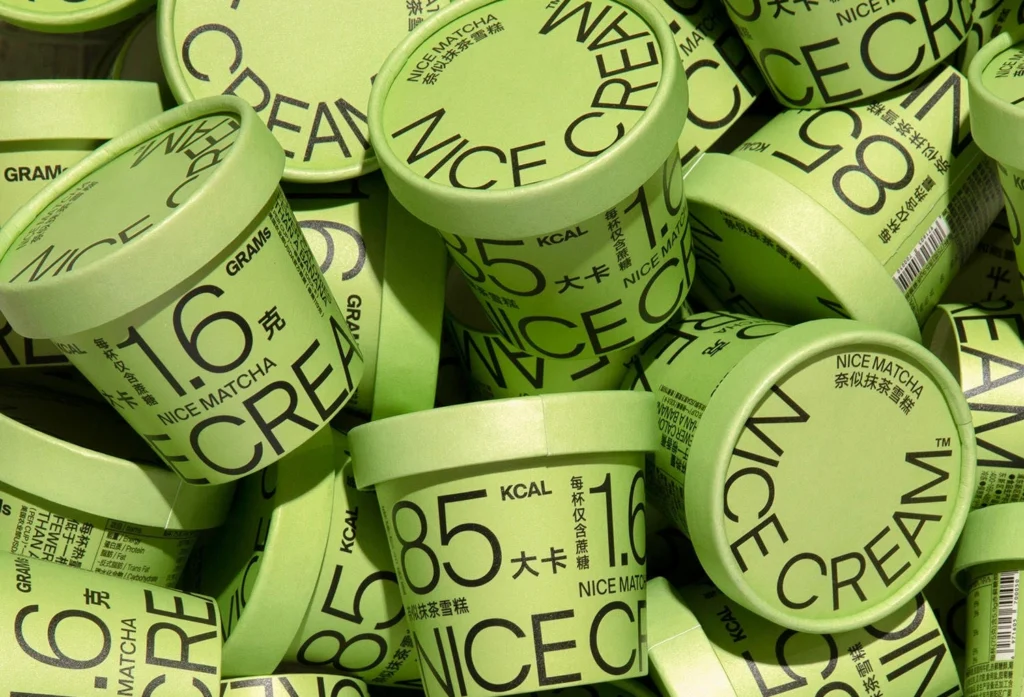
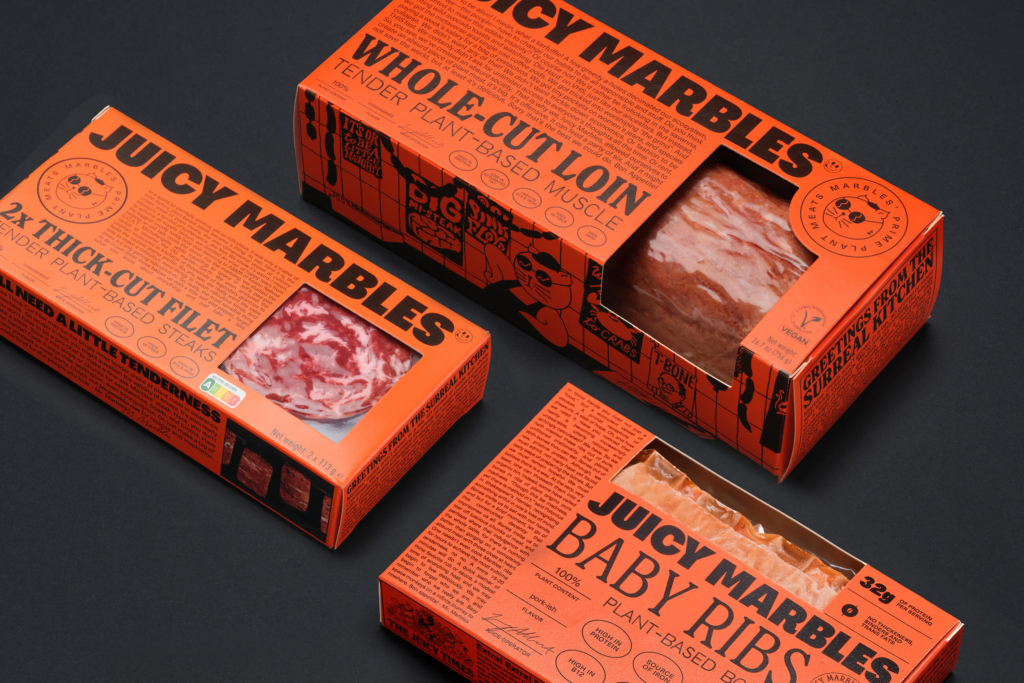
This approach reflects a broader strategic pivot. Across diverse sectors, designers are crafting identities that either subtly reaffirm existing equity or deliberately disrupt conventional category signals through carefully curated ambiguity or restraint. Han Goa’s packaging concept for Nice Cream, which packaging expert Lisa Cain discussed, also exemplifies this. The design for Nice Cream and Ljudje’s identity for vegan meat brand Juicy Marbles both leverage minimalist or unconventional visual cues to establish specific market positions, intentionally deviating from category norms. Similarly, 20(Something)’s identity for civic software platform Open Point borrows from “museum-modernity” and tech, reflecting an unnamed but observed cultural trend of text emblazoned on clothing, signaling a brand’s alignment with specific aesthetic subcultures rather than purely functional messaging. The connecting thread is a shift from overt brand communication to more subtle, culturally intelligent signaling.
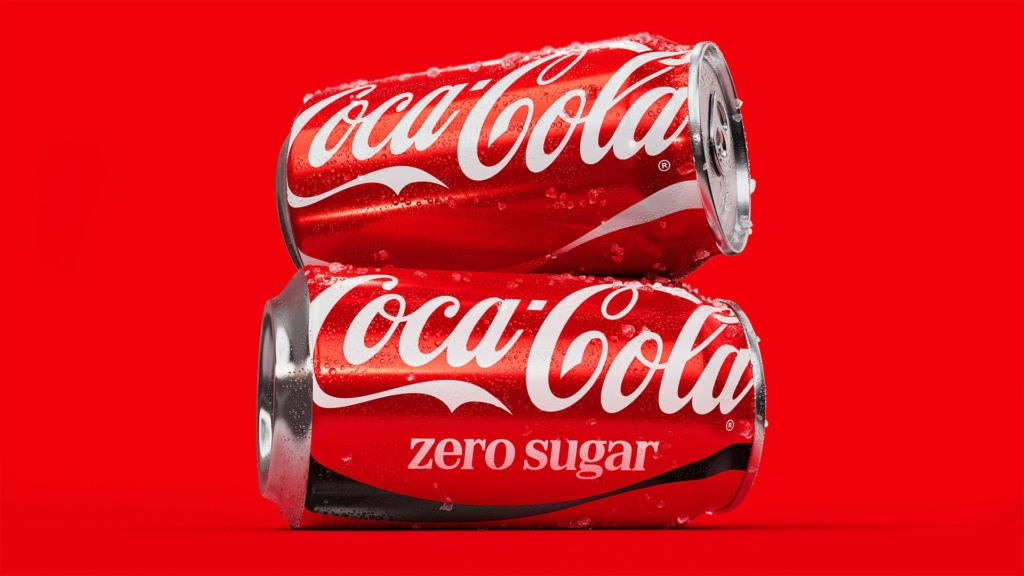
JKR’s approach for Coca-Cola, described as “barely a rebrand,” exemplifies this strategy. Instead of a sweeping visual overhaul, JKR reinforced existing elements like the specific combination of red and white and the alliterative script serif type. This move challenges the mainstream industry belief that consistent visual evolution through frequent rebrands is paramount for global brands to maintain relevance. On the contrary, Coca-Cola demonstrates that deep, almost invisible entrenchment of a visual identity, allowing it to become a shorthand for its category, builds an enduring brand equity that annual design refreshes cannot match. For a brand of Coca-Cola’s stature, any dramatic departure would not signal progress but a loss of essential equity and established market positioning as a cultural constant.
This strategic restraint will become more common for heritage brands. By mid-2027, at least three more Fortune 100 companies will announce significant identity projects that are characterized by subtle refinements and a focus on reinforcing existing, deeply ingrained visual assets, rather than introducing disruptive new elements. Their market positioning will shift from “innovator” in design to “unwavering constant” in an increasingly fragmented cultural landscape.
The primary opposing force remains internal. Brand managers and marketing departments, often under pressure for quarterly performance metrics, frequently misinterpret “innovation” as necessitating overt visual change or disruptive campaigns. They prioritize easily quantifiable, short-term buzz over the more subtle, long-term cultivation of cultural equity. This mindset often pushes for design updates that are visible for visibility’s sake, rather than for strategic reinforcement of core identity or nuanced cultural signaling. This short-term focus resists the strategic patience required for deep equity building through restraint or subtle subversion.
Branding professionals should dedicate a full day this week to identifying and articulating the precise cultural signals a client’s brand currently activates, whether intentionally or not. For instance, consider a product like Juicy Marbles and analyze how its identity by Ljudje, instead of explicitly stating “vegan meat,” conveys a distinct personality that resonates with a specific consumer segment. This involves moving beyond functional descriptions to understanding the subconscious associations and subcultural alignments a brand’s visual system is fostering. Then, develop a strategic brief for an upcoming initiative that prioritizes reinforcing and subtly amplifying these specific signals, rather than introducing entirely new visual messages or aiming for broad, generic appeal. This demands a shift from asking “What does this identity say?” to “What cultural conversation does this identity join or provoke?”
TL;DR
Brands are strategically embracing subtle design and cultural signaling over overt visual change to build deeper equity.
Curated References
About this editorial — This piece was developed using AI-assisted research and curation across multiple industry sources. All analysis, opinions, and predictions represent the editorial perspective of JHDD. Sources are linked in the references section above.