JHDD Packaging Report — 2026.08.06
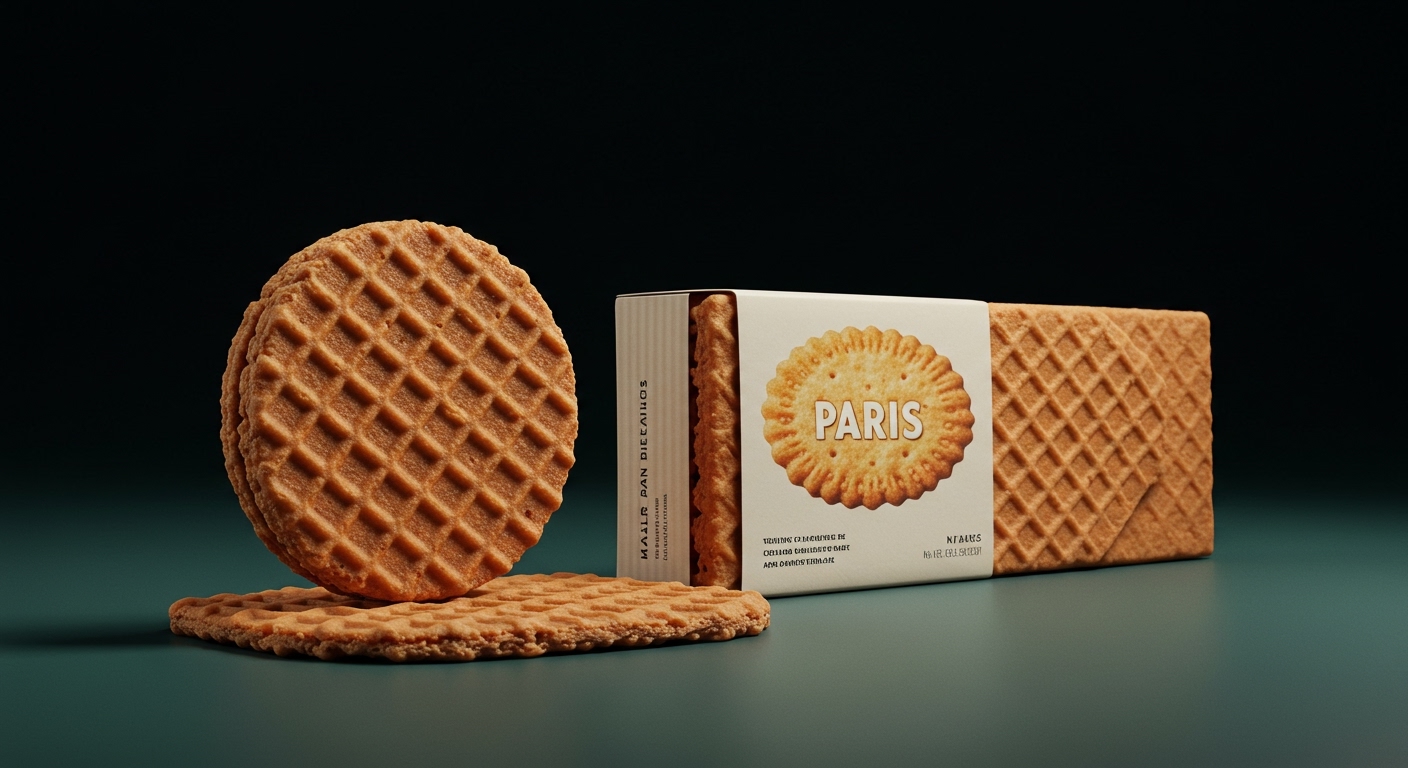
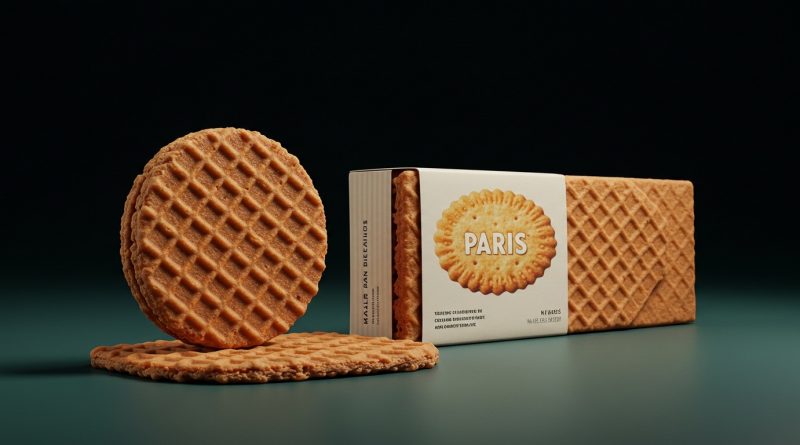
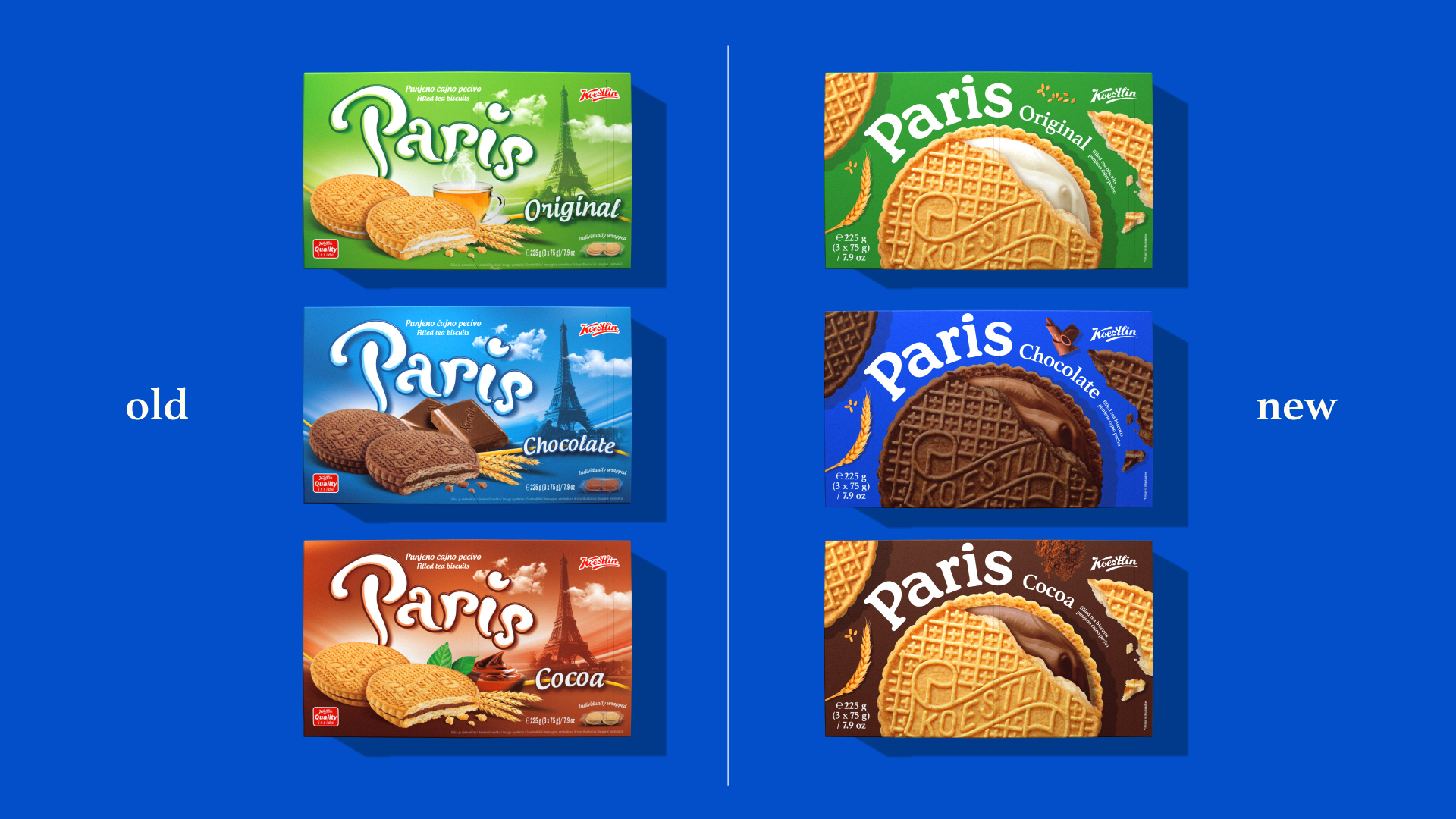
Paris’ redesign by Imago Ogilvy elevates a simple biscuit by making its waffle texture the primary visual artwork.
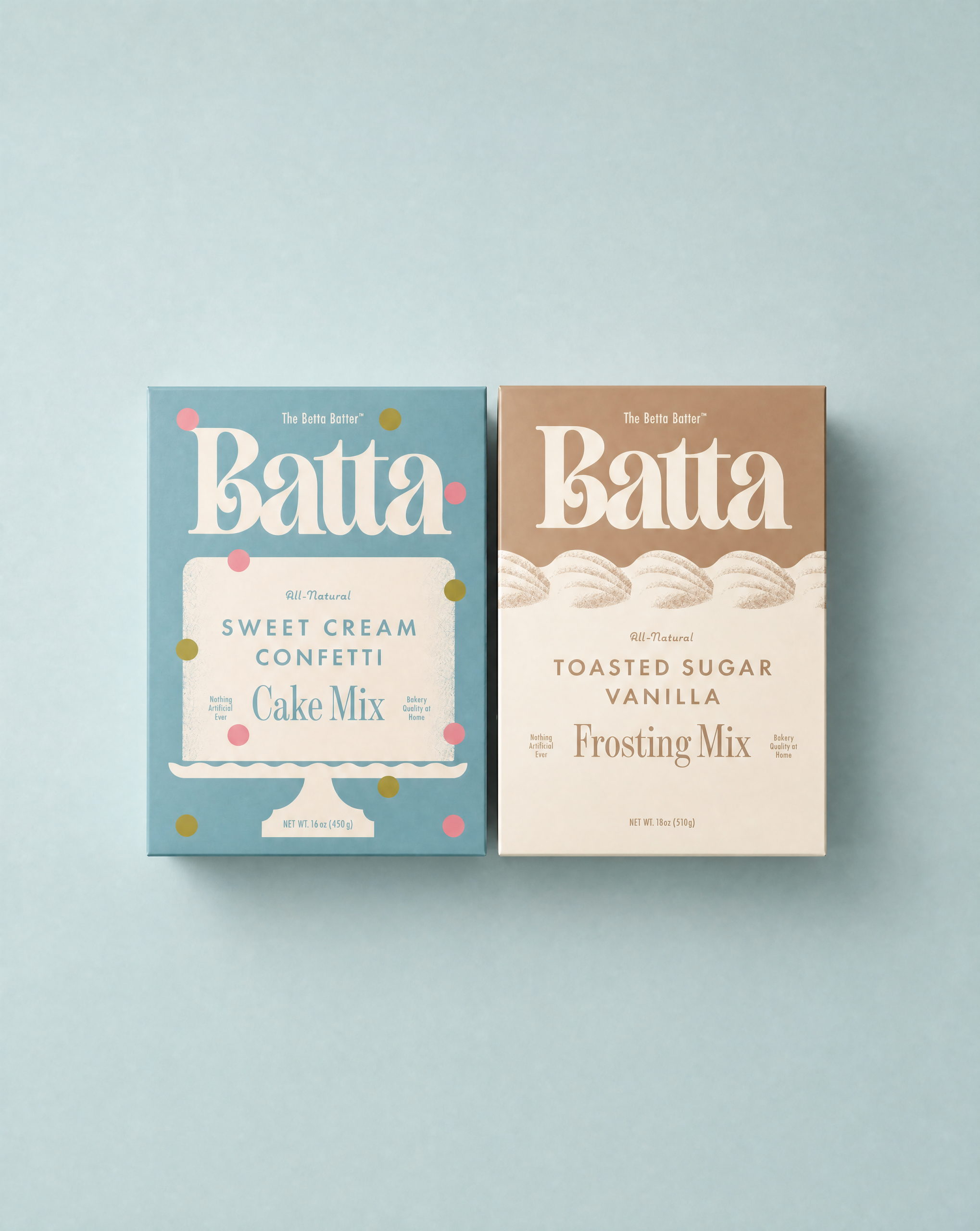
This directness, whether it is Paris making the product itself the hero, Batta Bakes invoking patisserie elegance with frosted cake silhouettes, or Buff Beauty adopting cheerful, color-coded tubes for nail care, signals a broader shift. Brands are bypassing abstract claims to communicate inherent value and sensory experience through tangible package attributes. The emphasis is less on overt marketing language and more on the intrinsic appeal of the product’s form, texture, and implied origin. This move towards unfiltered authenticity enhances shelf impact by creating an immediate, visceral connection.
The conventional wisdom often reduces sustainable packaging to a checklist of material inputs: recycled content percentage, biodegradability, or compostability. This quantitative focus, while important, often overlooks the qualitative, human experience. A premium feel, achieved through specific textures or substantial weight, can dramatically extend a package’s perceived lifespan in the consumer’s home, or encourage its reuse. The “patisserie treatment” Christina Fischer at Studio MPLS applies to Batta demonstrates this. It suggests that a package offering genuine delight and robust quality, even if it requires a thoughtful material choice, might be more sustainable in practice if it avoids immediate discard. This contradicts the mainstream assumption that less material or purely recycled material automatically equals superior sustainability.
The path to genuine packaging sustainability, particularly in the tactile branding space, often involves investing in durable, sensory-rich materials that encourage prolonged interaction or secondary use, thus reducing overall consumption and waste. For Batta, this means not just visually appealing design but paperboard with a specific, luxurious tactility that feels substantial and resists immediate crumpling, fostering an unboxing experience that signals quality. This tactile engagement transforms packaging from a mere container into an artifact that people are less inclined to discard. JHDD predicts that by mid-2027, a significant number of brands will integrate design features that encourage packaging repurposing, such as robust structural elements, display-worthy aesthetics, or unique tactile surfaces that retain their appeal long after the product is consumed. This will move beyond simple recycling claims to focus on extending the packaging’s functional or emotional life.
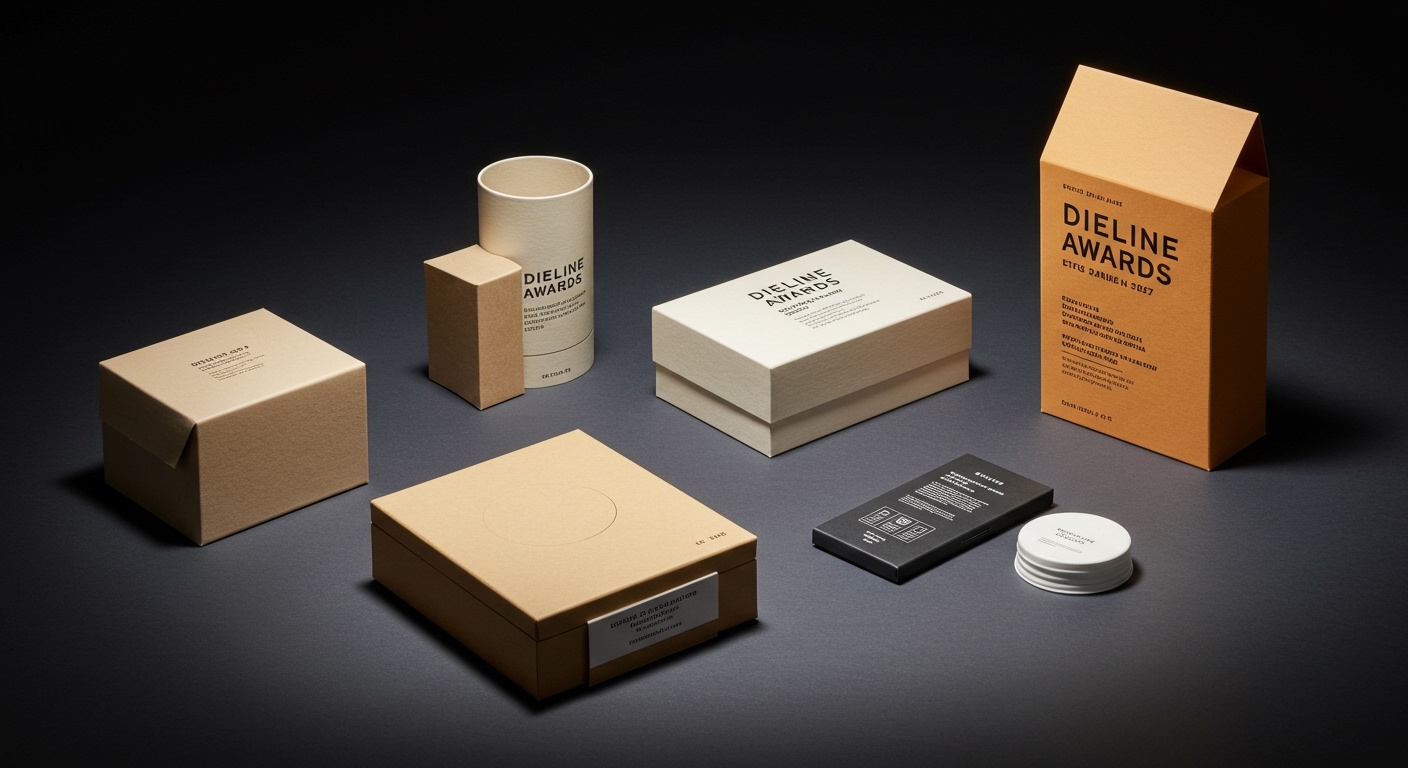
The primary resistance to this approach comes from procurement teams and supply chain optimization models fixated solely on unit cost reduction and weight minimization. These departments often prioritize immediate financial metrics and perceived efficiency over the longer-term brand equity, consumer engagement, and true lifecycle impact that richer material investments can foster. Their focus on the “cheapest entry point” for packaging design, as hinted by the DIELINE Awards’ pricing tiers, often overshadows the strategic value of design innovation.
A working packaging professional should this week investigate and present alternative material specifications that enhance tactile branding and perceived durability, even if they have a slightly higher initial unit cost. This includes exploring paperboards with specific surface textures, bioplastics with unique haptic properties, or closures that offer a satisfying tactile click, rather than defaulting to the lowest common denominator for sustainability or cost. The aim is to build a business case around the extended value proposition, not just the raw material cost.
TL;DR
Packaging must shift from being merely functional and visually appealing to offering a deep, tangible sensory experience that fosters lasting consumer connection.
Curated References


About this editorial — This piece was developed using AI-assisted research and curation across multiple industry sources. All analysis, opinions, and predictions represent the editorial perspective of JHDD. Sources are linked in the references section above.