JHDD Architecture Report — 2026.08.07
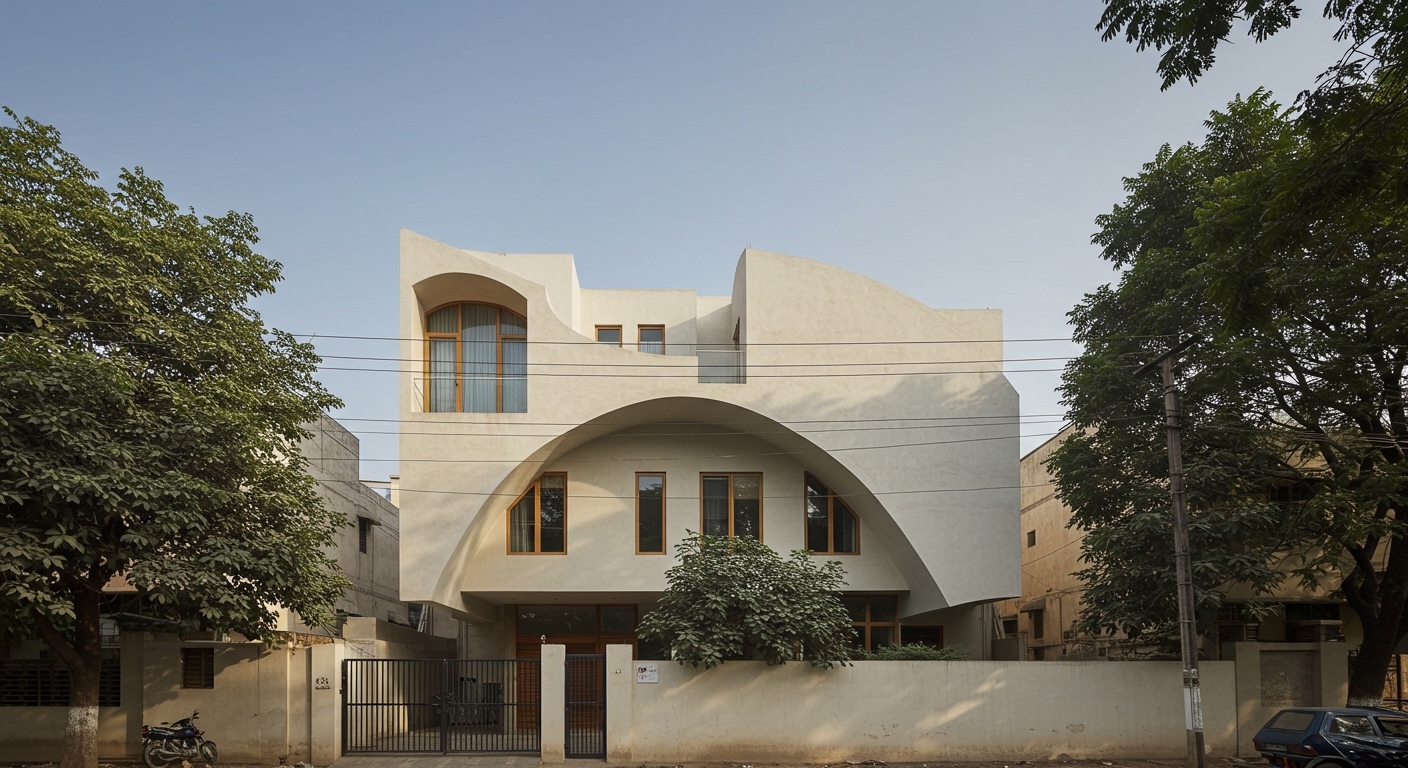
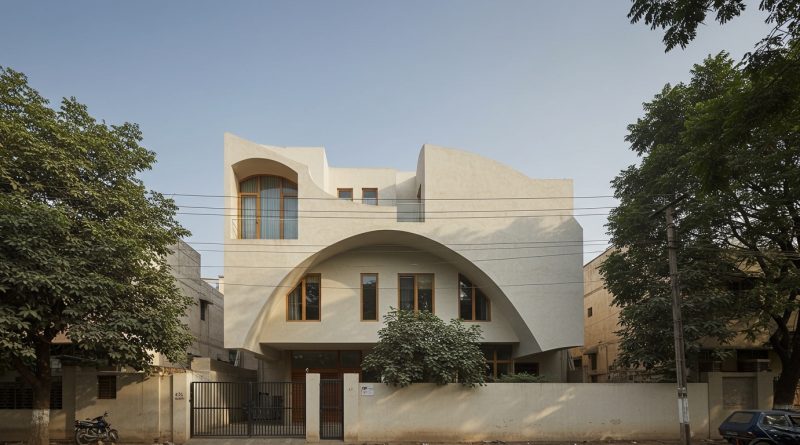
The LJ House in Ahmedabad incorporates gently curving rooflines on a compact urban plot, demonstrating a contextual architectural response to specific urban conditions.
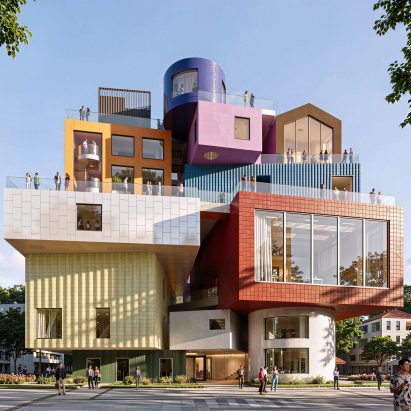
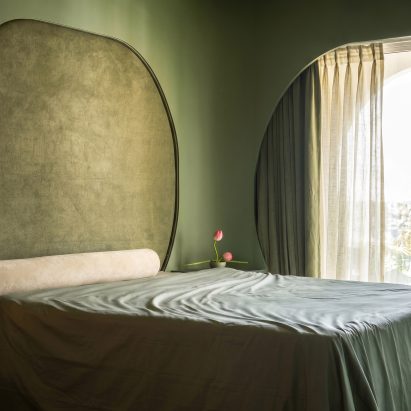
This localized approach contrasts with the broader trend where architectural intent is often pulled in two divergent directions: towards visually arresting, large-scale developments that make bold statements, or towards the commodification of “design” through celebrity-driven product lines. While projects like the Val d’Oust Cultural Center by Atelier 56S focus on enhancing public spaces and pedestrian connections through integrated interventions, and The Act of Quad’s A Borrowed Memory apartment renovation adapts to multi-generational living with specific material inspirations, MVRDV’s Bihailou Art Village presents a stack of colourful volumes in Shenzhen, and the Castlery x Tan France Collection introduces an 18-piece homeware range. These disparate projects reveal a fundamental tension between deeply rooted, responsible design and the growing external pressures of market spectacle and lifestyle branding.
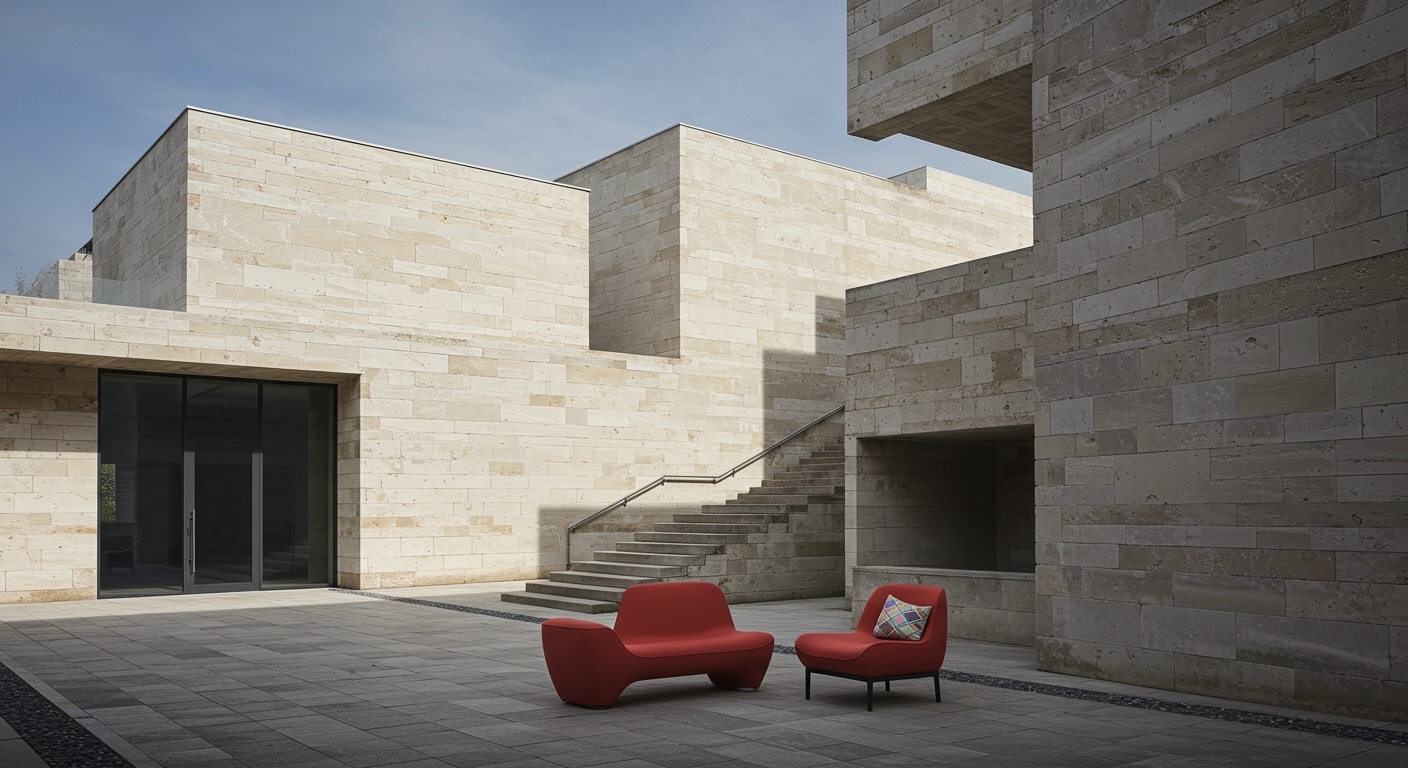
The Val d’Oust Cultural Center by Atelier 56S, designed to strengthen pedestrian connections and enhance public spaces, exemplifies a structural philosophy where the building’s form directly serves its urban context. This project integrates itself into the intersection of a church square and Jules Ferry Street, prioritizing genuine community utility over architectural exhibitionism. This approach contradicts the mainstream industry’s often unspoken belief that significant architectural impact requires grand, visually iconic forms or novel material application for its own sake. Instead, the Val d’Oust project demonstrates that true material honesty lies in how well a structure supports and enriches its immediate environment, utilizing robust and appropriate materials without unnecessary embellishment, ensuring longevity and adaptability. Its success is not measured by its photogenic qualities but by its seamless integration and functional contribution to the public realm. Within two years, urban planning policies across Europe will increasingly mandate post-occupancy evaluations for public buildings, specifically assessing their success in fostering pedestrian activity and community engagement rather than just aesthetic appeal or initial build cost metrics.
Conversely, the Castlery x Tan France Collection, an 18-piece homeware line, represents a commercial trend that positions celebrity endorsement as a primary driver of design value. This mainstream industry narrative suggests that such collaborations democratize design or elevate consumer taste. However, this contradicts the architectural principle that genuine design value originates from a rigorous consideration of material sourcing, production ethics, and product lifecycle. These celebrity-led ventures frequently bypass transparent discussions about the environmental footprint of their mass-produced items, focusing instead on aspirational branding and superficial aesthetics. Such an approach undermines material honesty by prioritizing consumer desire over durable, responsibly sourced, or adaptable solutions, offering fleeting style rather than lasting utility. By mid-2027, amplified consumer demand, coupled with impending regulatory shifts, will compel mass-market brands to publish comprehensive, third-party verified lifecycle assessment data for furniture products, forcing a shift from celebrity-led marketing to verifiable sustainability credentials.
The specific opposing force resisting this shift towards responsibility is the relentless marketing engine of the global consumer goods industry and its associated media, which prioritizes rapid stylistic turnover and novelty. This engine feeds on the constant generation of new trends and aspirational narratives, often featuring celebrity associations, pushing client briefs towards visually striking but potentially unsustainable or contextually inappropriate solutions.
Architecture professionals must integrate comprehensive lifecycle assessments into their material specification processes as a non-negotiable standard. This involves demanding full transparency from suppliers regarding embodied carbon, resource depletion, and end-of-life scenarios for every component, thereby steering projects towards genuinely sustainable and durable material choices, even when faced with cost pressures or aesthetic fads.
TL;DR
Architecture must prioritize genuine material honesty and urban responsibility over celebrity endorsement and superficial aesthetic trends.
Curated References

About this editorial — This piece was developed using AI-assisted research and curation across multiple industry sources. All analysis, opinions, and predictions represent the editorial perspective of JHDD. Sources are linked in the references section above.