JHDD Interior Report — 2026.08.07
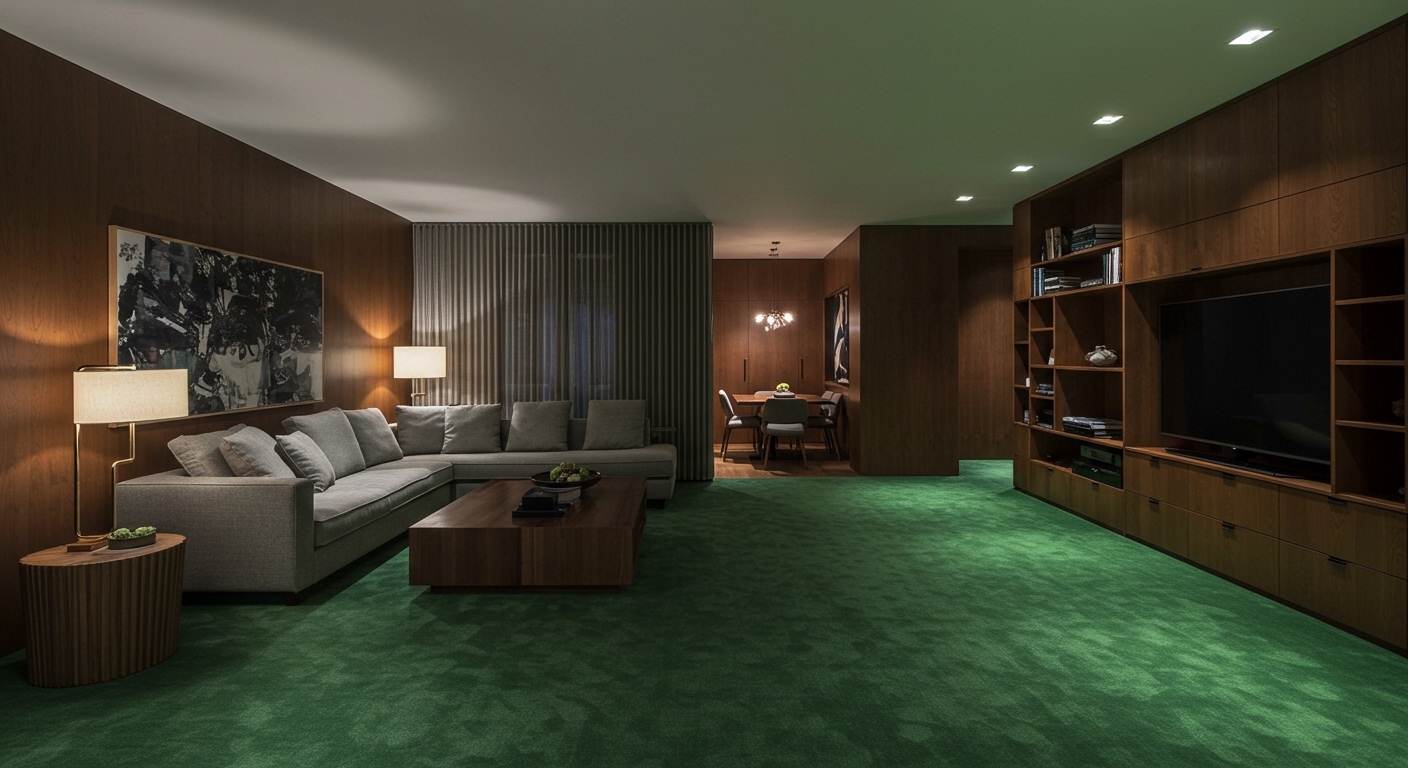
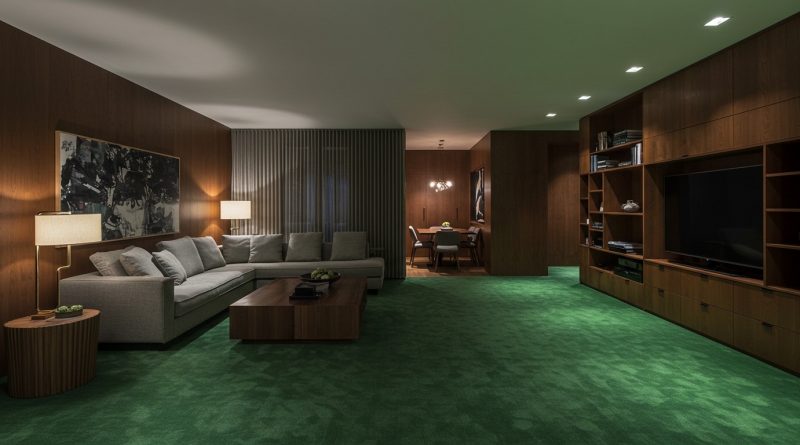
The continuous green flooring in The Act of Quad’s A Borrowed Memory apartment in Mumbai directly translates the imagery of Kerala backwaters into a domestic space.
This specific material choice, alongside Ómós guesthouse striving for a feeling “like nothing else in Ireland” through tactile surfaces, reveals a deeper pattern than mere regionalism. Designers are moving beyond general themes of comfort or local authenticity. They are now explicitly engineering highly particular, often non-universal, sensory memories or specific atmospheric conditions directly into a space’s materiality and spatial flow. This shift prioritizes a granular, narrative engagement with history, geography, or even specific technical origins, rather than broadly appealing aesthetics.
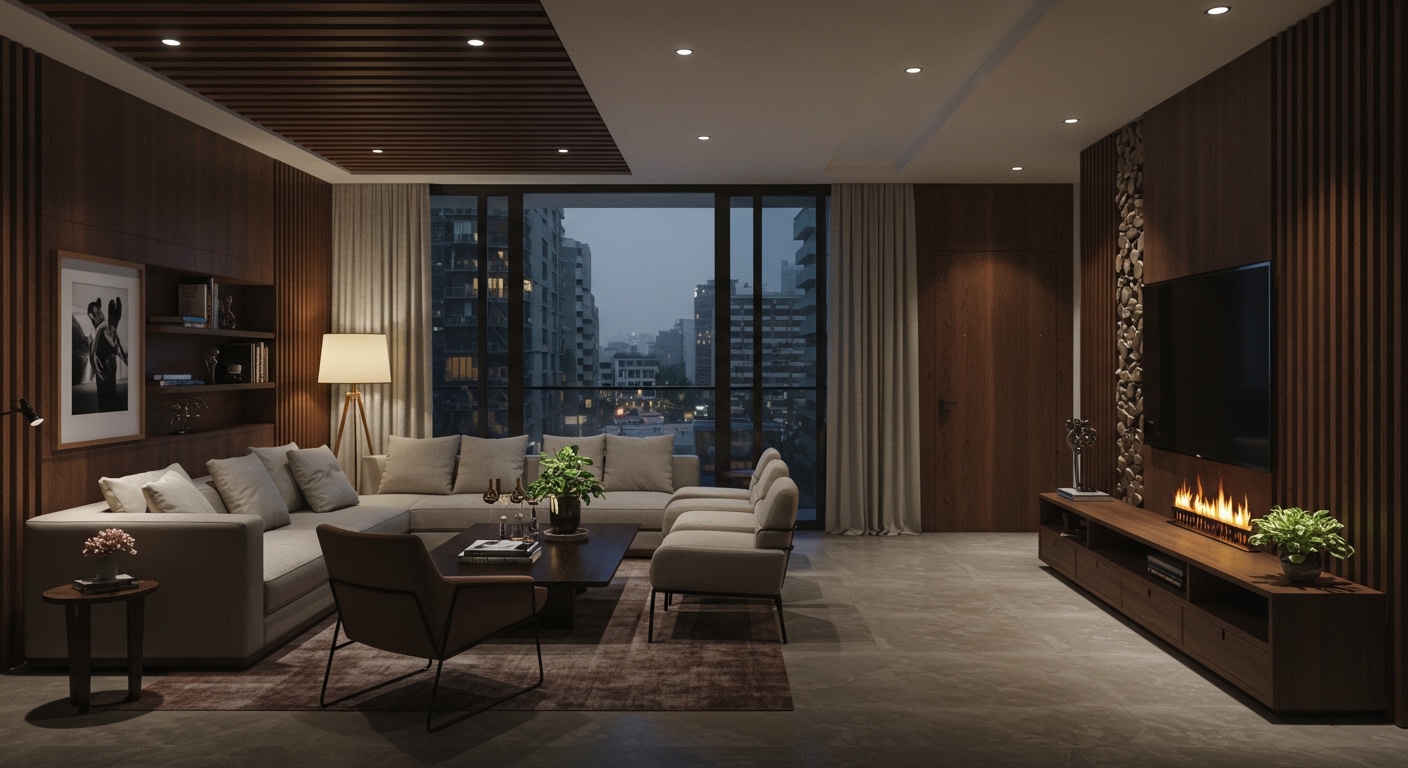
Joyce Wang’s interior renovation at the Mandarin Oriental The Landmark in Hong Kong, designed to evoke “colonial country manors,” exemplifies this narrative precision. While conventional wisdom often posits that true innovation lies in forging entirely new forms or rejecting historical references, Wang’s strength is in her disciplined, selective recollection. She does not replicate a manor; she distills its sensory essence, its spatial rhythm, and its material weight into a contemporary context. This approach creates a complex spatial tension between the historic echo and the present function, yielding a tactile quality often richer and more memorable than a space built on purely novel design principles. This method allows for a layered human flow, where occupants navigate not just physical space but also a carefully curated temporal atmosphere. By early 2028, more high-end hospitality projects will explicitly brief for such specific, historically-rooted sensory echoes over generic contemporary luxury, using materiality to create distinct temporal and haptic dislocations.
Consider Norm Architects’ Dynaudio showroom in Copenhagen, conceived to resemble “speaker components unfolded.” This concept goes beyond mere display; it transforms the space itself into a material expression of the brand’s technical identity. Wood, aluminium, and reused textiles are not just finishes but intrinsic elements of a tactile narrative. The “unfolded” aspect dictates a particular human flow, guiding visitors through a sequence that articulates the inherent logic and craft of sound engineering. This creates an immersive experience, challenging the mainstream industry’s tendency towards minimalist, neutral showrooms that prioritize product isolation. Instead, the Dynaudio space leverages materiality and spatial arrangement to create an almost haptic understanding of audio fidelity, turning the environment into an extension of the product’s function.
The primary resistance to this highly specific, narrative-driven design often comes from large-scale developers or commercial clients who prioritize broad market appeal and ease of replication. Their briefs frequently demand “timeless” or “flexible” aesthetics, which can inadvertently lead to homogenized spaces devoid of the unique friction or resonance that deeper narrative engagement provides. Financial models that reward rapid deployment of standardized templates also oppose the extensive research and bespoke material application required for engineered sensory specificity.
An interior professional should, this week, conduct a detailed “sensory audit” of their project’s site or its immediate cultural context. Document specific existing material textures, prevalent local light qualities, indigenous soundscapes, and even historical patterns of human movement. Use these observations as primary conceptual drivers for material palettes and spatial configurations, rather than beginning with global trend forecasts or abstract aesthetic mood boards.
TL;DR
Design is increasingly about engineering specific, localized sensory narratives through material and spatial choices.
Curated References


About this editorial — This piece was developed using AI-assisted research and curation across multiple industry sources. All analysis, opinions, and predictions represent the editorial perspective of JHDD. Sources are linked in the references section above.