JHDD Architecture Report — 2026.07.30
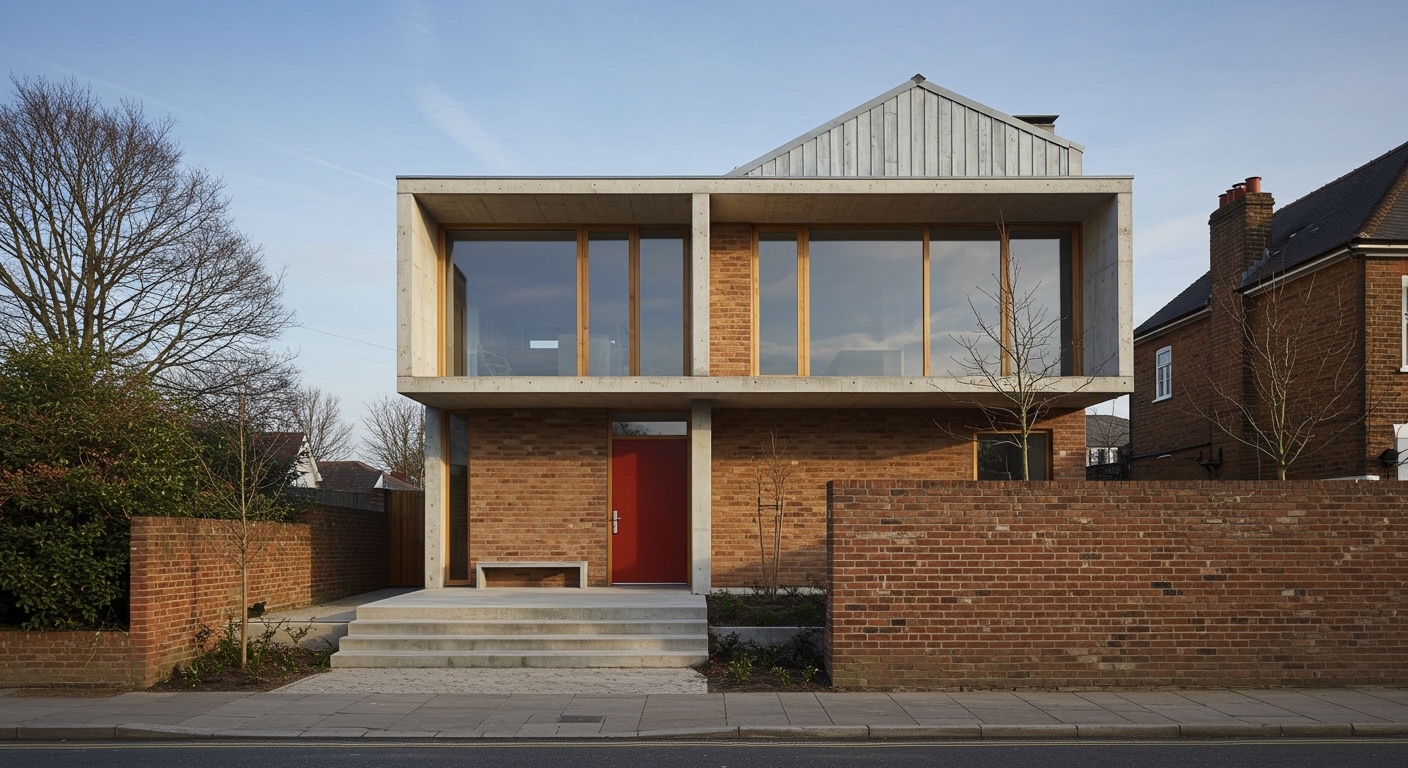
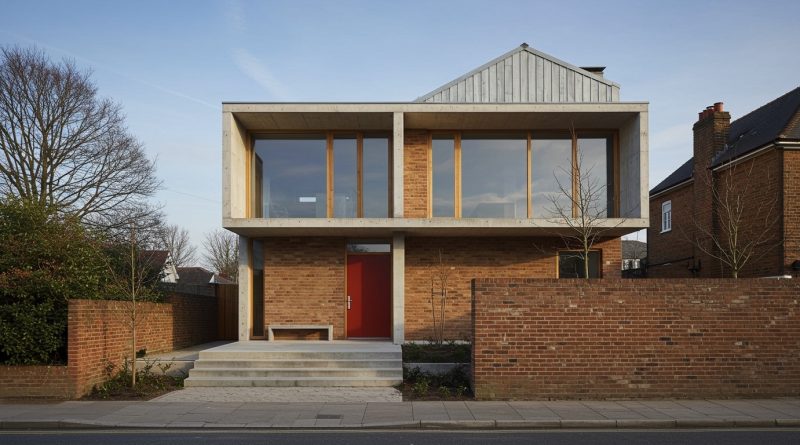
The Castlands Road house in Lewisham demonstrates a deliberate shift towards resourcefulness through its use of salvaged bricks and clay blocks.
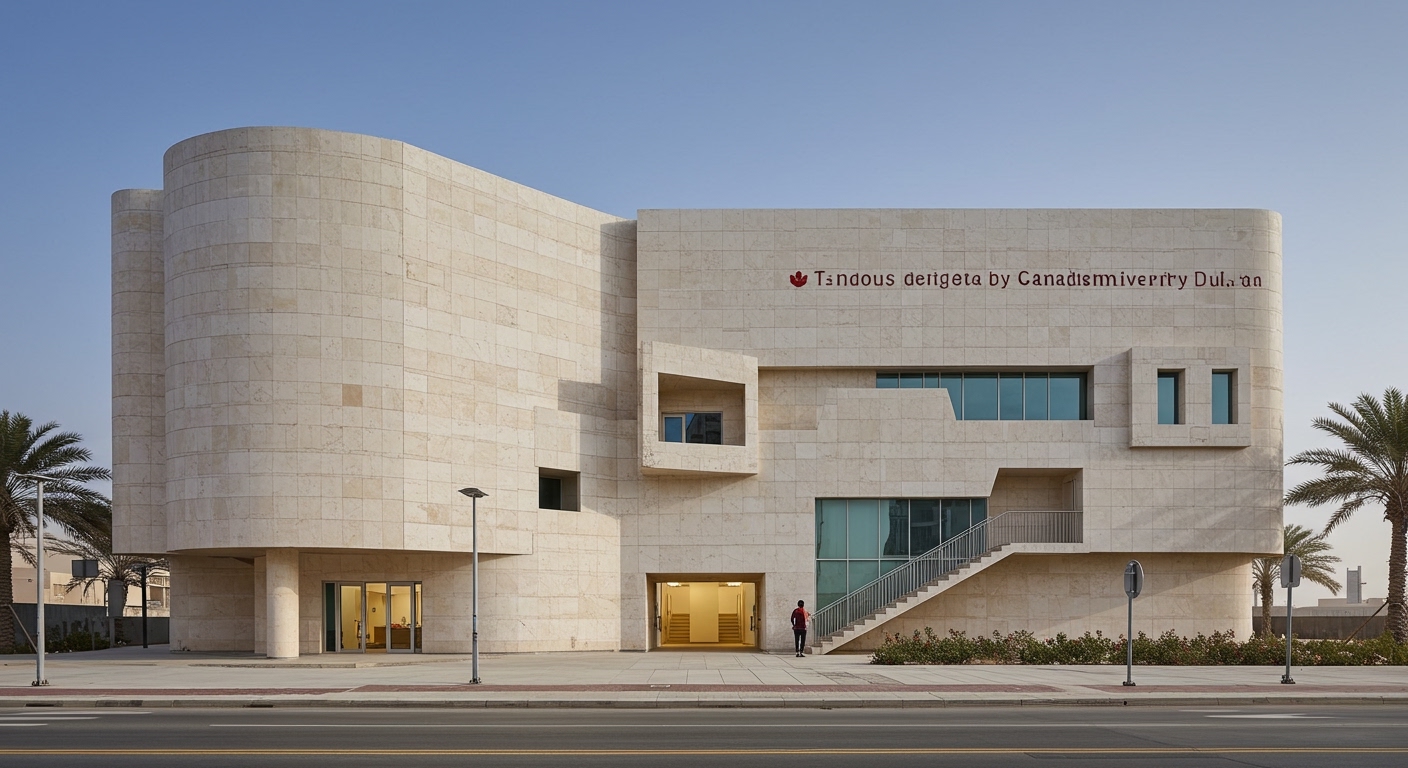
These diverse reports, from the adaptive interiors of Canadian University Dubai to the WPP Headquarters MIZAL office campus, quietly underscore a common re-evaluation of architectural inputs and outputs. The emphasis is shifting from monolithic design statements to granular material choices, user-specific functionality, and ecological integration, often without explicit declaration of these deeper connections in the initial press. This movement points towards an architecture that is increasingly responsive at a localized level, rather than solely aspirational or globally generic.
Bricolage’s self-built project, Castlands Road, provides a crucial counterpoint to much of the industry’s current sustainability discourse and its implied structural philosophy. While the profession often celebrates advancements in high-performance facades and complex mechanical systems, such as Germany’s largest closed-cavity facade at the Eller + Eller Architekten-designed WPP Headquarters Mizal office campus, these high-tech solutions frequently perpetuate a linear resource model. The prevailing industry opinion asserts that sophisticated certifications like DGNB Gold are the pinnacle of responsible building. However, this perspective overlooks the foundational environmental responsibility inherent in Bricolage’s approach: directly addressing the embodied carbon of materials through intensive reuse. Relying on certified, new components, even if energy-efficient in operation, often ignores the upstream environmental costs of extraction, manufacturing, and transport, and the downstream problem of waste. True urban responsibility extends to minimizing the material burden on the city itself.
The profound simplicity and material honesty demonstrated at Castlands Road represent a more authentic form of innovation, frequently overlooked by mainstream industry. By intentionally sourcing budget-friendly salvaged bricks and clay blocks, Will and Sogand Howard highlight a potential for urban construction that is genuinely circular, locally integrated, and significantly less resource-intensive. This approach prioritizes what is already present within the urban context, minimizing demand for new production and supporting local economies of reuse. This architectural choice is not merely about cost or aesthetics; it embodies a structural philosophy that values the inherent properties of repurposed elements, demonstrating durability and character distinct from mass-produced uniformity. This practice will move beyond niche projects; by mid-2029, a standardized, digitally networked marketplace for localized, reclaimed construction materials will be an established feature in at least five major European cities, fundamentally altering material sourcing for small to medium-scale urban infill developments.
The primary force resisting this pragmatic material innovation remains the entrenched supply chains of large-scale construction and a regulatory environment that often favors new, standardized products for ease of compliance and insurance. Procurement frameworks and prevailing financial models are typically structured around mass-produced virgin materials, making the integration of diverse, salvaged elements logistically challenging and commercially risky for larger projects. Furthermore, the perception of “value” often ties to the pristine and newly manufactured, rather than the character and inherent sustainability of reclaimed goods. This resistance is not malicious but systemic, built on decades of conventional practice that prioritizes predictability and scale over resourcefulness and deep urban integration.
An Architecture professional can immediately begin by conducting a micro-audit of their next project’s material specification. This involves identifying at least one major component currently specified as new and actively researching local demolition sites or established material reclamation centers for a suitable, reclaimed alternative. Such an action requires direct engagement with local waste streams and emerging material reuse networks, moving beyond theoretical sustainable declarations to tangible, localized action within the immediate urban context of the project. This shift in practice contributes directly to a more resilient urban fabric, lessening dependence on distant supply chains and fostering a culture of material stewardship.
TL;DR
The future of responsible architecture lies in local material reuse and adapting existing urban resources.
Curated References


About this editorial — This piece was developed using AI-assisted research and curation across multiple industry sources. All analysis, opinions, and predictions represent the editorial perspective of JHDD. Sources are linked in the references section above.