JHDD Interior Report — 2026.07.30
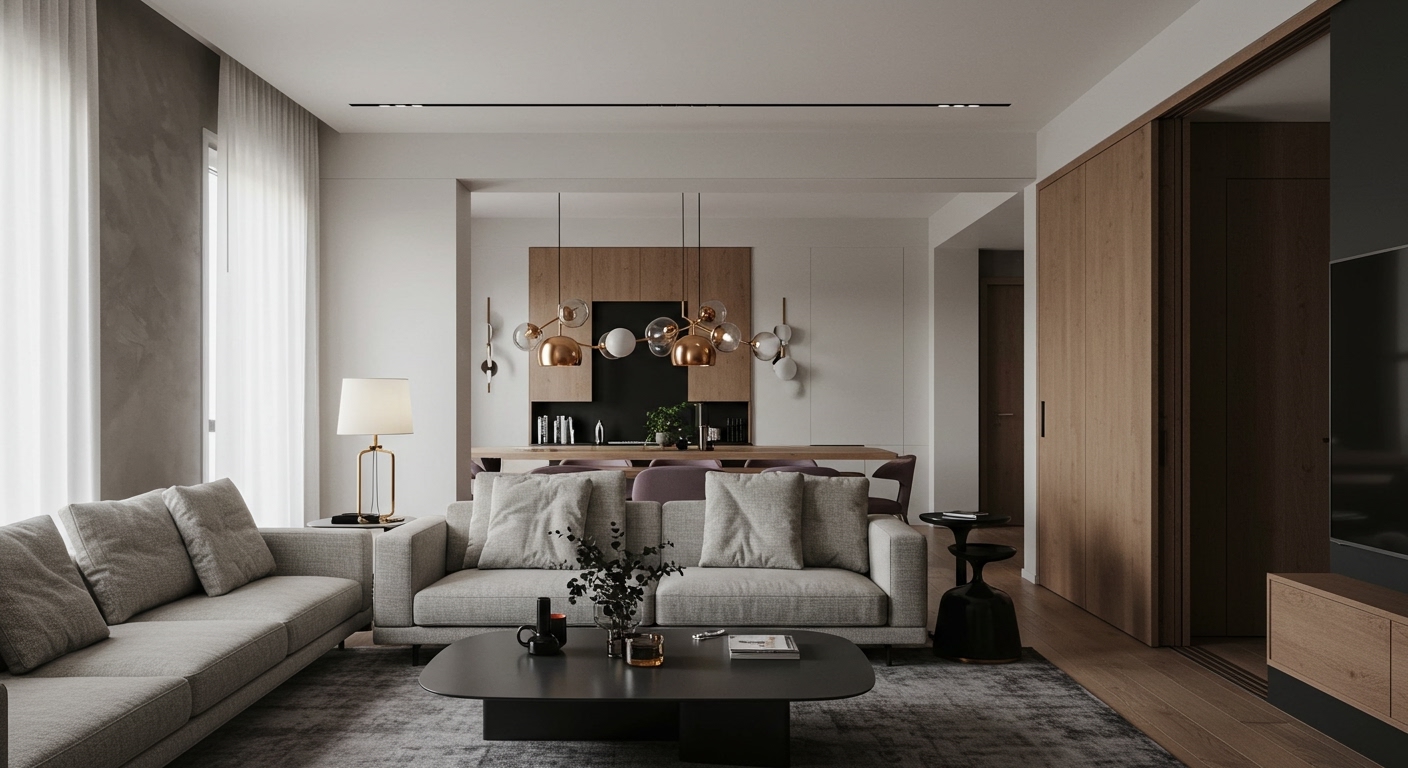
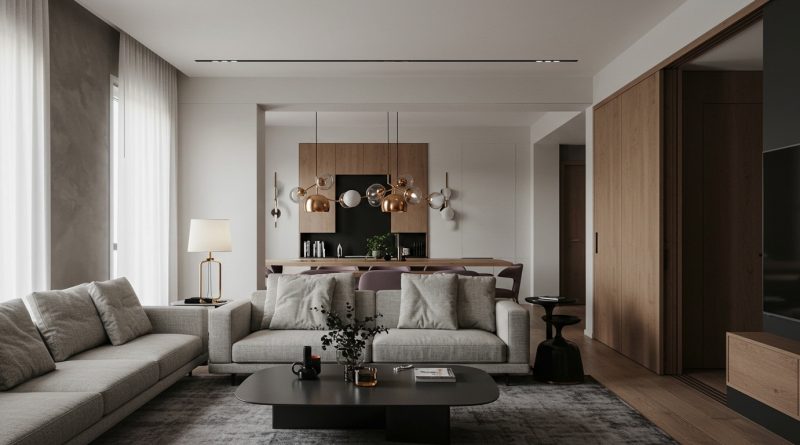
Georgios Apostolopoulos’s Athens apartment uses sliding walls and hidden doors to reconfigure its minimalist layout for houseguests, enabling a fluid adaptation of living space.
These varied projects, from a Berlin country home to a London pizzeria, illustrate a common intent: to orchestrate dynamic human interaction within deliberately shaped physical spaces. The focus shifts from fixed aesthetics to responsive environments, where materials and spatial divisions anticipate changing use and emotional states. This involves either fluid transitions, stark contrasts, or highly adaptable elements, all united by a considered approach to human experience.
The Napoli on the Road pizzeria, designed by Isern Serra, exemplifies this with its “rounded corners and curved built-in furniture.” This approach rejects the common hospitality trend of overt visual branding and instead cultivates a “relaxed and welcoming atmosphere” through a deep understanding of tactile quality and intuitive human flow. The soft edges invite movement and interaction, reducing visual and physical friction. Mainstream opinion often equates luxury with extravagant materials or maximalist expression, but Serra demonstrates that spatial tension is often best resolved through subtlety, where form and texture guide the human experience rather than dominate it. This challenges the notion that strong design must be visually assertive.
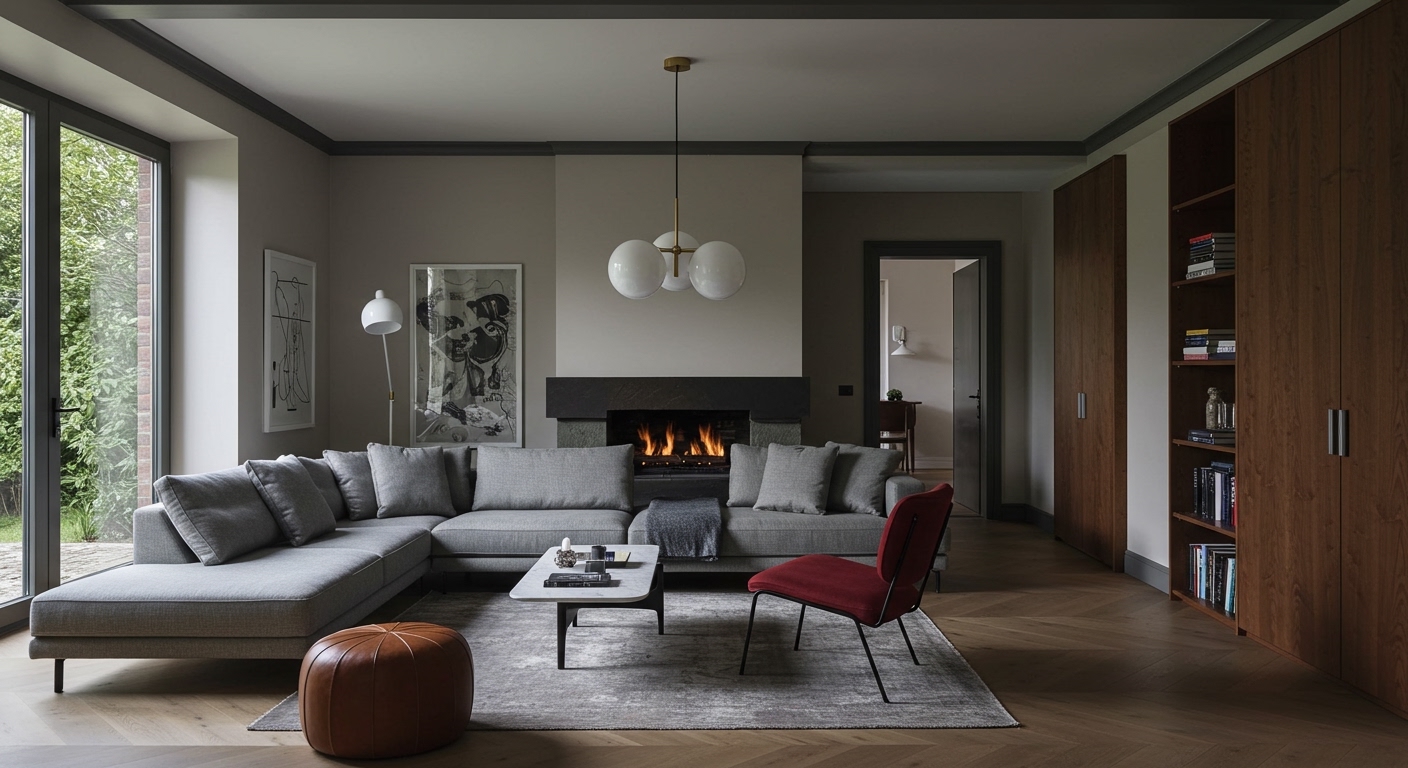
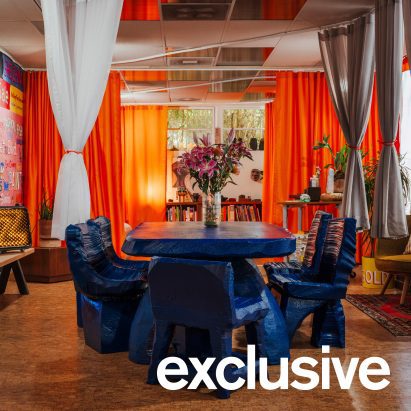
The deliberate choice of a “pared-back, architectural interior” at Napoli on the Road suggests a confidence in underlying form and material integrity rather than superficial application. This extends beyond hospitality. The “contemporary layers” Ænsemble added to the Wilhelminian period home near Berlin, or the “muppets on acid” interior by Public Art Company for its LA studio, despite their differences, both manipulate spatial tension through considered material contrast or deliberate division. These projects are not merely about aesthetics; they manage how people perceive and move through space. By mid-2027, the industry will witness a sustained pivot toward spaces designed for adaptive emotional and physical use, necessitating a more rigorous material palette that ages with grace and responds to touch.
This shift towards subtle, human-centric design faces resistance from the pervasive influence of social media, which often prioritizes visually striking, trend-driven aesthetics. Developers and clients, seeking immediate impact and rapid public validation, can inadvertently push designers towards superficial novelty rather than enduring spatial integrity. This creates a tension between immediate visual gratification and the long-term, tactile, and emotional comfort that defines true luxury.
Interior professionals should prioritize deep studies of material behavior and sensory impact beyond visual appeal. This means conducting client consultations that probe not only aesthetic preferences but also anticipated emotional states and physical interactions within the proposed space. For every project, map out potential human flow with particular attention to how different textures and material transitions will cue movement or encourage repose. Specify one key material for its tactile quality and its ability to subtly manage spatial tension.
TL;DR
Contemporary luxury design moves beyond static aesthetics to embrace dynamic spaces, using material and form to orchestrate human experience and adaptable flow.
Curated References




About this editorial — This piece was developed using AI-assisted research and curation across multiple industry sources. All analysis, opinions, and predictions represent the editorial perspective of JHDD. Sources are linked in the references section above.