JHDD Architecture Report — 2026.07.29
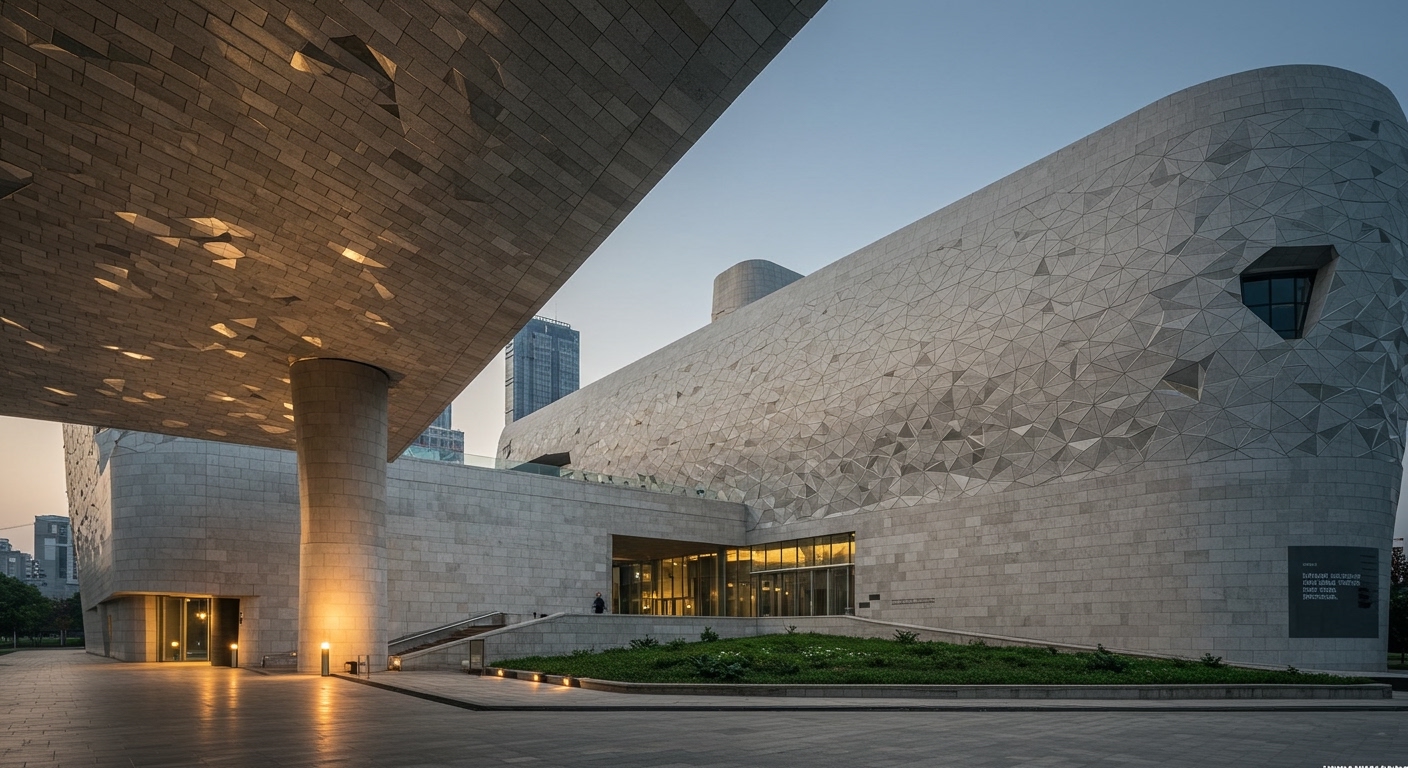
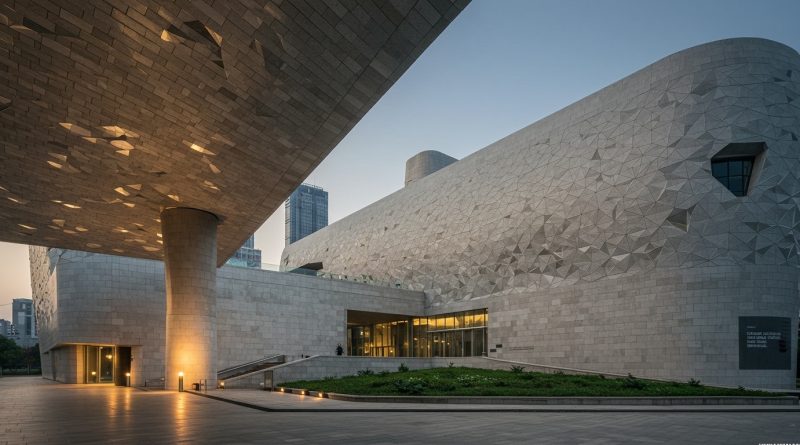
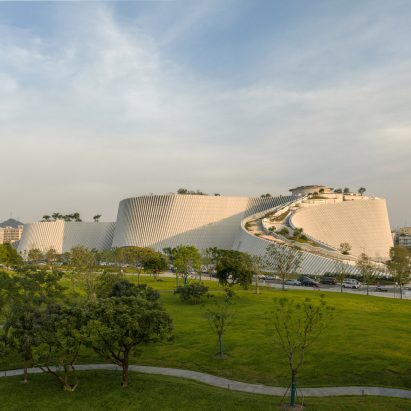
The Shenzhen Natural History Museum, with its 100,000-square-metre footprint cloaked in granite, exemplifies a pursuit of monumental architectural expression.
Many recent architectural headlines underscore a fundamental divergence in how building projects approach form and material. Some chase monumental, sculptural forms, often realized with globally sourced materials, while others grapple with the longevity, integrity, and local resonance of existing structures or new, smaller-scale design. There is a palpable tension between the pursuit of immediate, iconic spectacle and a deeper commitment to material honesty and contextual embeddedness.
This project’s ambition for a fluid, sculptural form, while visually striking, often prioritizes a smooth exterior skin over an expressive structural logic. The use of granite as a “cloak” suggests a material application that serves primarily as a surface finish rather than a direct expression of load-bearing or inherent material properties. This approach, where form dictates material application rather than emerging from it, frequently leads to complex substructures and assembly processes with significant embedded energy costs, masked by an aesthetic of effortless fluidity. Mainstream industry opinion often applauds such projects for their “landmark” status and formal innovation, but this view overlooks the fundamental architectural responsibility to express how a building stands and how its materials perform beyond surface aesthetics.
The structural philosophy behind such sweeping, seemingly unsupported forms frequently relies on intricate steel frameworks that are entirely concealed, making the granite a non-structural facade element. This creates a disconnect between the perceived form and the actual construction. A more responsible approach to material innovation would integrate structural integrity and material properties from the outset, allowing the inherent qualities of materials like stone or timber to inform the building’s expression. This would lead to forms that are inherently sustainable by virtue of their efficient material use and honest construction. Within two years, the industry will begin to see a significant backlash against large-scale projects where the material expression is decoupled from its structural reality, favoring instead designs where material honesty contributes directly to both aesthetic and environmental performance.
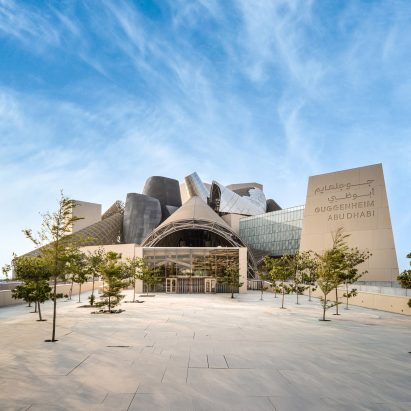
The powerful drive of city branding and cultural tourism concretely resists this grounded approach. This drive, often championed by government agencies and large developers, demands instantly recognizable “landmark” architecture, as seen in projects like the Guggenheim Abu Dhabi. This demand often prioritizes global appeal and photo-opportunity spectacle over long-term urban integration or material accountability, promoting the idea that a building’s value is primarily in its capacity to attract external attention, rather than its service to its immediate community or its environmental footprint.
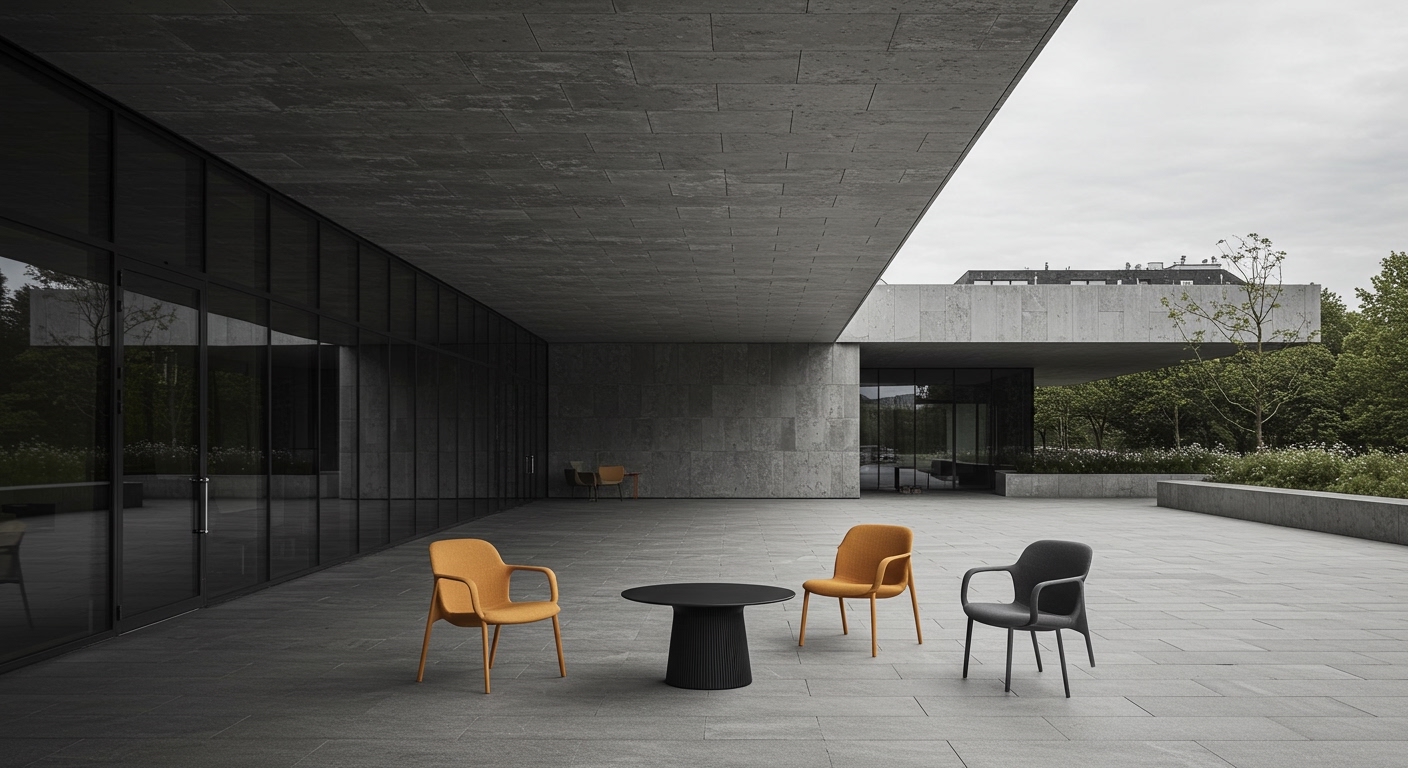
Architecture professionals should, this week, critically re-evaluate material specifications for current projects, especially for facade systems. Instead of selecting materials based solely on surface aesthetics or cost, prioritize options where the material’s structural capacity or thermal performance can be expressed directly, reducing the need for redundant layers or complex, hidden substructures. For instance, consider robust mass timber, load-bearing masonry, or exposed concrete that actively contributes to the structure and finishes, rather than applied cladding over separate systems.
TL;DR
Contemporary architecture is struggling to reconcile monumental form-making with material honesty and urban responsibility.
Curated References

About this editorial — This piece was developed using AI-assisted research and curation across multiple industry sources. All analysis, opinions, and predictions represent the editorial perspective of JHDD. Sources are linked in the references section above.