JHDD Architecture Report — 2026.07.22
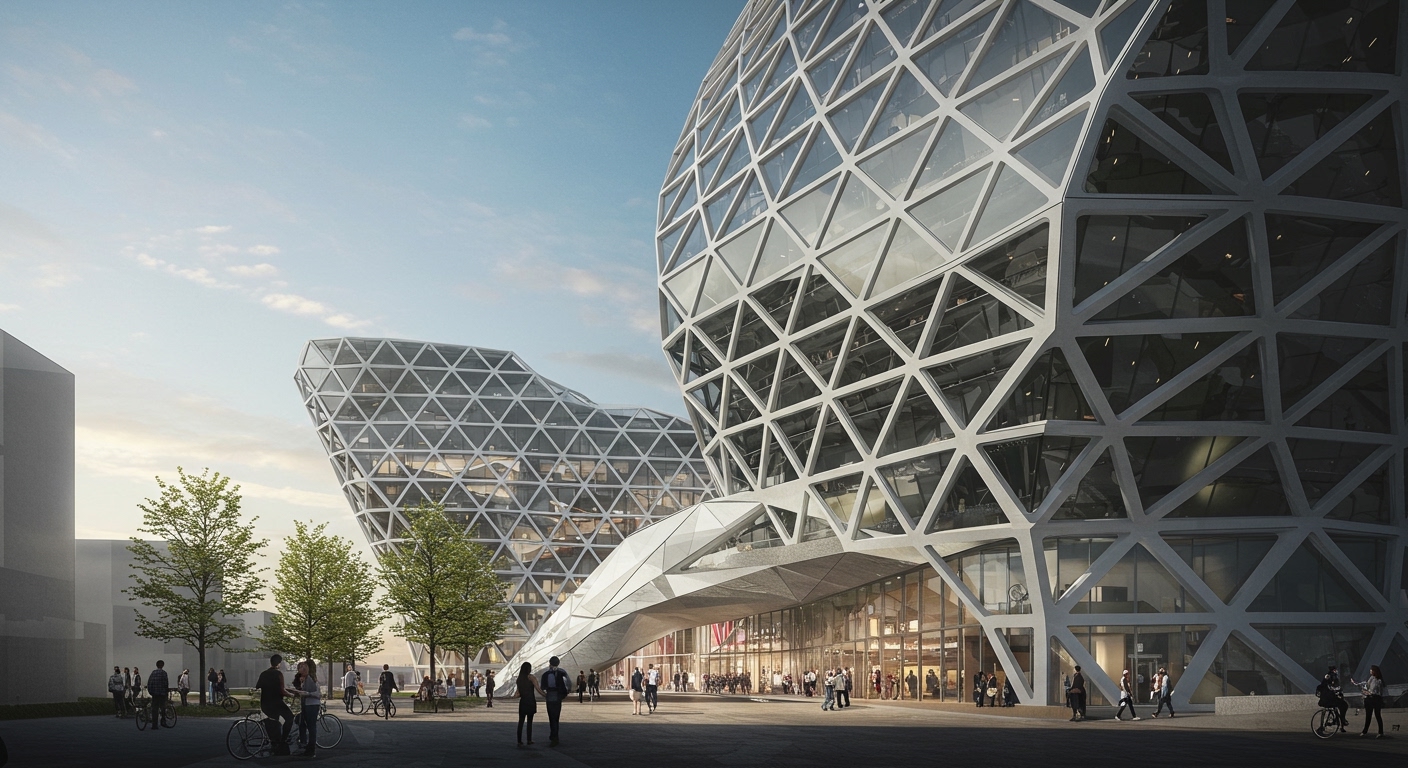
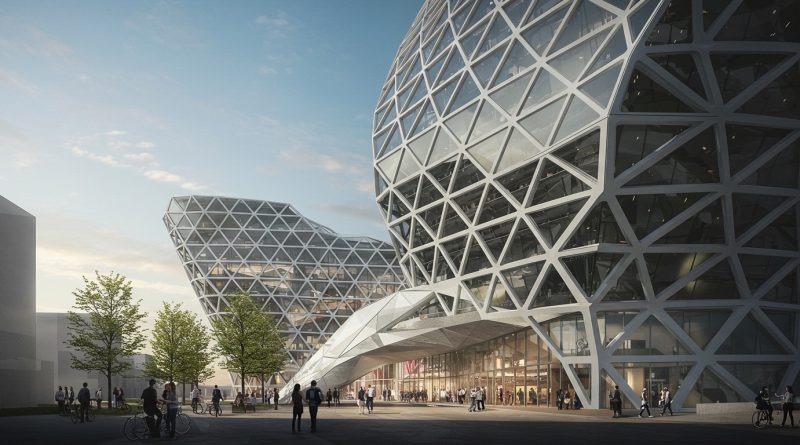
MVRDV’s Rotterdam Rocks! proposal is for a €240 million landmark in Rotterdam. This significant investment in new spectacle stands in direct contrast to a subtler yet more profound shift occurring in the built environment.
A distinct pattern connects recent developments, highlighting a tension between the pursuit of monumental new constructions and the thoughtful, materially honest repurposing of existing urban fabric. This dichotomy reflects differing philosophies regarding how architecture serves its inhabitants and engages with its environmental constraints. Projects that integrate material intelligence with an existing urban context are generating more enduring value than those focused solely on novel forms or grand gestures.
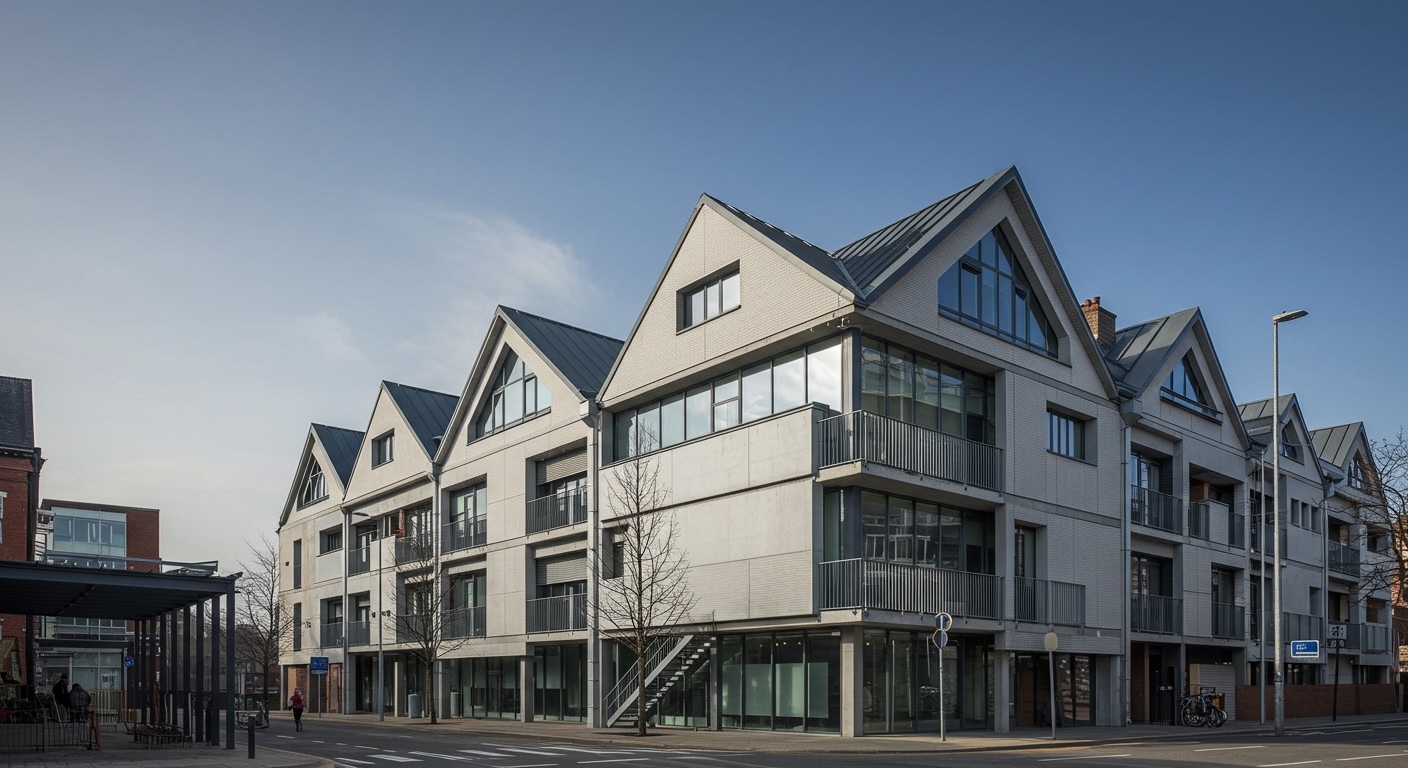
Consider the work by Assemble in Dagenham, converting former dairy warehouses on Becontree Estate into a robust community hub. This project demonstrates sustainability in action, representing a structural philosophy where the existing building’s embodied energy and historical context are central to its renewed purpose. Assemble’s approach directly contradicts the mainstream industry’s often uncritical embrace of new construction as the primary driver of urban progress. The prevailing belief often suggests that true architectural significance must be sculpted from scratch. However, projects like the LifeLine Church and Community Resources centre illustrate that lasting value is increasingly found in the intelligent recalibration of what already stands. Within two years, architectural awards will increasingly prioritize projects demonstrating net-positive urban integration and maximum retention of existing material stock over those defined by scale or iconic form.
This perspective is further reinforced by the principles outlined in Scott Klinker’s book, Fine Design, which champions studio-based inquiry and material intelligence beyond industrial paradigms. The market for products like the Omega and Swatch gold MoonSwatch, which celebrates an anniversary using actual gold from 1969, also underscores a growing appreciation for authenticity and embedded historical value rather than purely novel creation. This cultural lean towards honoring material provenance suggests a broader societal readiness for architecture that respects its material origins.
The primary opposing force to this intelligent reuse movement remains the speculative development model that often prioritizes rapid return on investment and iconic visibility, as seen in competition briefs like Shift’s call for a “new world wonder.” These initiatives frequently overlook the long-term environmental and social costs associated with extensive new builds, favoring immediate market impact over genuine urban integration.
A working architecture professional should, for every new commission, perform a detailed comparative analysis between a proposed new-build scheme and at least two adaptive reuse scenarios on available urban sites, explicitly quantifying embodied carbon savings and community integration metrics for each option. This analysis should be a mandatory component of preliminary client presentations.
TL;DR
Lasting urban value stems from intelligent material reuse and contextual adaptation, not solely from new, monumental construction.
Curated References


About this editorial — This piece was developed using AI-assisted research and curation across multiple industry sources. All analysis, opinions, and predictions represent the editorial perspective of JHDD. Sources are linked in the references section above.