JHDD Packaging Report — 2026.07.22
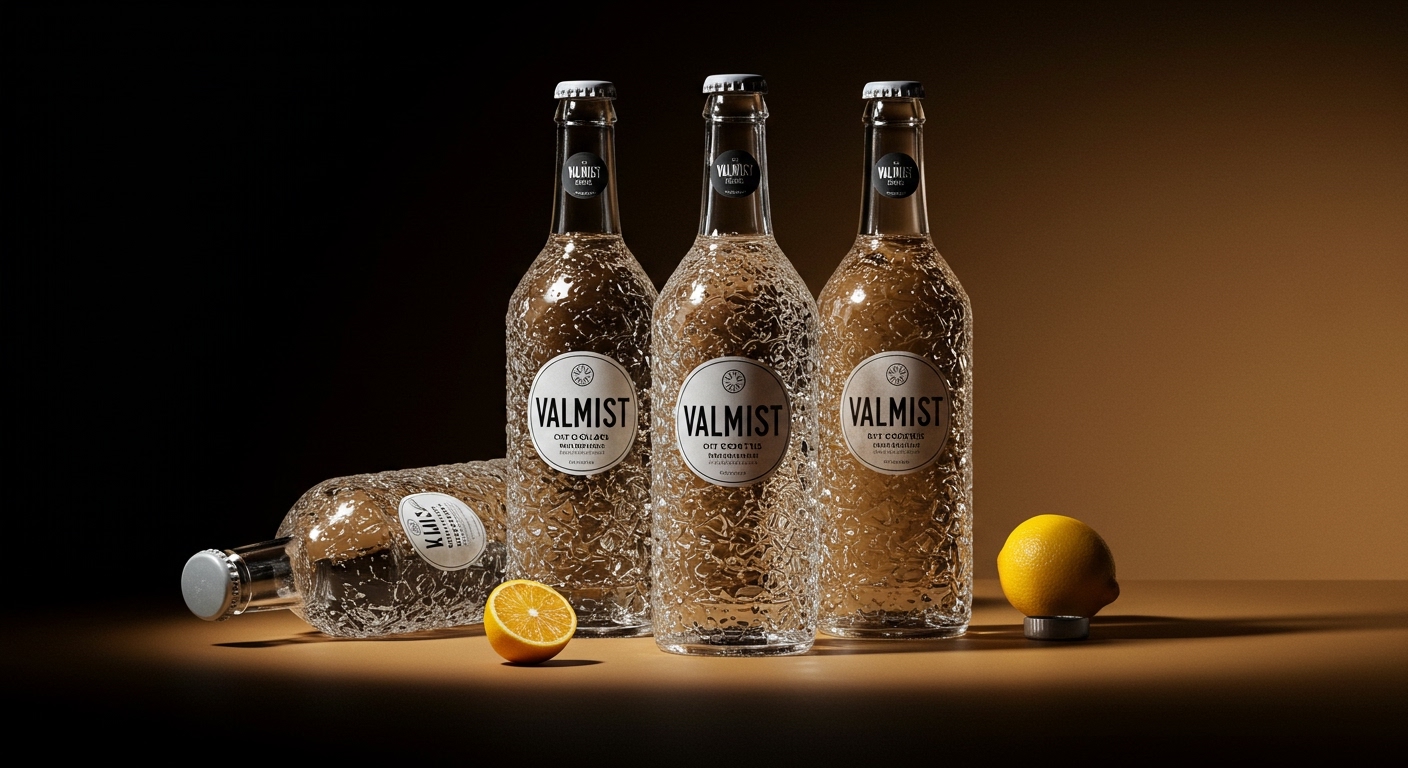
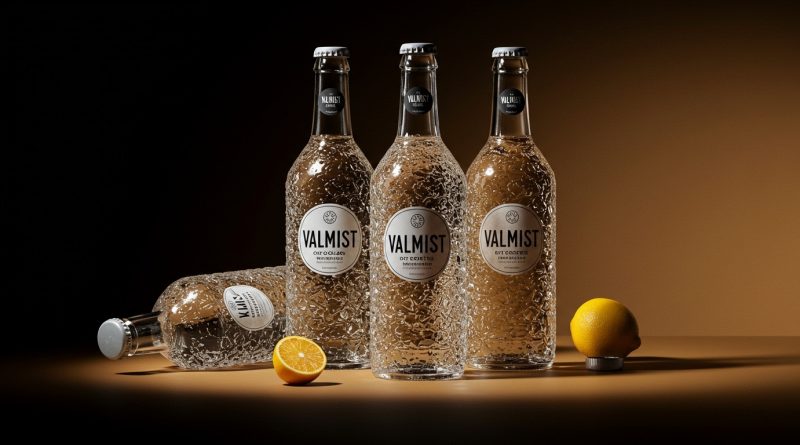
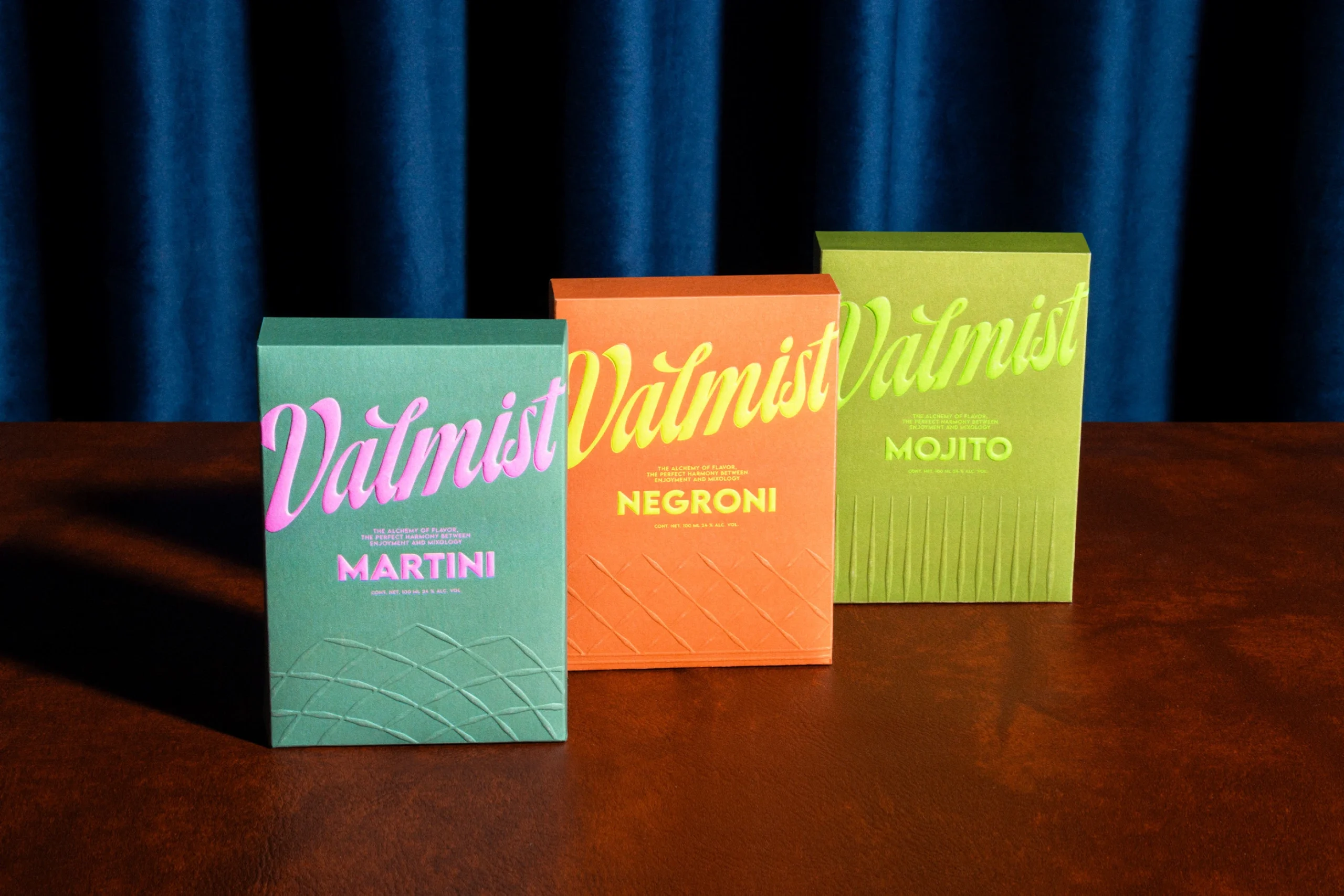
Estudio Albino designed Valmist RTD cocktails with cut glass embossing directly into the packaging, creating a textural link to the product inside.
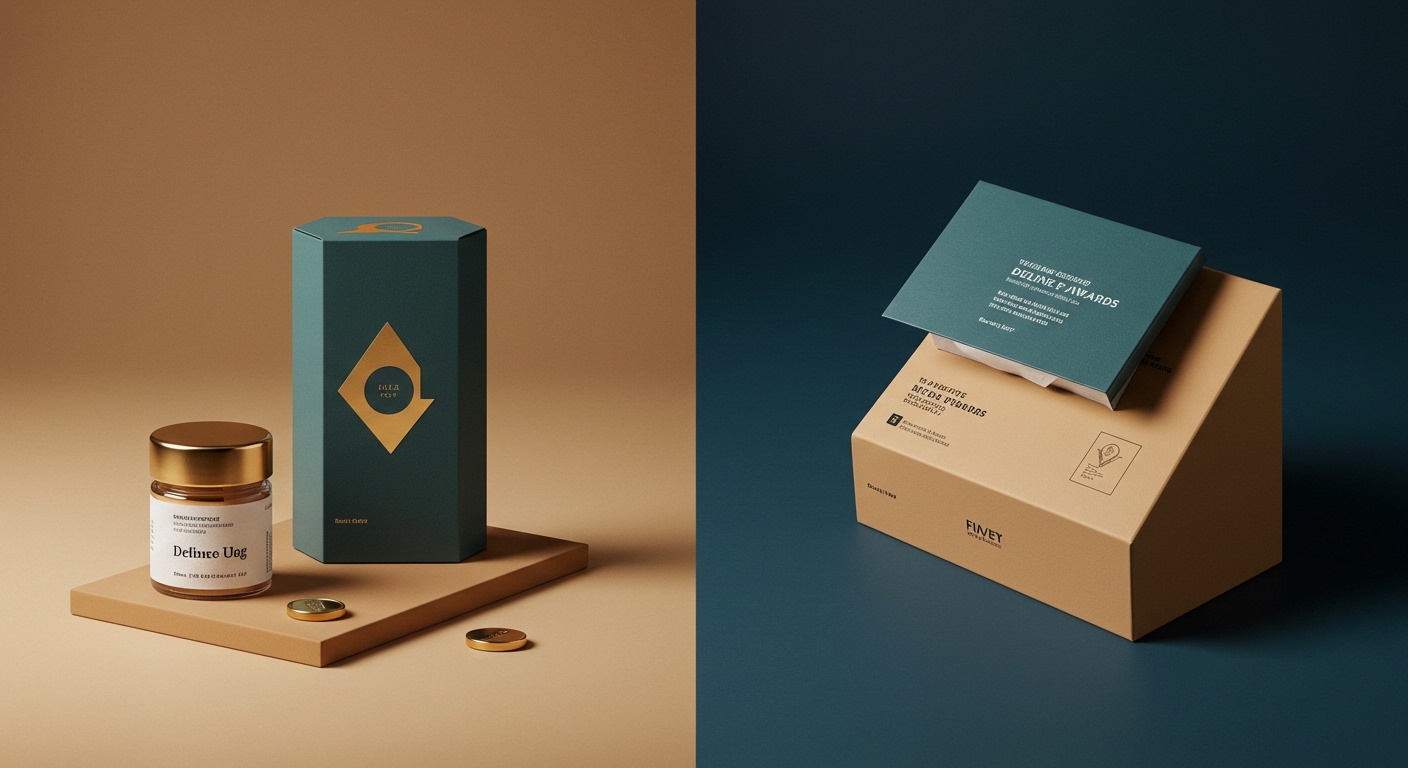
These recent developments in packaging design collectively demonstrate a deliberate shift towards integrating the physical packaging as a core component of the brand’s narrative and consumer experience. The focus extends beyond visual appeal, weaving brand identity into tactile elements, structural forms, and the entire interaction sequence, from shelf discovery to unboxing. This approach recognizes packaging as an immersive touchpoint that shapes perception and value.
The Valmist project, with its precise cut glass embossing, serves as a prime example of this tactile integration. Mainstream industry opinion often prioritizes cost-efficiency and rapid market entry above all else. However, packaging designs that integrate detailed tactile elements, despite potentially higher unit costs, can paradoxically reduce overall brand risk. This approach cultivates a stronger emotional connection and elevates perceived value, challenging the conventional wisdom that sophisticated material interplay is unviable for high-volume or competitive product categories. Such design moves create memorable moments, fostering loyalty that outweighs marginal production savings.
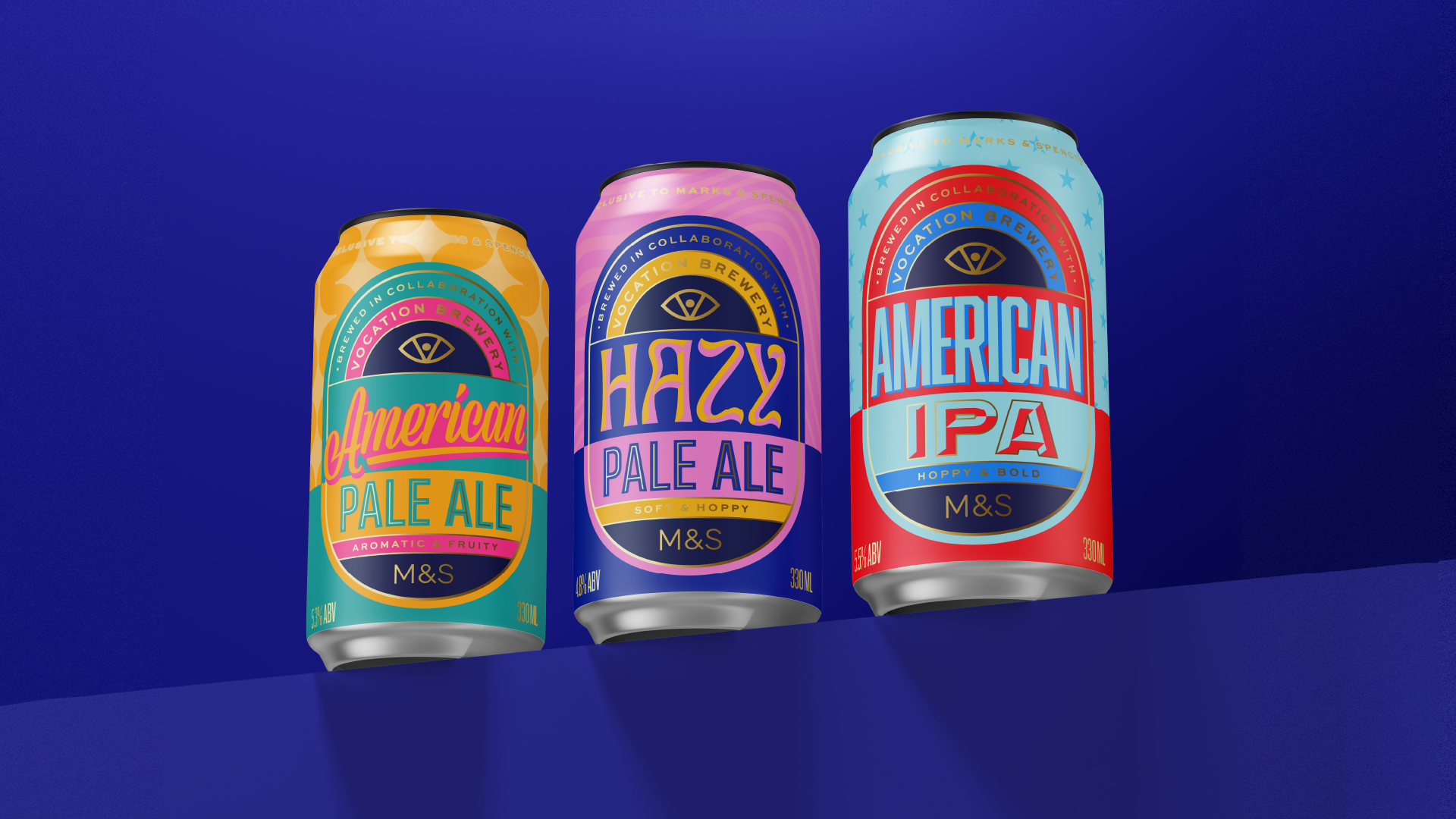
The DIELINE Awards 2027 introducing “Circular Systems” as a new category underlines a growing understanding that packaging’s role is not isolated to sales. This signals a formal recognition of the entire lifecycle. Designers must now consider how the sensory impact of tactile branding integrates with material choices that support recyclability or biodegradability. For instance, the detailed aesthetic seen in Thirst’s beer range for Marks & Spencer, which elevates a private label through specific design details like postage stamp labels, shows that even large-scale retail is investing in design as a perceived quality indicator. This investment can equally be directed towards sustainable material innovation without sacrificing tactile appeal. By mid-2028, tactile brand elements will move beyond premium products and become a more common expectation even in mid-market FMCG, driven by advancements in moldable sustainable materials.
The primary resistance to this evolution often originates from procurement departments, whose operational metrics frequently prioritize immediate cost reduction per unit. This focus on short-term financial savings can obstruct investments in innovative materials or design processes that offer long-term brand equity, enhanced unboxing experiences, or improved circularity. Their emphasis on existing supplier networks and established cost structures slows the adoption of more integrated, sustainable, and tactile solutions.
A packaging professional should, this week, revise their structural design briefs to include explicit instructions regarding the desired tactile sensation and the precise sequence of user interaction during unboxing. This must be accompanied by clear criteria for material circularity, ensuring that any chosen material for a tactile feature is either easily recyclable, compostable, or reusable at its end-of-life.
TL;DR
Packaging design is evolving to integrate tactile experiences and brand narratives more deeply, challenging cost-driven priorities for long-term value and circularity.
Curated References
About this editorial — This piece was developed using AI-assisted research and curation across multiple industry sources. All analysis, opinions, and predictions represent the editorial perspective of JHDD. Sources are linked in the references section above.