JHDD Architecture Report — 2026.07.01
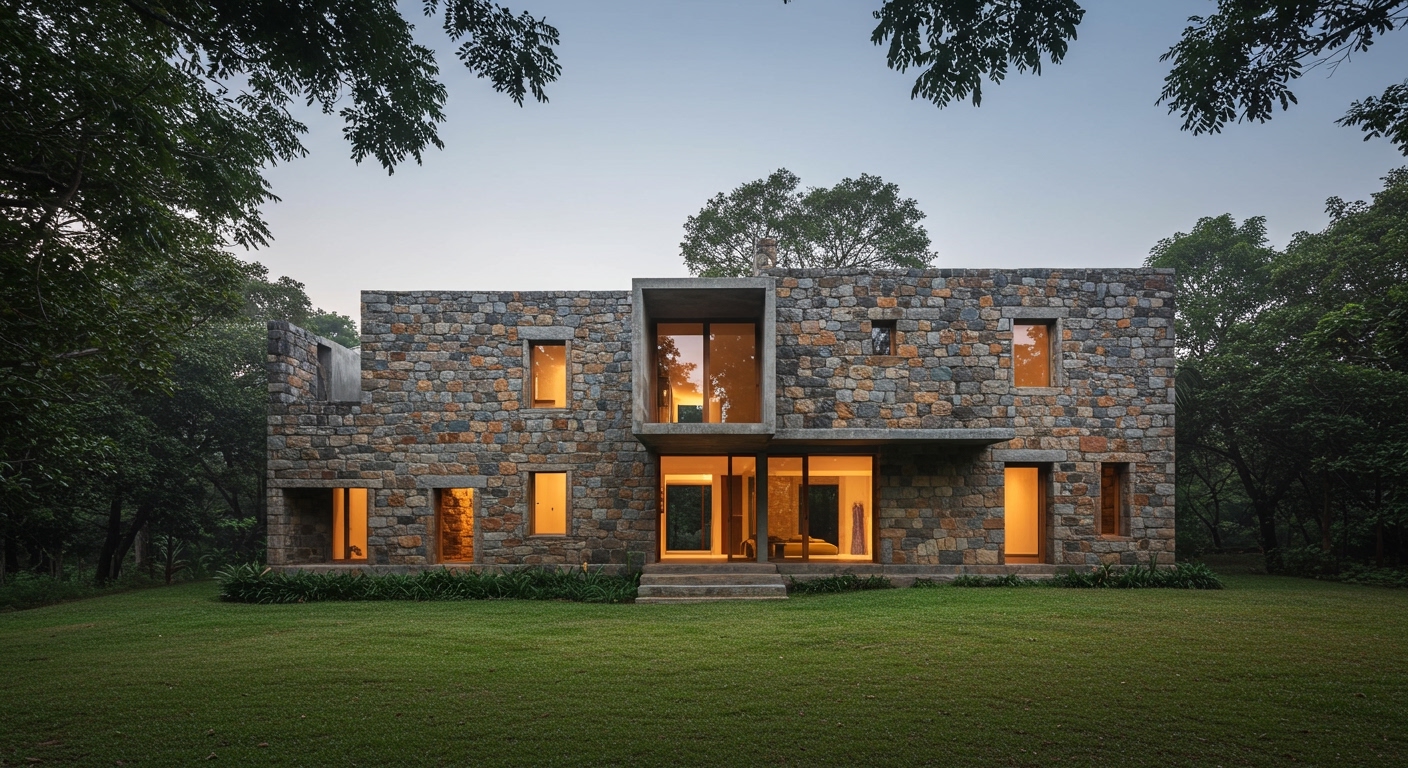
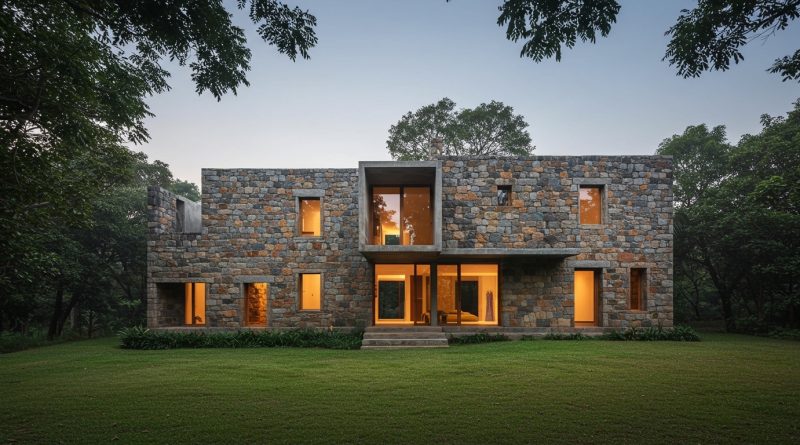
Meister Varma Architects’ Shilaya project in Kotagiri was constructed using stone salvaged from a ruined cottage that previously occupied the site.
This collection of recent reports outlines a pattern of design intelligence focused on material adaptability and explicit resourcefulness. Whether through the re-use of on-site materials, the reconfigurability of a manufactured product, or the careful integration of new elements into existing urban fabric, these projects collectively foreground how raw material or existing structures can be critically engaged. The emphasis is on deriving maximum utility and character from what is immediately present, rather than prioritizing entirely novel interventions.
The approach taken by Meister Varma Architects with Shilaya directly challenges the prevailing industry narrative that material innovation primarily means the development of new, often synthetic or high-tech, composites. Mainstream discourse often equates progress with material novelty, implying that the latest industrial product offers superior performance or sustainability. Shilaya, by contrast, champions a deep material honesty and urban responsibility through the direct salvage and re-purposing of stone from its immediate context. This act significantly reduces embedded energy associated with extraction and transportation, fostering a stronger connection to the site’s history and geology. This strategy is more profoundly sustainable than many high-profile “green” material specifications.
This shift will influence larger-scale architectural practices. By late 2027, major developers undertaking urban revitalization projects will increasingly seek architects demonstrating expertise in localized material sourcing and on-site salvage protocols, moving beyond token gestures of material recycling to integrate it as a foundational structural and aesthetic principle. Similarly, Adam Goodrum’s Hangman lighting collection, with its extruded aluminium rod and specially designed articulated joint allowing varied geometric compositions, reflects a structural philosophy that prioritizes adaptability. This contradicts the conventional expectation for lighting fixtures to be static, predefined forms. The Hangman collection’s inherent flexibility allows it to adapt to changing spatial requirements, extending its lifespan and reducing the need for new purchases.
The primary resistance to this mode of practice comes from the entrenched global supply chains and the capital investment in large-scale industrial material production. For instance, the standardized specifications common across generic concrete and steel construction for quick-build commercial developments often preclude the nuanced and time-intensive process of localized material assessment and re-use. This system thrives on predictability and bulk orders, which directly oppose a site-specific, resourceful approach.
An architecture professional should, this week, investigate the potential for material salvage from a local demolition site or an existing structure slated for renovation within their current project’s urban context. This involves moving beyond standard material libraries and directly assessing what durable, characterful materials could be given a second life.
TL;DR
Architects must prioritize adaptable material strategies and local resourcefulness over novel industrial materials.
Curated References


About this editorial — This piece was developed using AI-assisted research and curation across multiple industry sources. All analysis, opinions, and predictions represent the editorial perspective of JHDD. Sources are linked in the references section above.