JHDD Architecture Report — 2026.06.21
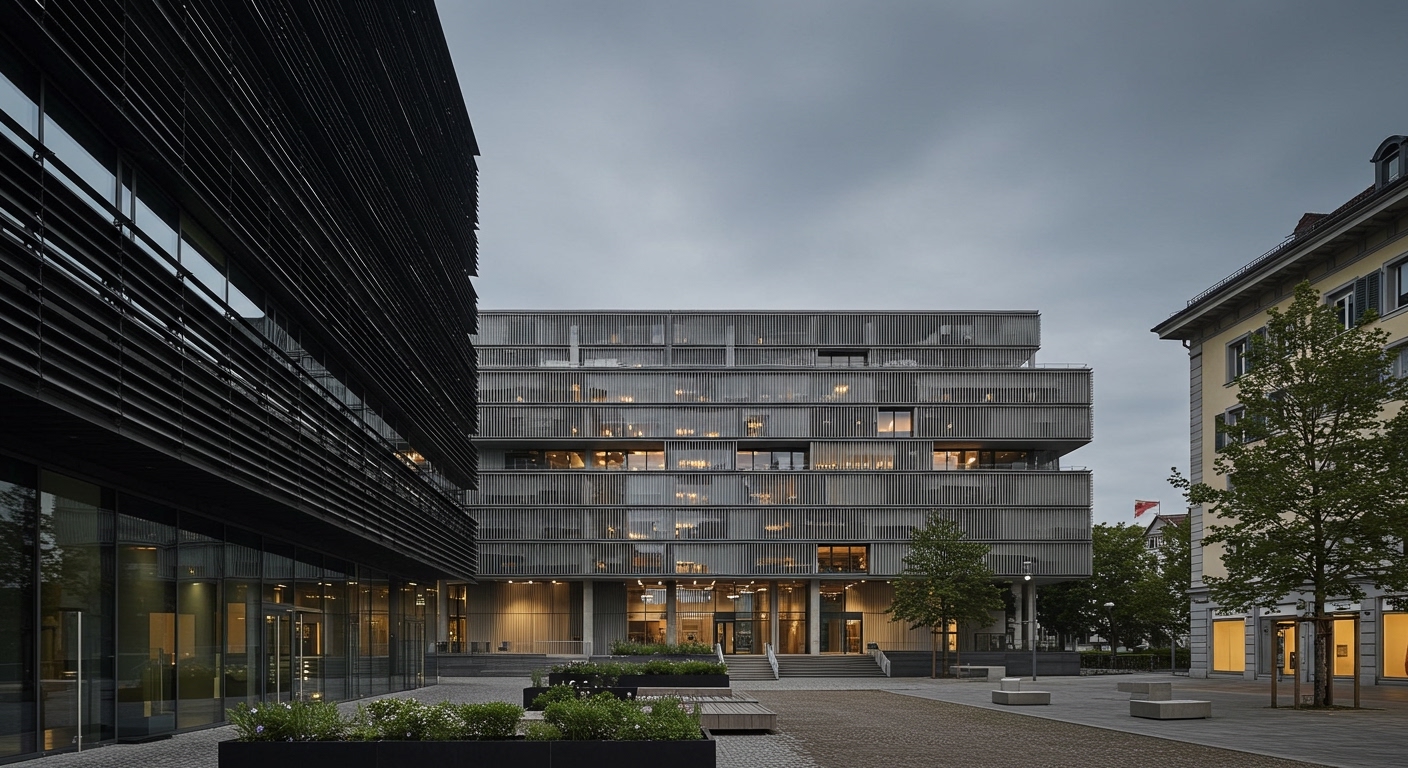
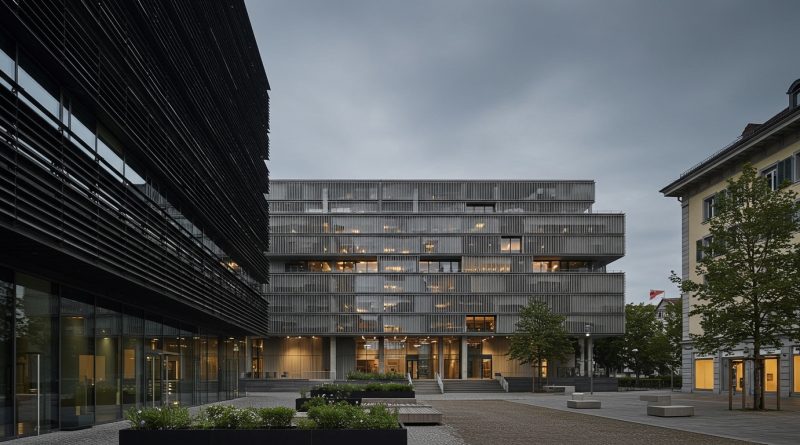
Herzog & de Meuron’s Mailand-Strasse headquarters in Basel is described as a “repository of materials.”
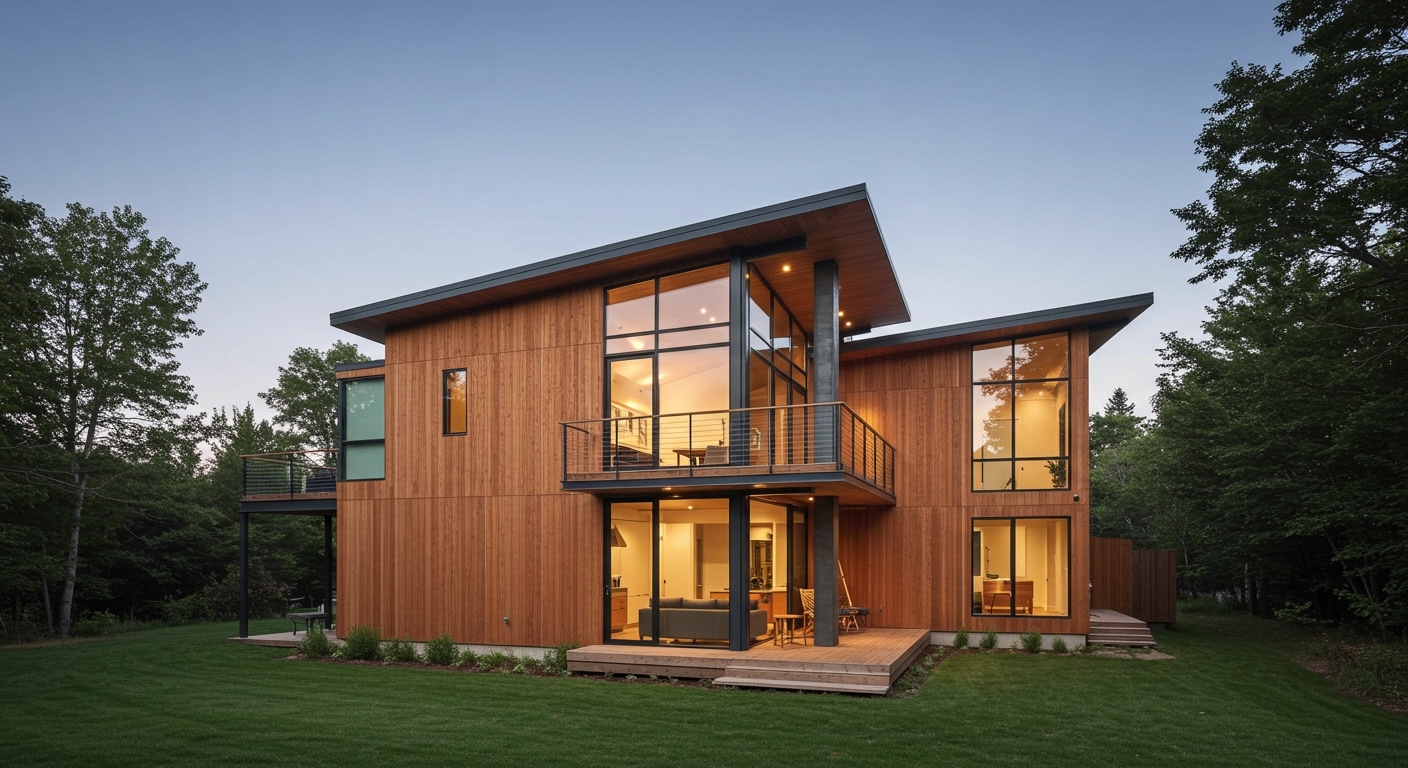
This descriptor, applied to a large professional office, points to a subtle yet significant re-evaluation of architecture’s purpose: not merely to build, but to act as a structured archive of its own making. This approach, where the material and its process become part of the built statement, subtly connects to Michael Taylor Architecture + Design’s incorporation of Canadian Shield granite at Percy Lake Cottage, embedding the regional geology into the private retreat. These projects illustrate a quiet insistence on the inherent value of context and resource, whether industrial or natural, which stands in contrast to architecture that overtly seeks to dominate its surroundings.
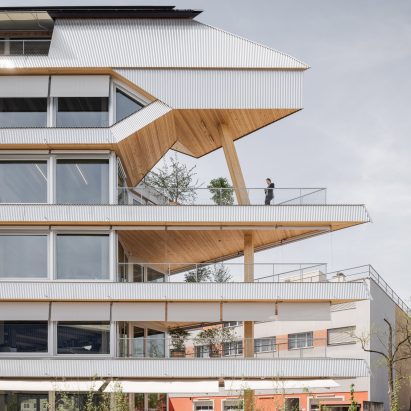
Herzog & de Meuron’s two recent projects, their own Basel headquarters and the Titlis Tower, offer a critical internal dialogue for contemporary practice. While Mailand-Strasse exemplifies material honesty through exposed timber, concrete, and metal, aligning with a focus on sustainable construction and urban responsibility within Basel’s formerly industrial Dreispitz quarter, the firm’s Titlis Tower project, by contrast, is positioned as dramatic architecture rivaling the landscape. The mainstream often applauds such structures for their audacious form-making and ability to draw attention to a vista. However, this perspective overlooks the inherent tension such projects create with their environment. The Titlis Tower, with its daring cantilevers and dizzying helical staircases, arguably exploits the landscape as a backdrop for architectural bravado, rather than integrating with it. This approach prioritizes spectacle over a deeper contextual engagement, where the structural philosophy aims to defy rather than respond to its site.
A more responsible structural philosophy, as hinted at by Mailand-Strasse’s material-informed design, suggests that the true innovation lies in the transparent use and expression of materials, acknowledging their lifecycle and origin. This goes beyond mere aesthetics; it informs how buildings perform ecologically and contribute to their urban fabric. By mid-2027, architecture will see a significant shift in public and professional valuation, favoring projects that demonstrably reduce material consumption and minimize intervention through intelligent structural design and material reuse, particularly in dense urban regeneration zones. This will manifest in a preference for robust, adaptable structures over those designed for fleeting visual impact, leading to a de-emphasis on formal extravagance.
The primary opposing force to this integrated, materially honest approach is the ongoing commercial pressure for iconic branding and rapid, high-impact development. This pressure is exemplified by the recent renaming of Zaha Hadid Architects to ZHA, described by Patrik Schumacher as a “natural brand evolution.” This emphasis on brand perpetuation, even post-founder, underscores a market-driven impulse that often prioritizes global recognition and novel forms over deep material responsibility or subtle contextual integration. Furthermore, existing human-centric zoning regulations and building codes often fail to adequately account for the multi-species urban reality highlighted by “Designing for Stray Cities,” implicitly resisting designs that cater to broader ecological considerations.
Architecture professionals should actively push for integrated design processes from the earliest conceptual stages, focusing on the innate qualities and sourcing of every material specified. This involves not only selecting sustainable materials but also challenging conventional structural solutions to achieve maximum material efficiency and adaptability. For any new urban project, conduct a multi-species site analysis alongside traditional human-centric studies, specifically identifying existing non-human inhabitants and their ecological corridors within the brief.
TL;DR
Architecture must move beyond spectacle to embrace material honesty and multi-species urban integration for true sustainability.
Curated References

About this editorial — This piece was developed using AI-assisted research and curation across multiple industry sources. All analysis, opinions, and predictions represent the editorial perspective of JHDD. Sources are linked in the references section above.