JHDD 3D Modeling Report — 2026.06.23
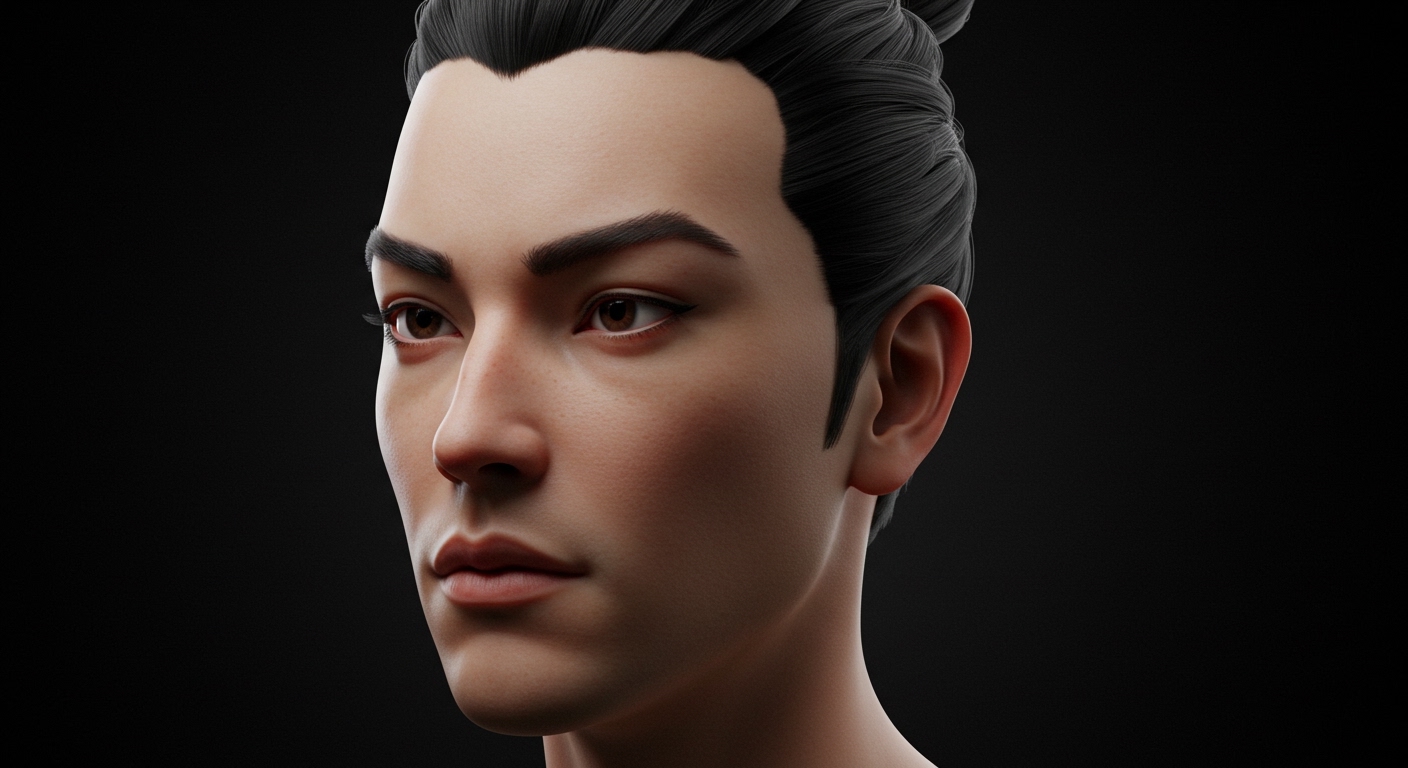
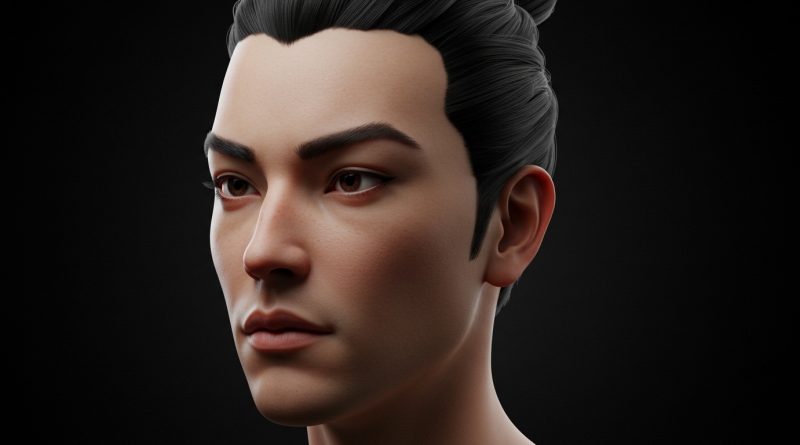
Ryan Lykos is developing a Blender Facial Rig for Zenless Zone Zero’s Zhu Yuan character, showcasing the ongoing pursuit of minute detail in virtual personas.
This pursuit of granular control, evident in Hamdi Amer’s Weight Paint Box improvements and the new free Underwater Caustics Shader, highlights a critical, often unstated, shift. Digital fabrication and spatial computing are moving beyond broad strokes, demanding meticulous fidelity in core elements like character animation, environmental effects, and fundamental rigging. This focus on deep-level control within accessible toolsets points to a decentralization of high-end asset creation.

CDPR’s CEO looking to The Witcher 4 to restore player trust after Cyberpunk 2077’s troubled launch serves as a potent case study. Conventional industry wisdom often emphasizes marketing hype and initial graphical impact. However, the true lesson from Cyberpunk 2077, and what many in the industry overlook, is that hyper-realism extends far beyond visual fidelity. A virtual space is not hyper-real if its internal logic is broken, its characters glitch, or its promised experiences fail to materialize. The perceived “realism” of a virtual world is intrinsically linked to its reliability and the seamless interaction with its underlying systems. It is not enough for assets to look real; they must also behave consistently and predictably within the digital environment. The industry’s current focus on photogrammetry and high-poly models, while important, often overshadows the foundational technical stability and interactivity that truly sell a virtual space as believable.
The increasing availability and sophistication of tools like Blender’s Eevee and Cycles, now featuring advanced lighting dynamics such as the Underwater Caustics Shader, enable independent artists and smaller studios to achieve results previously limited to large-scale productions. This democratization of high-fidelity procedural generation tools will exert significant pressure on proprietary pipelines. By mid-2027, the line between what a solo artist can achieve with open-source tools and what a multi-million-dollar studio produces will further blur in specific areas like environmental effects and character detail. This will force larger entities to reconsider their reliance on opaque, expensive internal solutions, prompting greater adoption of open standards and community-developed plugins for their core rendering and procedural needs.
The primary opposing force to this trend of refined fidelity and internal consistency is the relentless demand for rapid content iteration and the often-misguided pursuit of “newness” over “completeness.” Market pressures frequently push development teams to prioritize feature quantity and aggressive release schedules, often leading to compromises in foundational integrity and polish. This commercial imperative can stifle the deep, iterative work necessary to build truly believable and robust virtual spaces, favoring instead a broad, superficial layer of realism that cracks under player scrutiny.
A working 3D Modeling professional should immediately deepen their understanding and practical application of procedural shading and geometry node workflows within their chosen DCC. Specifically, explore how to create complex, dynamic environmental effects, such as the underwater caustics highlighted in recent Blender updates, through entirely procedural means rather than relying on baked textures or static meshes. This skill directly contributes to both hyper-realism and the efficient generation of diverse virtual spaces.
TL;DR
The future of hyper-realism in virtual spaces demands deep technical fidelity and consistent internal logic, achievable through increasingly accessible tools.
Curated References
About this editorial — This piece was developed using AI-assisted research and curation across multiple industry sources. All analysis, opinions, and predictions represent the editorial perspective of JHDD. Sources are linked in the references section above.