JHDD UI UX Report — 2026.06.23
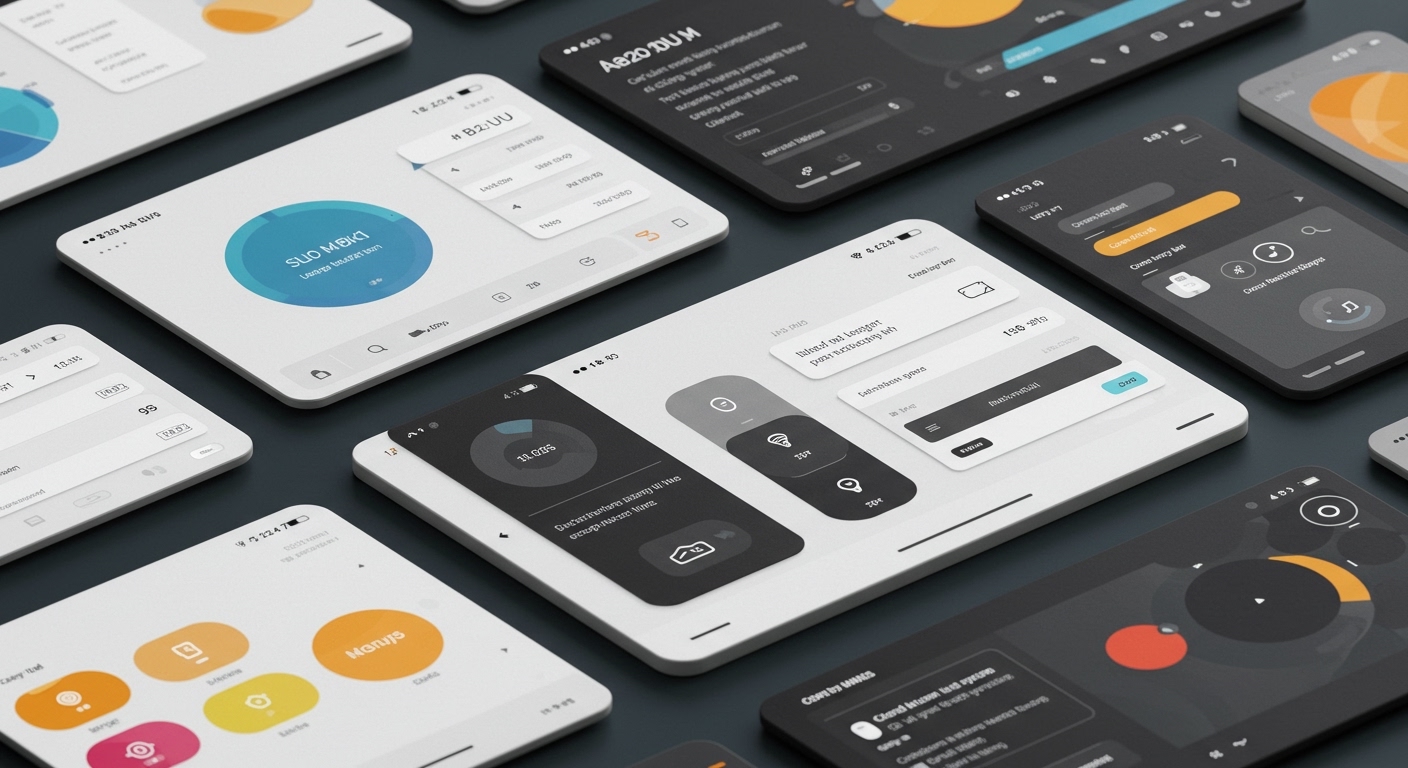
A2UI highlights a future where functional prototypes are increasingly built by non-designers using AI.
This shift illustrates a broad industry trend where the access to create interfaces is decoupled from the mastery of interaction patterns, usability, and design system integrity. The allure of speed, much like the simplicity of a Magic 8-Ball providing quick answers, often overshadows the intricate, long-term implications of design choices. This leads to interfaces that technically “work” but accumulate subtle inconsistencies and accessibility gaps, creating friction as products scale or attempt to align with broader design frameworks. The core issue is less about whether a feature functions, and more about whether its underlying structure supports growth and ensures a coherent user experience across an ecosystem, often through stripping away non-essential complexities, as observed in Radix’s approach to styles.
The capabilities showcased by A2UI, enabling product managers and sales teams to ship functional prototypes, present a significant challenge to the traditional understanding of design value. Mainstream industry opinion often champions AI as an accelerator for design processes, envisioning it as a co-pilot that enhances efficiency for seasoned professionals. This view overlooks a critical distinction: AI excels at generating functional outputs but struggles with the nuanced decision-making rooted in a deep understanding of human interaction, systemic coherence, and long-term maintainability. The core value of senior designers, as the A2UI article implies, lies not in generating initial interfaces, but in understanding what problem is worth solving and how to build solutions that endure and adapt. The accumulation of “details underneath” – interactions that are slightly off, components that do not quite fit – represents a growing design debt that AI-driven rapid prototyping often introduces.
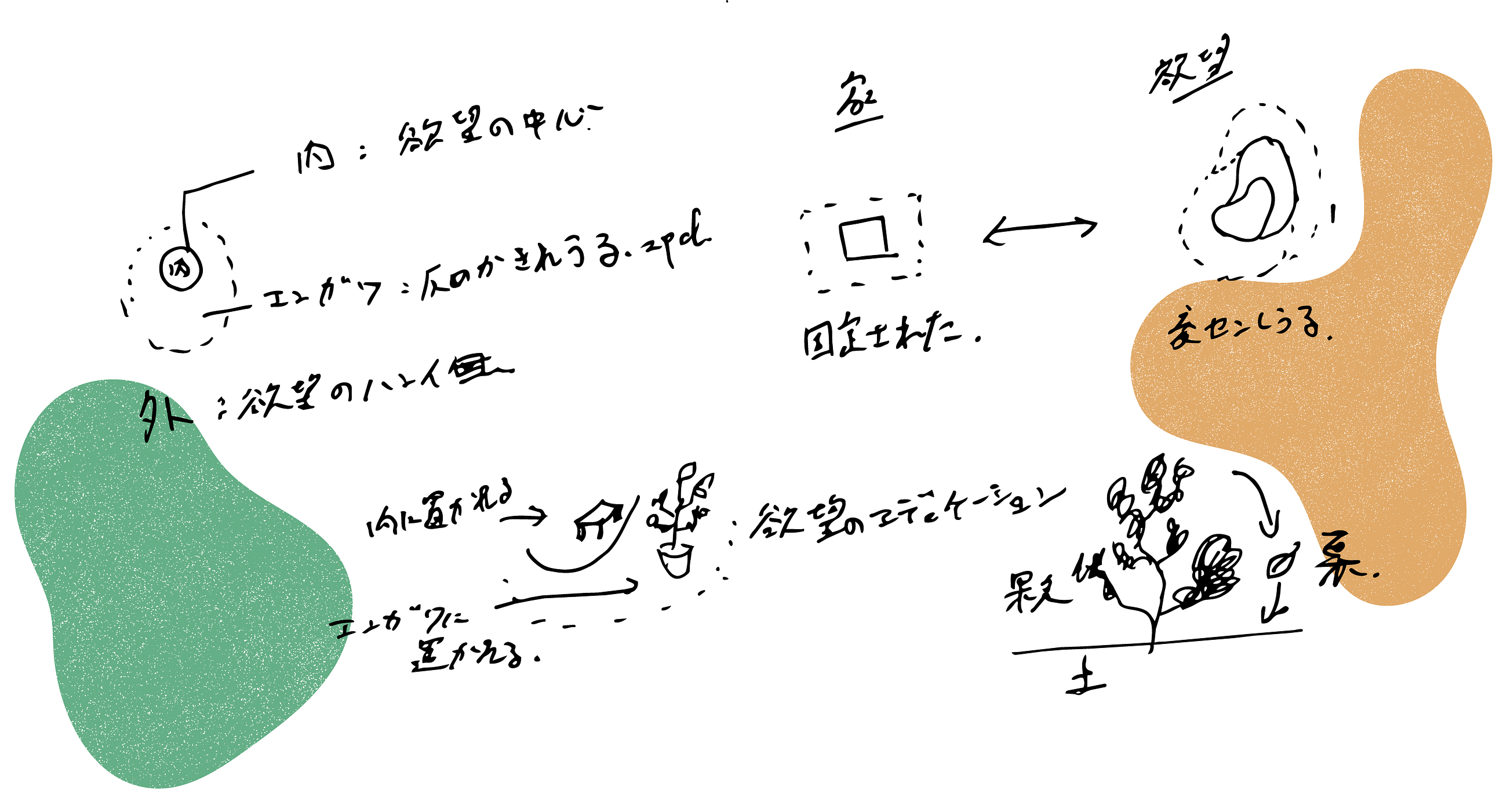
This is where the mainstream narrative falters. The belief that “good enough” AI-generated UI is sufficient for an initial launch neglects the compounding effect of these subtle imperfections. While a Magic 8-Ball’s simple, pre-programmed answers effectively serve its niche without complex AI, modern digital products demand far more robust and adaptable frameworks. The “dopamine sites” in South Korea, where the interaction itself is the value, demonstrate that user engagement can be profound even without a transactional outcome, underscoring that the quality of interaction matters independently of its immediate utility. By mid-2027, organizations heavily reliant on AI for initial UI generation without integrated design system oversight will face increased user frustration and development costs due to the accumulation of inconsistent interaction patterns and accessibility compliance issues.
The primary opposing force to investing in robust design systems and expert human oversight is the relentless pressure for speed-to-market and cost reduction, often driven by product and sales teams focused on immediate functional delivery. These teams, empowered by tools like A2UI, can demonstrate a working solution quickly, creating a perceived efficiency that bypasses the long-term strategic value of design integrity. This short-term focus, prioritizing a functional proof-of-concept over the detailed framework for what “right” looks like, incentivizes shipping quickly even if it means accumulating future design debt.
UI UX professionals should dedicate specific time this week to performing an “interaction pattern audit” on existing or recently launched features within their own products, especially those with suspected AI involvement in their initial builds. This involves meticulously documenting any inconsistencies in common interaction patterns (e.g., button states, form validation feedback, navigation affordances) and assessing their adherence to established design system guidelines and accessibility standards, rather than solely focusing on whether the feature “functions.” Documenting these “details underneath” provides concrete evidence for advocating for foundational design work and better integration of human design expertise throughout the product lifecycle.
TL;DR
AI-generated UI enables functional prototypes but often sacrifices foundational design principles, leading to long-term design debt and user friction.
Curated References




About this editorial — This piece was developed using AI-assisted research and curation across multiple industry sources. All analysis, opinions, and predictions represent the editorial perspective of JHDD. Sources are linked in the references section above.