Julian’s Packaging Insight — 2026.06.06
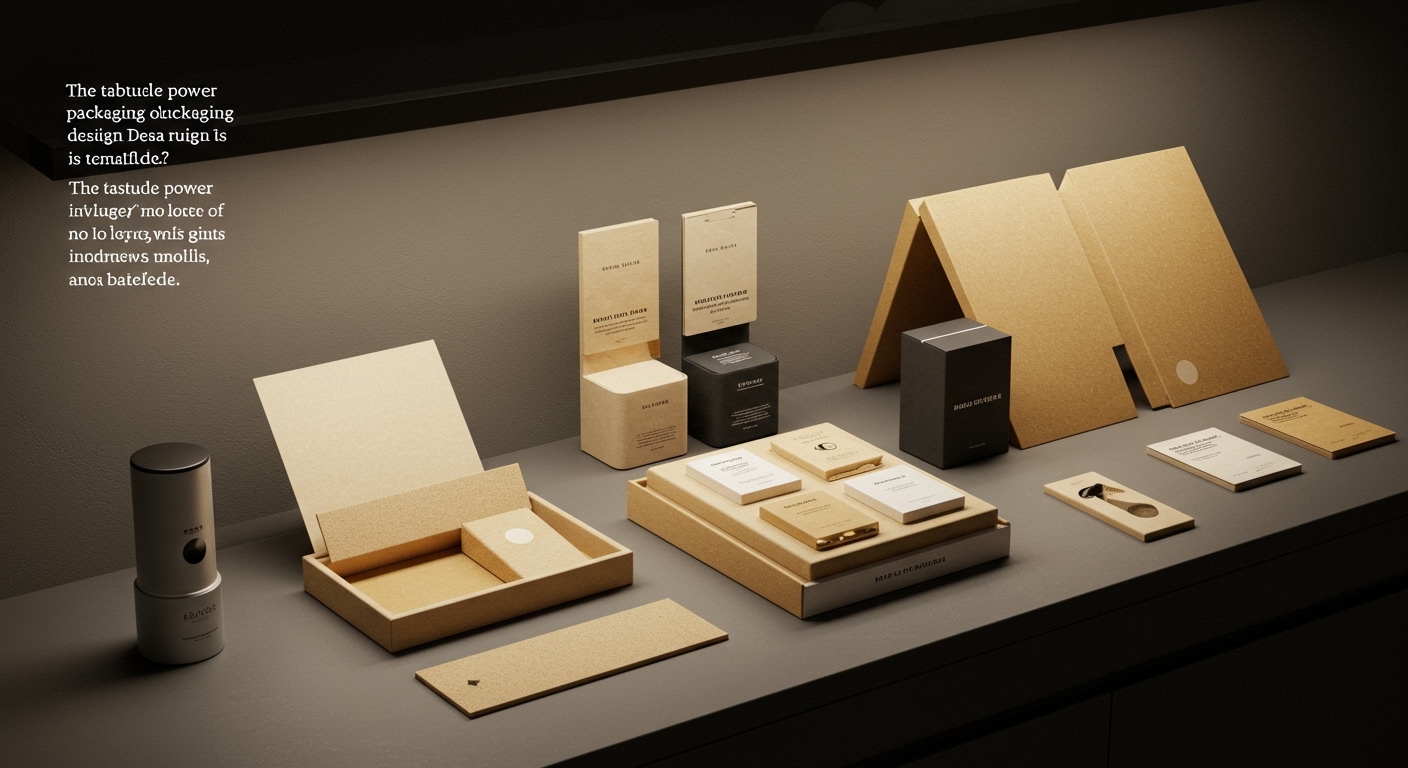
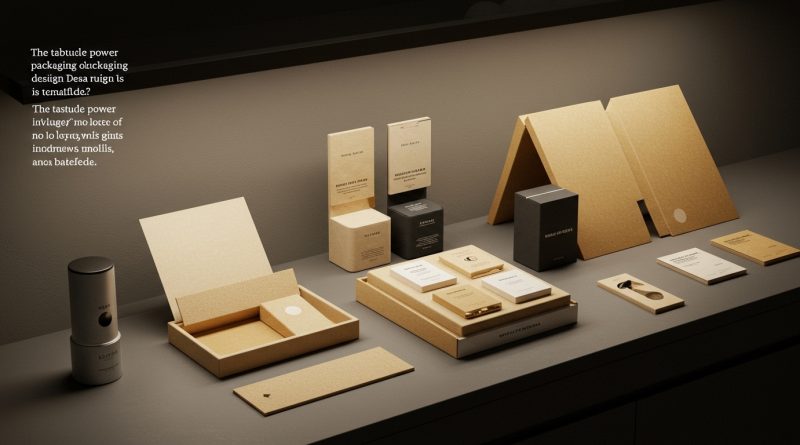
The tactile power of packaging is no longer an indulgence, it is a battlefield.
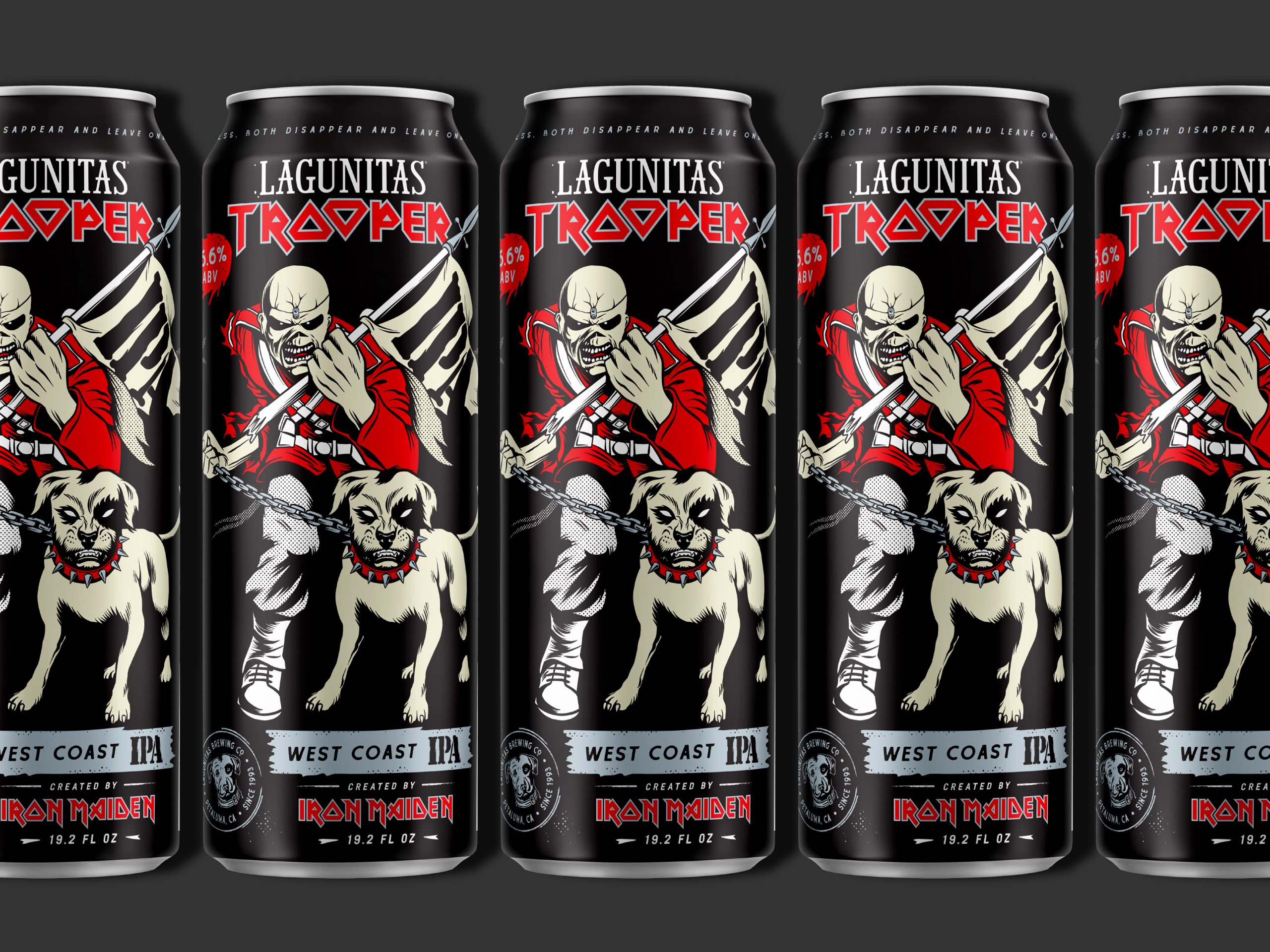
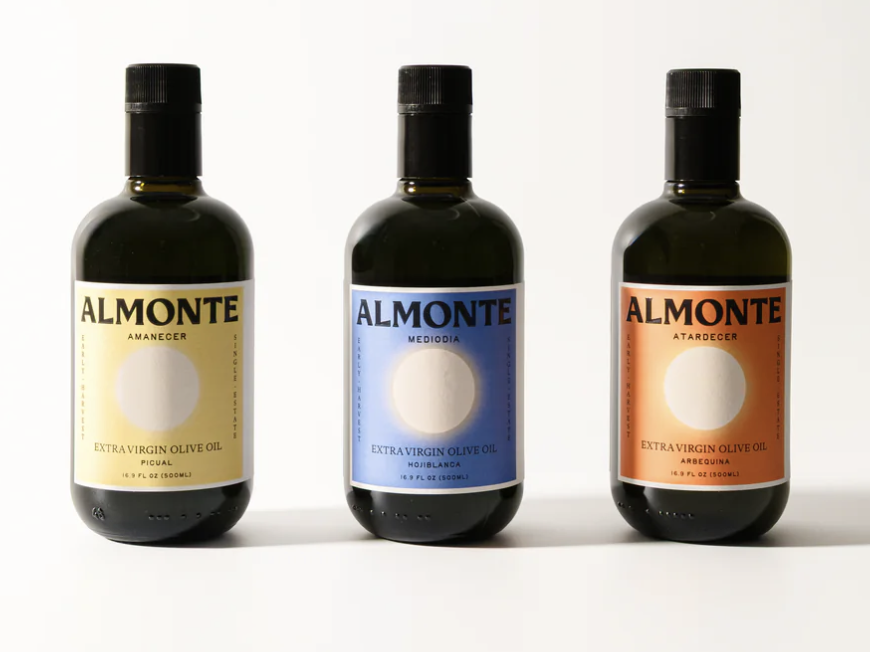
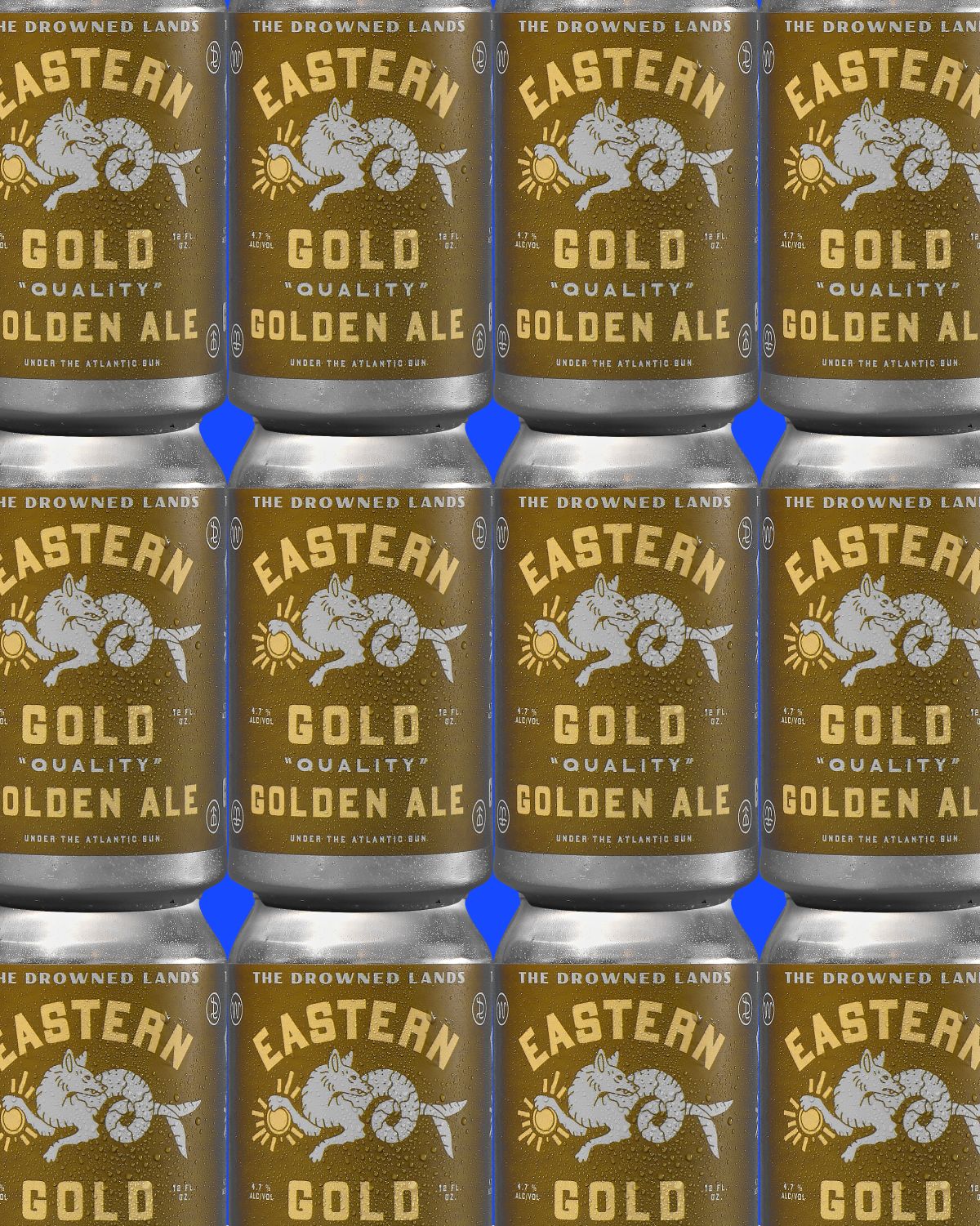
The contemporary packaging landscape is a dizzying arena where the ephemeral thrill of the unboxing experience collides with the urgent imperative of sustainable material innovation. Brands are vying not just for attention on a crowded shelf, but for a deeper, more resonant connection with consumers, a connection forged through touch and material intelligence. This isn’t merely about aesthetics; it’s about crafting a narrative, a tangible identity that speaks volumes before a single word is read. From the celebratory, collectible nature of a beer can designed for superfans to the sophisticated, terroir-driven vessel for premium olive oil, each design choice is a deliberate act of branding. The rise of artisanal and heritage-inspired aesthetics, as seen in the Eastern Gold ale, suggests a craving for authenticity and a departure from the sterile, mass-produced feel. Simultaneously, the stark reality of plastic pollution, highlighted by the visceral Plastic Change campaign, casts a long shadow, necessitating a radical reimagining of material life cycles and a robust embrace of the “reuse” ethos, powerfully visualized by Epigrama’s new symbol.
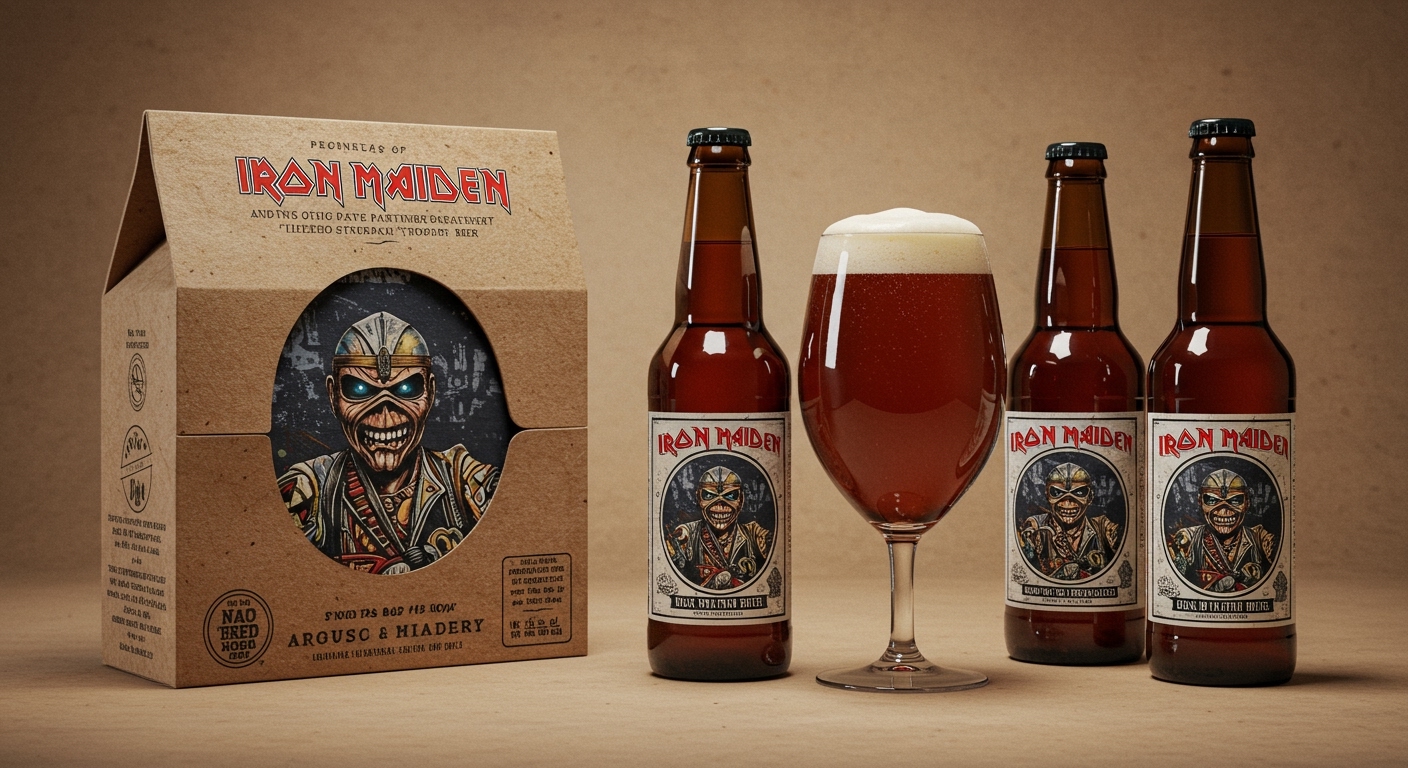
The news coalesces into a clear, albeit complex, narrative: the age of disposable, forgettable packaging is definitively over. Lagunitas and Iron Maiden’s partnership taps into the potent allure of fandom and collectible culture, transforming a beer release into an event, a tangible artifact for enthusiasts. This extends beyond simple branding; it’s about creating an object of desire, a physical extension of shared passion. Almonte’s approach to premium olive oil, eschewing tired tropes for a sophisticated, color-coded system that evokes time and place, demonstrates a sophisticated understanding of how tactile and visual cues can elevate a product from everyday staple to covetable luxury. The deliberate departure from convention signals a maturity in the market, where genuine craftsmanship and considered design are increasingly valued. Young Jerks’ design for Eastern Gold is a masterclass in distressed authenticity, achieving a “worn-in” quality that feels both nostalgic and strikingly modern, a deliberate counterpoint to the slick uniformity of much contemporary design. This retro-futurist aesthetic, deeply rooted in regional identity, speaks to a growing consumer desire for unique, narrative-rich products.
The inherent tension lies in the simultaneous demand for both immediate sensory gratification and long-term environmental responsibility. Consumers are increasingly drawn to the tactile, the artisanal, and the collectible, craving packaging that offers an elevated unboxing experience and a distinct shelf presence. Yet, this desire often clashes with the urgent need to reduce waste and transition to truly sustainable materials. The very qualities that make packaging desirable – its robustness, its perceived value, its ability to tell a story – can also contribute to its environmental footprint if not carefully considered. The challenge, then, is to imbue packaging with this desired tactile and experiential richness without compromising its eco-credentials. How do we create a beer can that feels like a collector’s item, or an olive oil bottle that signifies premium quality, while ensuring these materials can be reintegrated into a circular economy or are inherently biodegradable? The success of these designs hinges on their ability to navigate this intricate balance, proving that desirability and sustainability are not mutually exclusive.
The future of packaging will be defined by hyper-personalized, digitally-enabled material intelligence. Imagine packaging that not only communicates brand story through its texture and form but also actively communicates its own lifecycle, its composition, and its optimal disposal or reuse pathway through embedded, invisible markers. This will allow for seamless integration into advanced recycling or upcycling systems, transforming the object itself into an intelligent node within a circular economy, offering both a profound tactile experience and an undeniable environmental benefit.
TL;DR
Packaging’s tactile identity and material intelligence are now critical battlegrounds for consumer connection and environmental responsibility.