JHDD Packaging Report — 2026.07.16
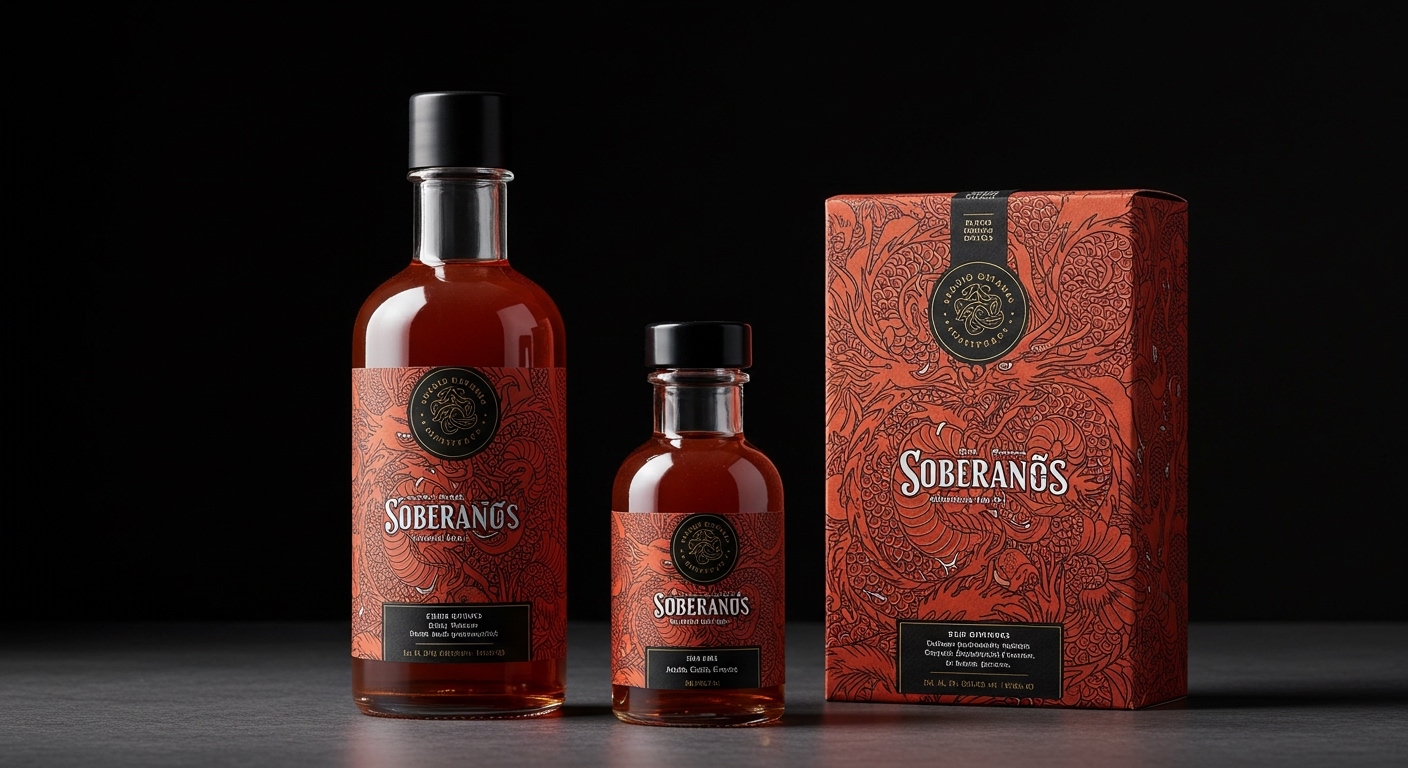
Studio Gitanos’ design for Soberanos Chili Oil employs specific tattoo-style dragon linework, aiming for a visceral shelf presence.
This approach, alongside Creature Theory’s playful squiggle patterns for Sol Jam tequila lemonade and Leo UK’s ‘Shake n’ Serve’ luxury aesthetic for McDonald’s at Wimbledon, reveals a consistent industry drive towards packaging that evokes immediate, intense emotional states. Brands are now striving to create hyper-specific sensory narratives, pulling consumers into a pre-defined experience before actual product interaction begins. This focus prioritizes the feeling of the brand, leveraging visual cues to imply taste, texture, and mood, rather than merely functional identification, shaping both shelf impact and the anticipation of unboxing.
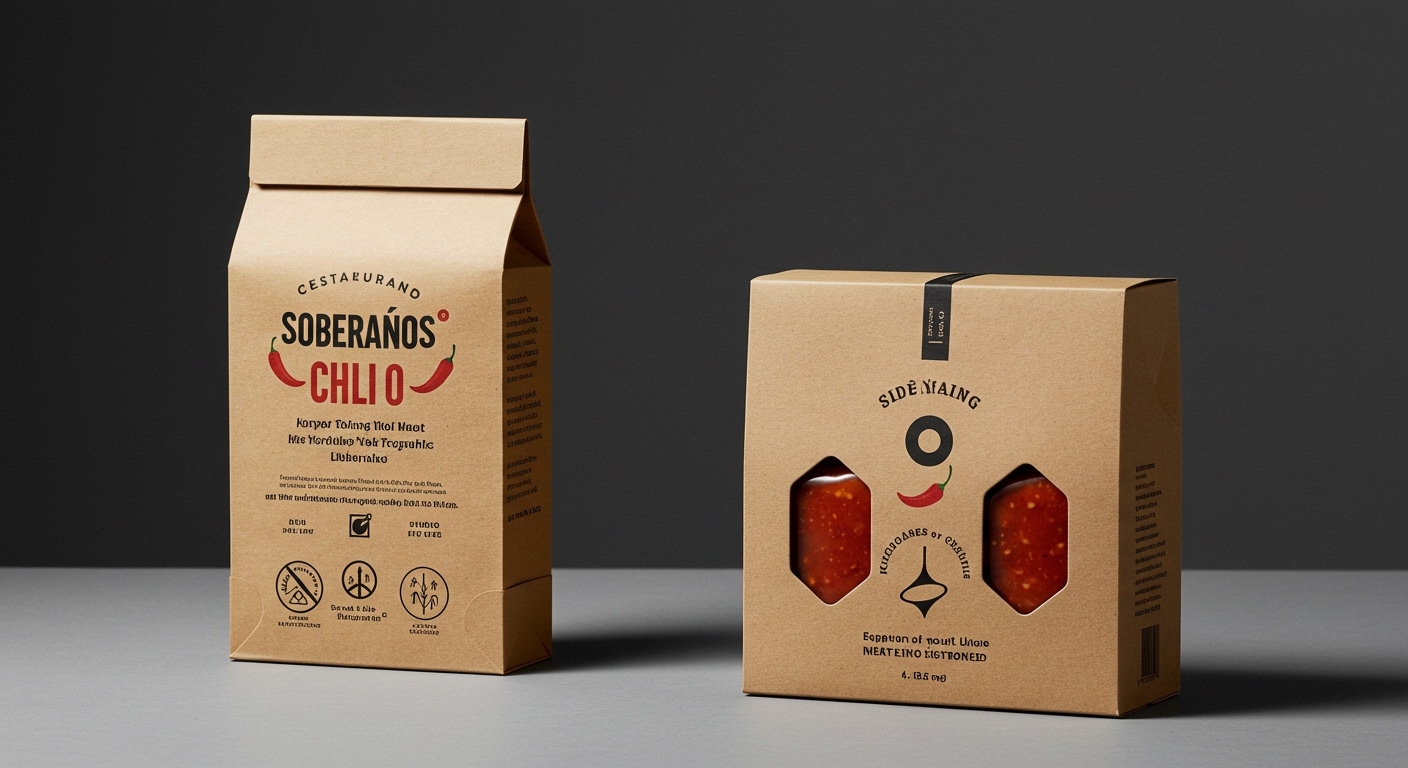
The Soberanos Chili Oil packaging exemplifies this strategy by using fiery red and yellow color blocking and typography that visually suggests intense heat. The “tattoo-style” linework hints at a rugged, authentic tactile quality, suggesting a handmade or artisanal origin, even if the primary consumer interaction remains visual. This type of branding seeks to bypass rational evaluation, instead cultivating an immediate emotional resonance that promises an intense, memorable product experience. The challenge lies in translating this visual promise into a genuinely satisfying, sustainable physical interaction.
A prevailing industry view often posits that such immersive brand experiences necessitate complex, multi-layered packaging solutions, frequently involving virgin materials or intricate assembly processes to achieve a “premium” feel. This overlooks the profound potential for truly sustainable materials to deliver sophisticated, impactful tactile experiences with a significantly reduced environmental footprint. The true value in elevating a brand experience lies not in the sheer quantity or complexity of materials, but in the intelligent application of unique texture, subtle weight, and ergonomic form. Packaging that is genuinely tactile, inviting touch through embossed patterns, debossed details, or naturally textured substrates, often creates a deeper, more memorable brand connection than visually arresting designs that feel generic to the hand. By early 2028, leading brands will increasingly be judged on the authenticity and sustainability of their physical brand touchpoints, pushing material suppliers to innovate and offer more diverse, sustainably sourced options with distinct haptic properties.
The persistent opposing force remains the perceived cost premium associated with novel sustainable materials and the specialized tooling required for advanced tactile features. Marketing departments frequently prioritize short-term visual virality and “Instagrammable” moments over the longer-term, more subtle benefits of truly sustainable and haptically rich design. Furthermore, existing supply chain infrastructures are deeply entrenched in conventional material production and processing, creating significant inertia against the rapid adoption and scaling of truly innovative, sustainable, and tactile alternatives.
Packaging professionals should integrate material prototyping and haptic testing into the design process much earlier, moving beyond solely visual 2D mock-ups and virtual renderings. For every new project, present three distinct material options: one conventional, one improved-sustainability, and one truly innovative and sustainably superior choice, even if it initially presents a perceived cost increase. Crucially, allow stakeholders to feel these options blindly, dissociating the tactile experience from preconceived visual biases or cost estimates. This shifts the conversation from abstract material specifications to tangible, consumer-centric experiences and encourages investment in true tactile branding.
TL;DR
Sustainable packaging design must prioritize authentic tactile experiences over superficial visual trends for lasting brand connection.
Curated References




About this editorial — This piece was developed using AI-assisted research and curation across multiple industry sources. All analysis, opinions, and predictions represent the editorial perspective of JHDD. Sources are linked in the references section above.