
JHDD Branding Report — 2026.07.16

Pentagram New York’s designs for Rugiet unabashedly embrace phallic imagery for a men’s health brand.
This directness signals a broader shift where brand identities are increasingly defined by confronting the core, sometimes uncomfortable, realities of their product or heritage. Rather than abstracting or sanitizing their essence for mass appeal, brands are finding strength in visceral honesty. Studio Blackburn’s work for Ellis Butchers, for instance, employs “raw-flesh-laden” visuals that do not shy away from the nature of a whole-carcass business. Similarly, JKR’s recent overhaul for football club Sporting CP deliberately plunders deep club heritage, eschewing generic sports aesthetics for something deeply rooted and specific. Even Lisa Cain’s observations on reusable packaging hint at a growing emphasis on practical, unvarnished solutions over purely aesthetic ones. These examples collectively demonstrate a market positioning strategy that prioritizes specific, grounded truths, even if provocative, over broadly palatable, generalized aesthetics.
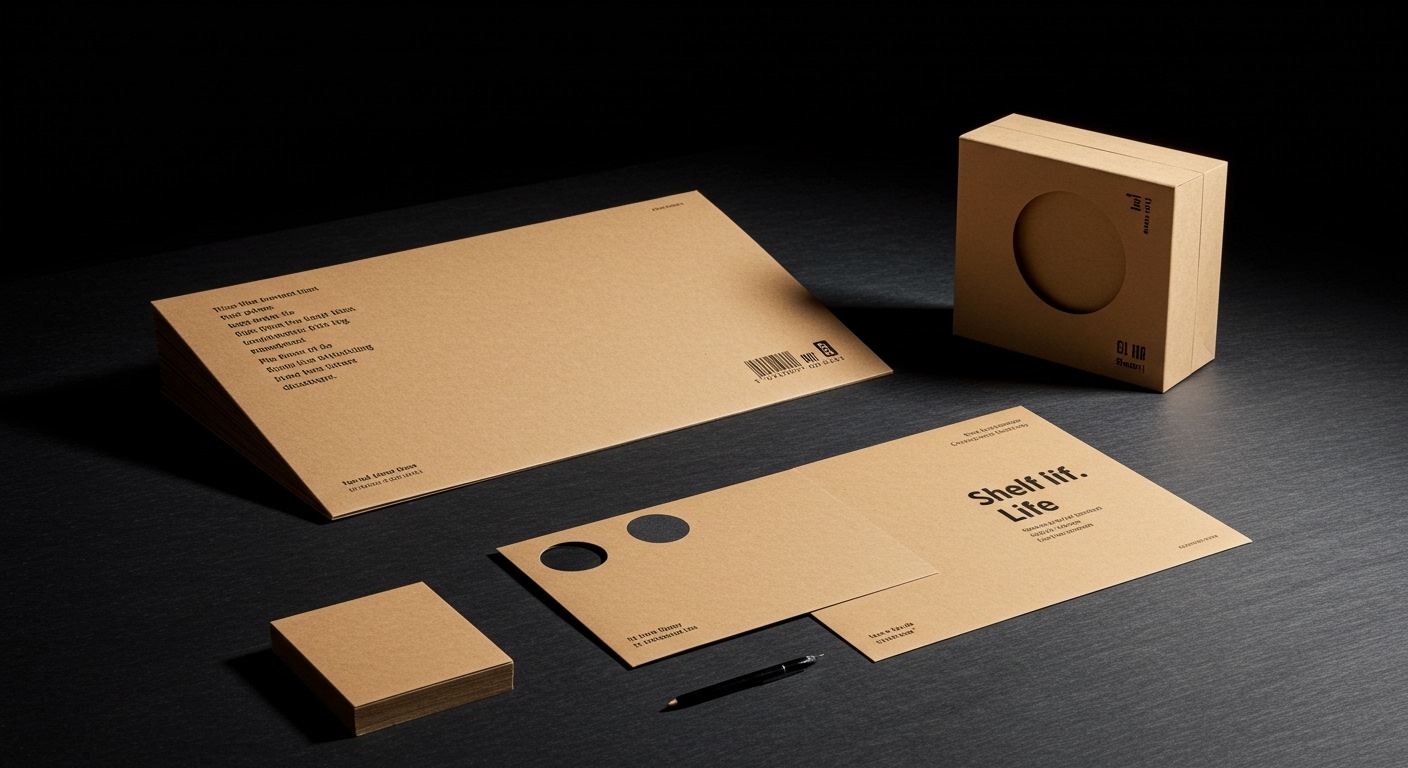
Studio Blackburn’s branding for Ellis Butchers stands as a potent case study for this evolving approach to visual identity. The identity for this “whole-carcass butcher business” uses “unflinching, raw-flesh-laden” imagery, directly presenting the product in its unvarnished form. This strategy fundamentally contradicts the prevailing industry opinion that visual identities must always soften edges or strive for universal aesthetic appeal to maximize market reach. Conventional wisdom often dictates that anything potentially confronting, like explicit raw meat visuals, should be minimized, stylized, or even entirely abstracted to avoid alienating sensitive segments of the audience.
However, Ellis Butchers’ success demonstrates that embracing such directness can cultivate a powerful, authentic connection with a targeted audience, building deep brand equity. It signals confidence and transparency, appealing to consumers who increasingly value honesty and specificity over idealized, generic representations. This approach prioritizes resonant specificity over broad, diluted palatability, fostering a stronger, more enduring cultural signal within its niche. By early 2028, brand consultancies will increasingly dedicate specialist teams to “truth validation” sprints, challenging clients to identify and visually express their most unvarnished product or service realities, moving beyond mere narrative storytelling into explicit visual declarations that reshape market positioning.
The primary resistance to this trend comes from multinational consumer packaged goods corporations. These entities, often serving highly diverse global markets, are culturally conditioned to pursue broadly inoffensive, universally understood visual codes. Their extensive distribution networks and quarterly earnings demands often necessitate a lowest-common-denominator approach to brand expression, avoiding any specificity that might risk alienating a significant segment of their vast customer base.
Branding professionals should immediately begin conducting “contextual provocateur audits” for their clients. This involves a deliberate process of identifying the most distinctive, potentially challenging, or unglamorous aspect of a client’s offering or heritage. Instead of seeking to dilute or conceal these elements, strategists should explore how they can be integrated directly and unapologetically into the visual identity system, messaging, and overall brand experience. The objective is to identify and strategically weaponize what others might traditionally consider a brand “flaw,” a niche attribute, or a difficult truth, transforming it into a unique, equity-building cultural signal that differentiates the brand unequivocally.
TL;DR
Brands are increasingly building equity by embracing raw, unapologetic truths about their offerings, rather than sanitizing them.
Curated References





About this editorial — This piece was developed using AI-assisted research and curation across multiple industry sources. All analysis, opinions, and predictions represent the editorial perspective of JHDD. Sources are linked in the references section above.