JHDD Architecture Report — 2026.07.14
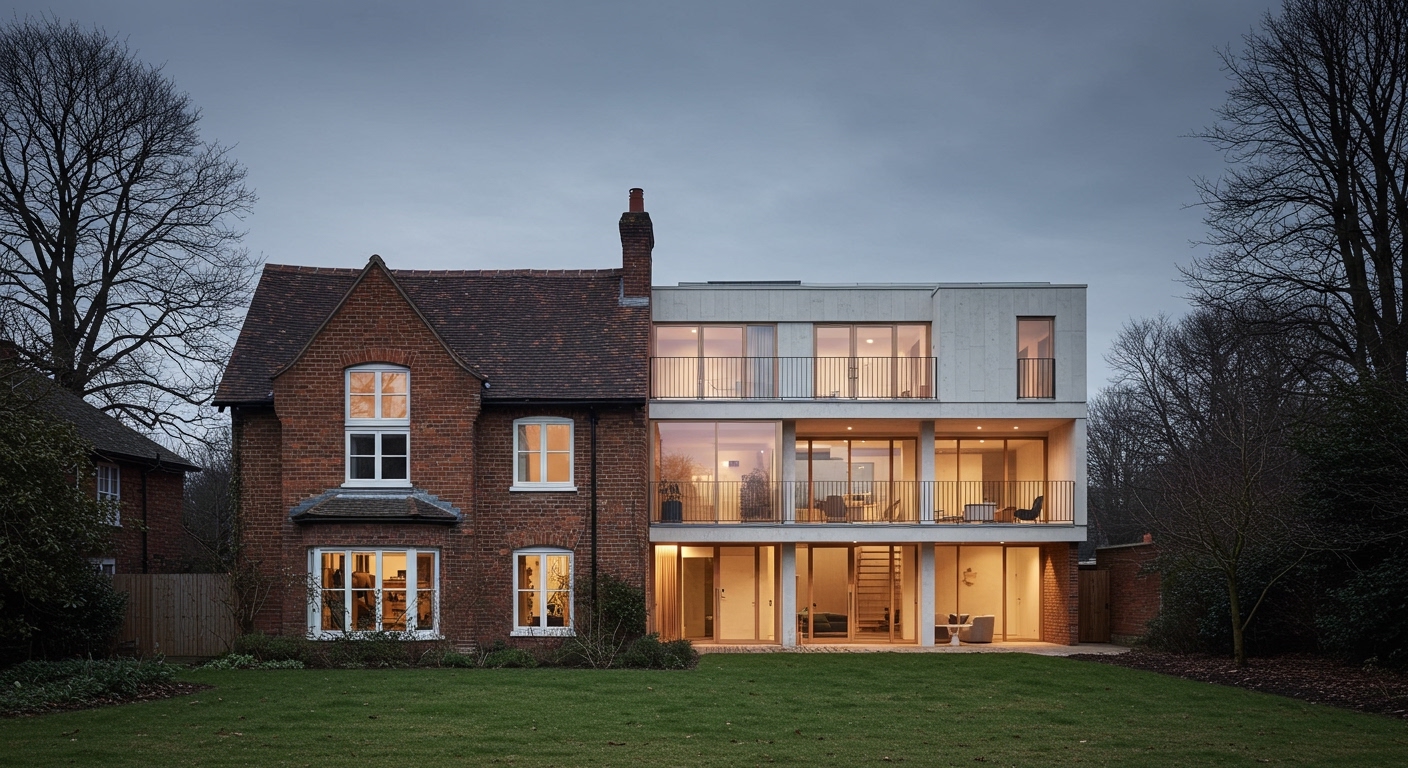
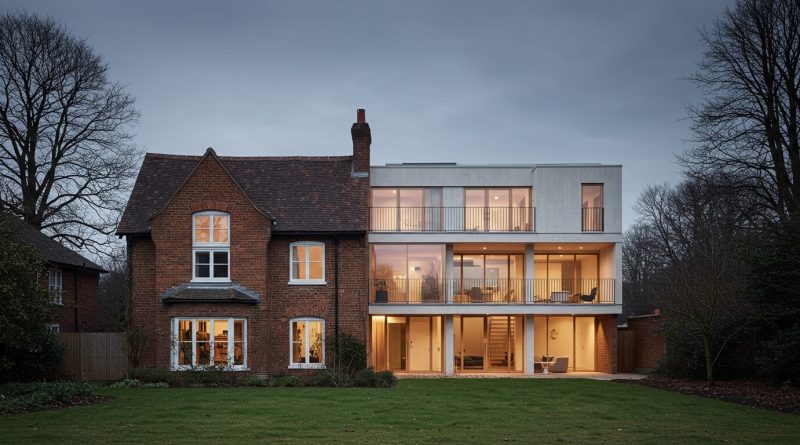
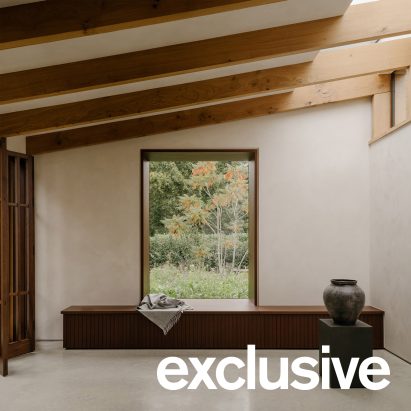
Will Gamble Architects’ Muttram Veedu project in Northwood connects old and new parts of a Grade-II listed cottage with a timber-framed glazed link.
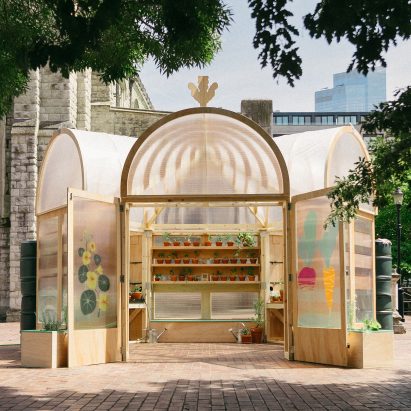
This detail, alongside the Barbican’s Veggery greenhouse and Viktoria House in Vals, points to an emerging pattern of architectural responsibility rooted in material and site specificity. These projects demonstrate a commitment to local integration and a conscious restraint in formal expression, contrasting sharply with the pursuit of global architectural spectacle. The underlying thread is a return to architecture as a precise response to immediate conditions, not a universal statement.
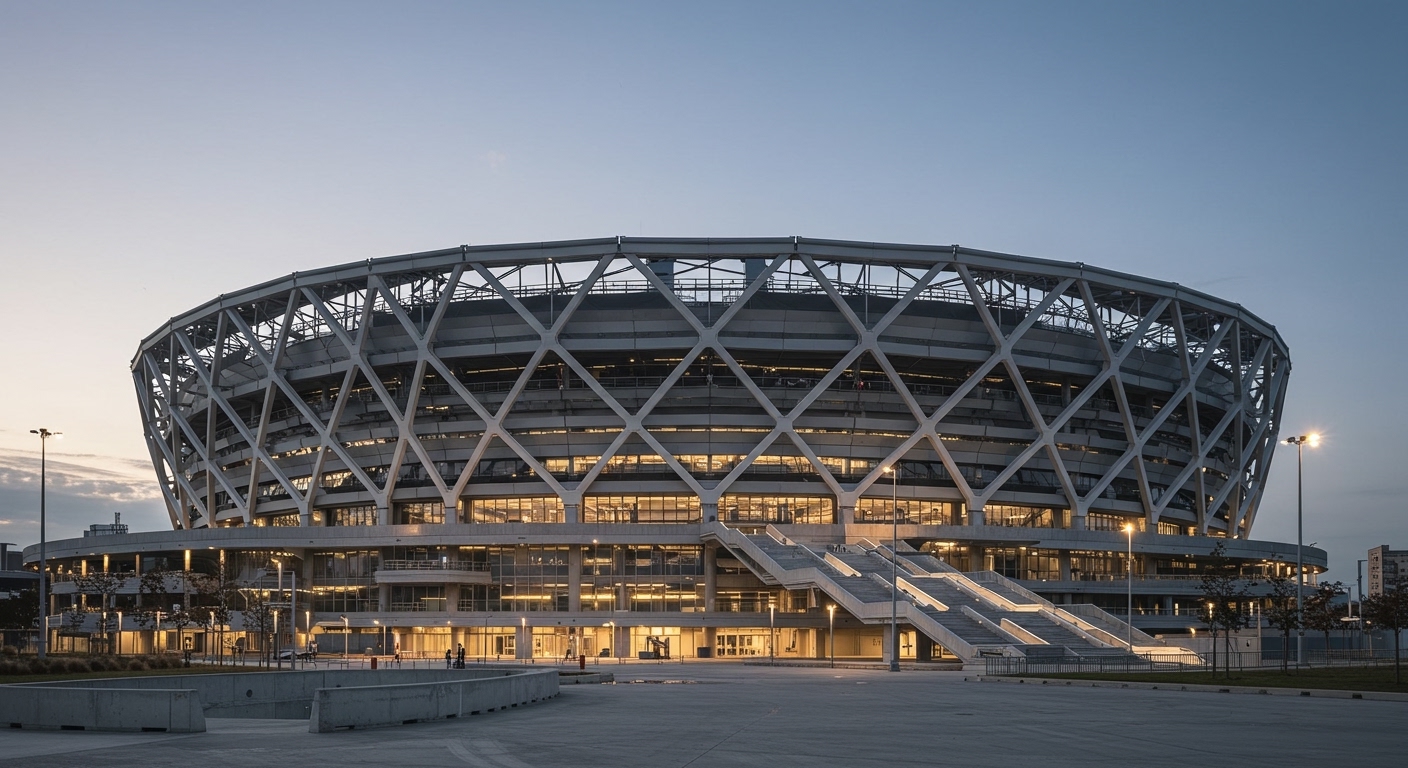
The work of Will Gamble Architects on Muttram Veedu exemplifies this direction through its use of a timber-framed glazed link and courtyard garden, referencing traditional Sri Lankan houses. While the industry frequently celebrates large-scale, “distinctive year-round landmarks” like Foster + Partners’ Manchester United stadium, claiming they rewrite the playbook, this focus often misinterprets true architectural progress. The mainstream view prioritizes novelty and visual impact to ensure economic viability beyond match days, seeing it as urban regeneration. However, this approach often overlooks the profound environmental and social cost of massive, resource-intensive construction projects that impose a singular vision on an urban fabric rather than growing from it. These structures, while impressive in scale, contribute disproportionately to carbon footprints and often fail to integrate meaningfully into their broader urban or environmental contexts over the long term, serving primarily as consumption magnets rather than truly sustainable community assets.
Instead, a more significant architectural advance lies in the subtle integration and material honesty demonstrated by projects such as Muttram Veedu. This project, which meticulously extends an existing structure with locally sympathetic materials and design principles, represents a deeper form of urban responsibility. It prioritizes longevity, contextual harmony, and a reduced environmental footprint over monumentalism. By mid-2027, the industry will see a noticeable shift in institutional funding and public discourse towards projects that champion adaptive reuse and local material economies, moving beyond the superficial allure of large-scale “entertainment architecture.” This shift will acknowledge that true innovation often manifests as sensitivity and restraint.
The primary opposing force to this integrated, responsible approach is the entrenched economic model of large-scale development, driven by global capital and the demand for high-profile, “iconic” structures that attract investment and tourism. This model is evident in the intensifying construction of “future stadiums” that are primarily geared towards entertainment and global recognition, often prioritizing speed and spectacle over site-specific ecological or social integration.
A working Architecture professional should, this week, audit their current material specification practices to prioritize regionally sourced, low-embodied carbon timber or other bio-based materials over standard concrete and steel where feasible, particularly for structural components and envelopes. This includes engaging with local suppliers and craftspeople earlier in the design process to understand material availability and construction methods specific to their project’s geographic context.
TL;DR
Architectural progress is measured by material honesty and local integration, not monumental scale or spectacle.
Curated References

About this editorial — This piece was developed using AI-assisted research and curation across multiple industry sources. All analysis, opinions, and predictions represent the editorial perspective of JHDD. Sources are linked in the references section above.